
I’ve always had a strong attraction to Scotland and in general to moors, castles, legends and mystery. I think that by now through my books and my blog you’ve gotten to know me 😊 I’ve traveled Scotland far and wide – four times the Highlands twice the Lowlands – although this hasn’t inhibited my desire to return whenever I can, and as I always do, I’ve tried to combine my passion for art and literature with history and film sets 🎬. Museums, festivals 🎷🎵📚- from Fringe to the Book, Jazz, and Sci-fi festivals – and a couple of distilleries 🍺🥃are a must. But let’s start with some practical information 😎.
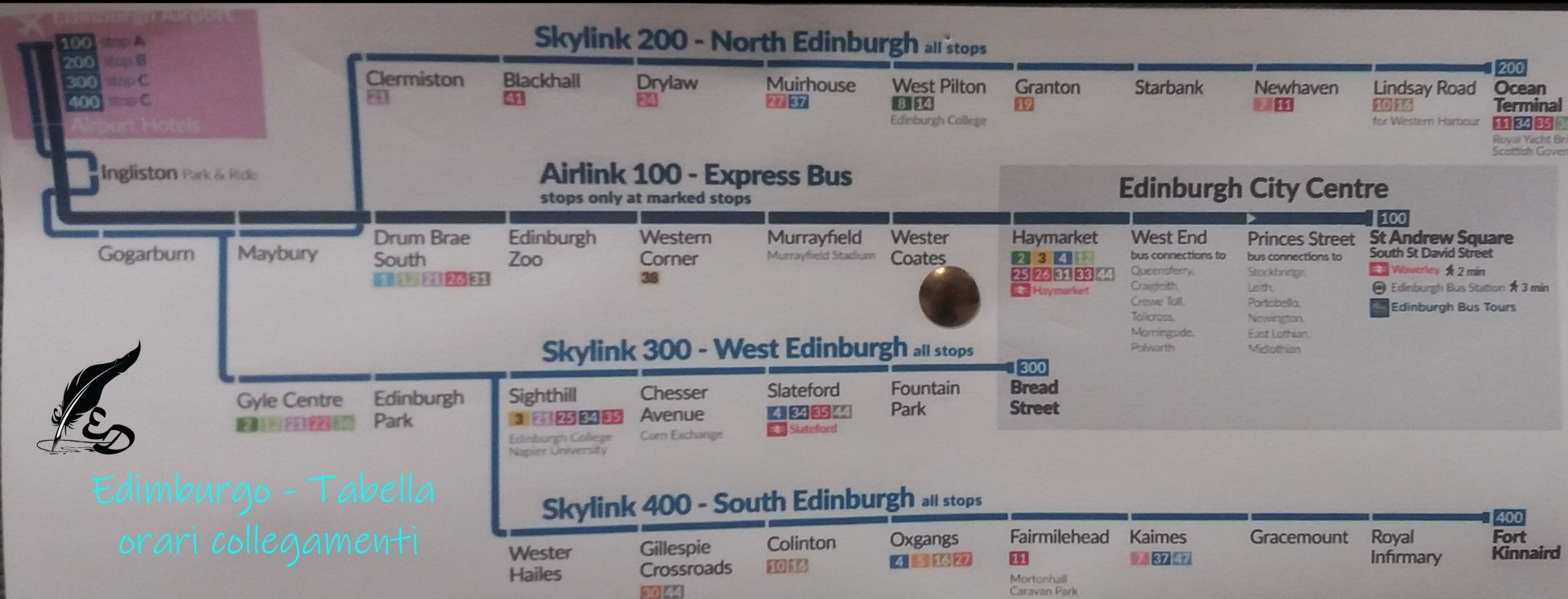
Currency: pound, sterling. Plugs: Type G, from Italy you’ll need an adapter. How to get from the airport to Edinburgh city center? Airlink bus 100. It runs approximately every 10 minutes and costs 6 pounds or 8 pounds for a return ticket (check prices first). It makes just a few stops and in less than half an hour, it drops you off in the heart of the old town. The last stop is Waverley Bridge station—between the Royal Mile and Princess Street -passing by the Zoo, the West End, and the Haymarket. Payment by card or cash, USB ports for charging. If you’re coming from other Scottish cities or from London instead, there are numerous connections. If you’re looking for train travel ideas, check out the various options on the official website, Scotland’s Magnificent Rail Journeys. Wi-Fi: You can access free Wi-Fi in the city center by registering your email address.
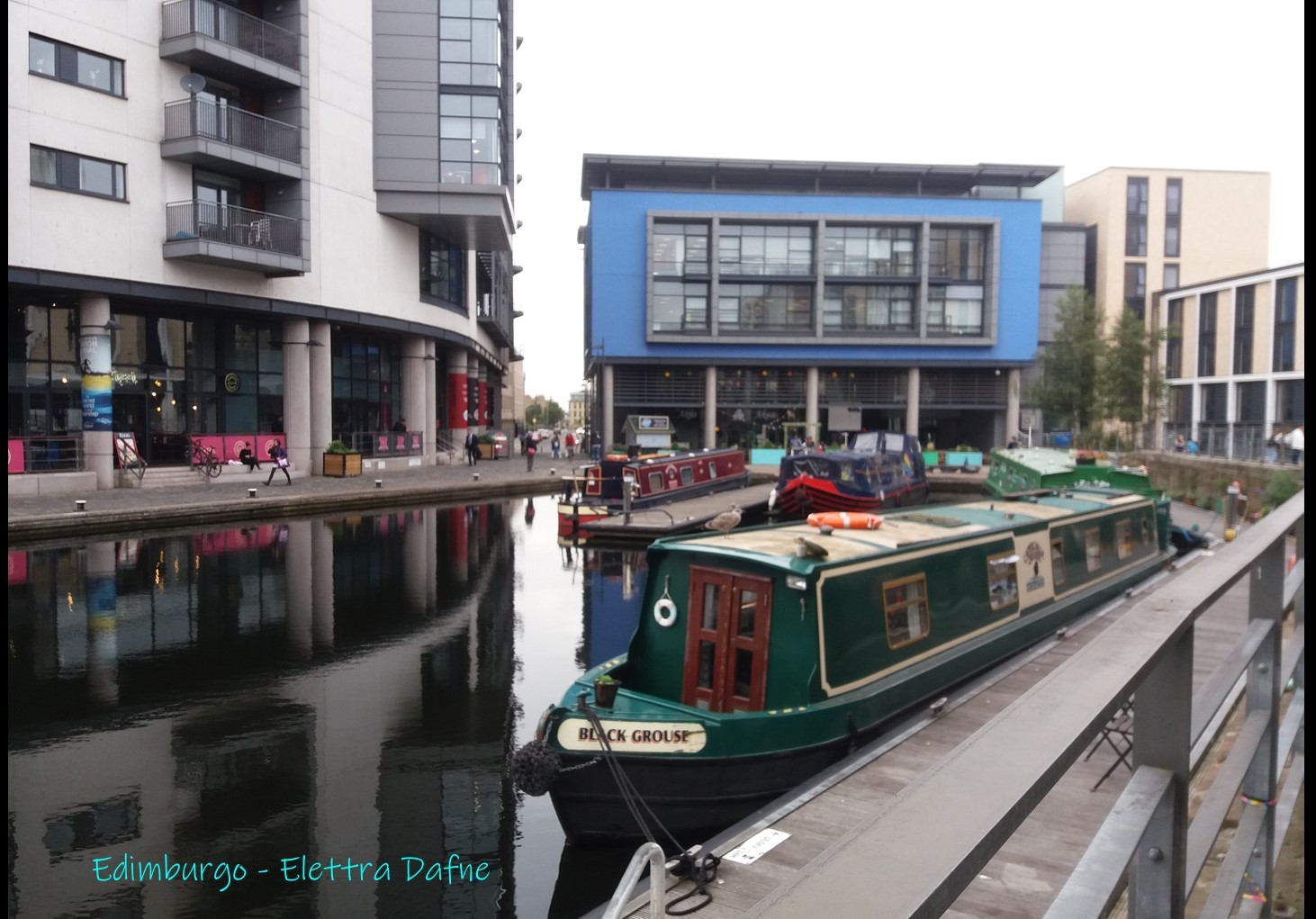
Accommodation: In addition to hotels and hostels, I’ve stayed a couple of times in student accommodations in the summer (e.g., Yugo Canal Point, 22 West Tollcross). Comfortable, with security and access badges to move from one area to another, en-suite bathrooms, and a shared dining area, they’re often located near cafes where you can find very reasonable prices.
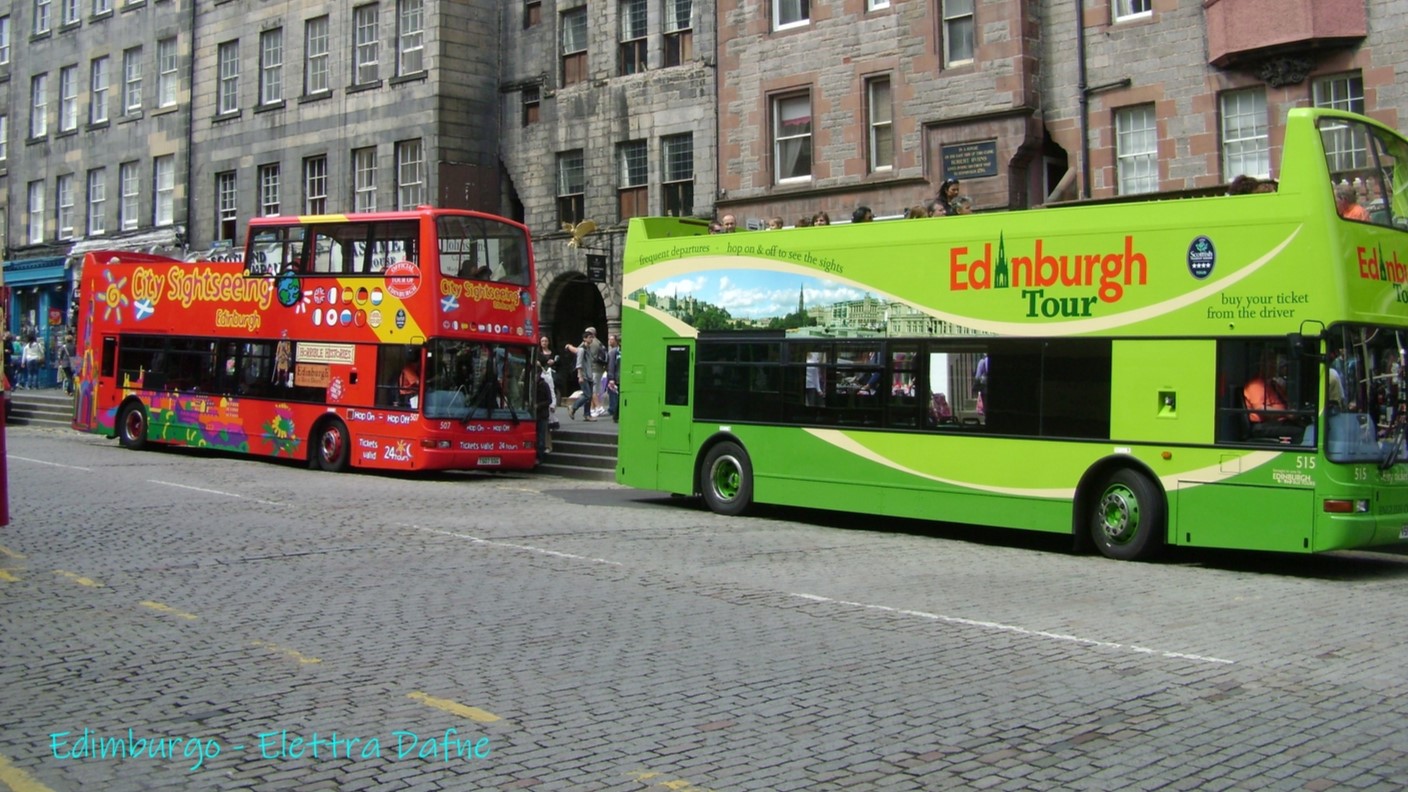
Climate 🌂⛈🌦☂🌤☀🌞 Be prepared for rain even in summer, and don’t be surprised if it repeatedly plays hide-and-seek with the sun during the day! The weather in Scotland changes frequently. 😋 Taxis: accessible for short trips (always check fare updates). Buses: connect the entire city and are frequent, but be careful, prepare the exact amount to give to the driver; otherwise, you can pay with a contactless card or use the app. More on lothianbuses.com


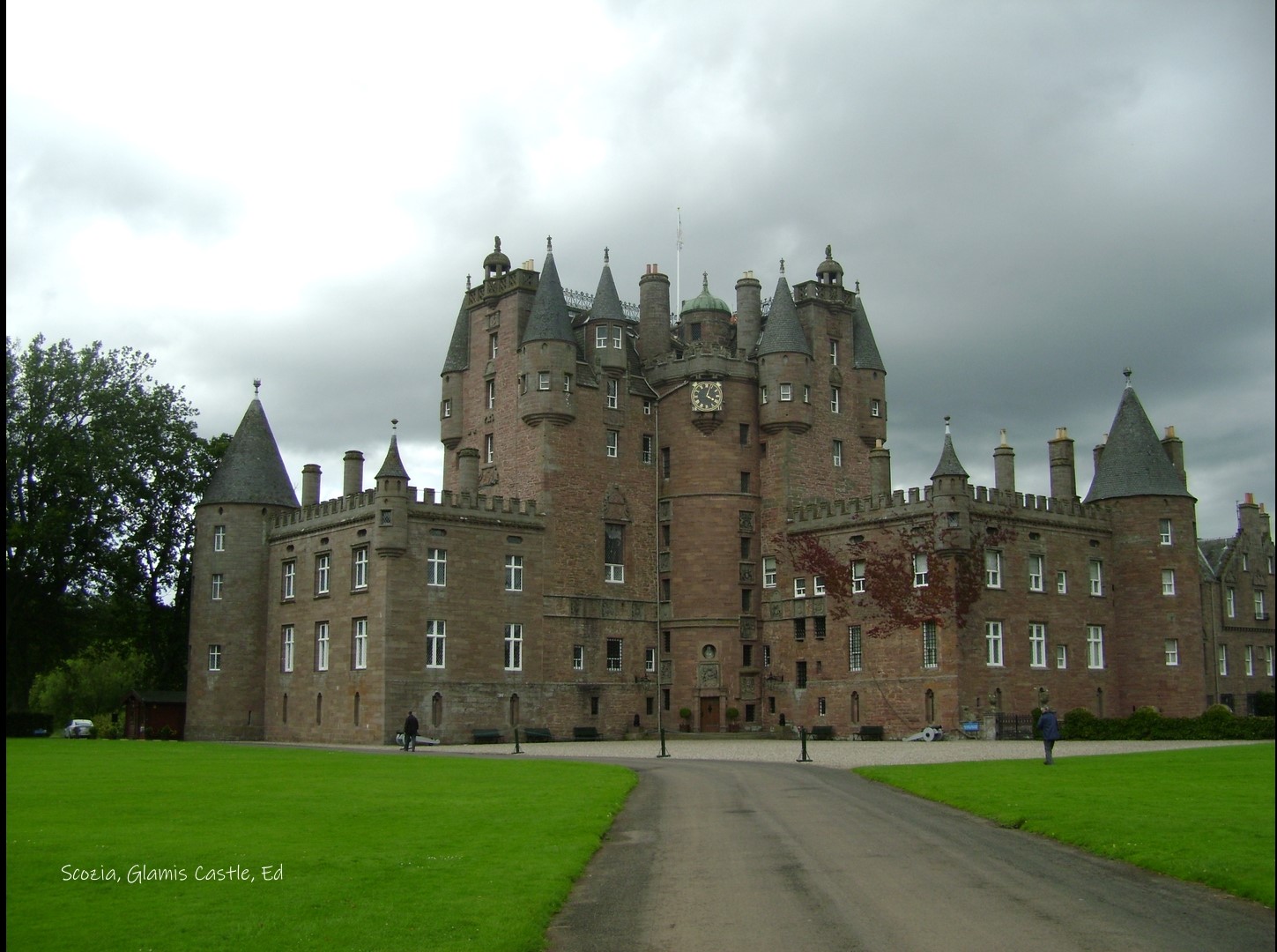
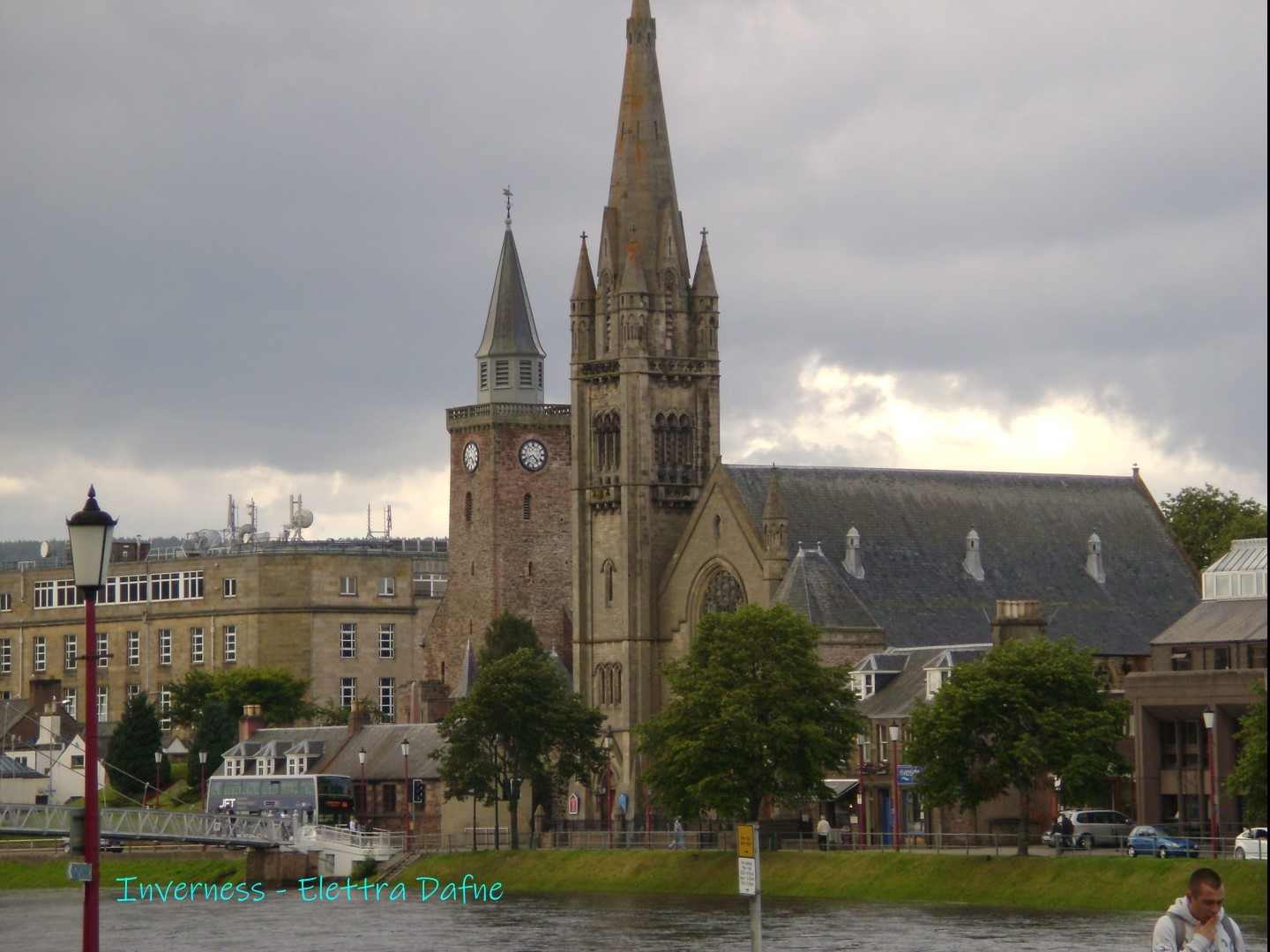
Today, we are increasingly assisted by technology, but as I always say, don’t underestimate a good map and a visit to the Tourist Office for last-minute discounts and news. I’ve arrived in Scotland in several ways; the first time, in 2011, was on an escorted tour. I flew to Glasgow from Rome to join the group, and returned by plane from Edinburgh. The tour included Glasgow, Inveraray, the Vale of Glancoe, Lochness, Urquart, Inverness, Blair, Pitlochry Distillery, Glamis, Dundee, Scone, and Edinburgh. A couple of times, I took return flights to and from Edinburgh and from there traveled independently by train and coaches. Another time, I arrived by train from London and then returned to London by train. Since I also returned to revisit some places, I’d say I’d proceed by broad themes rather than individual itineraries.

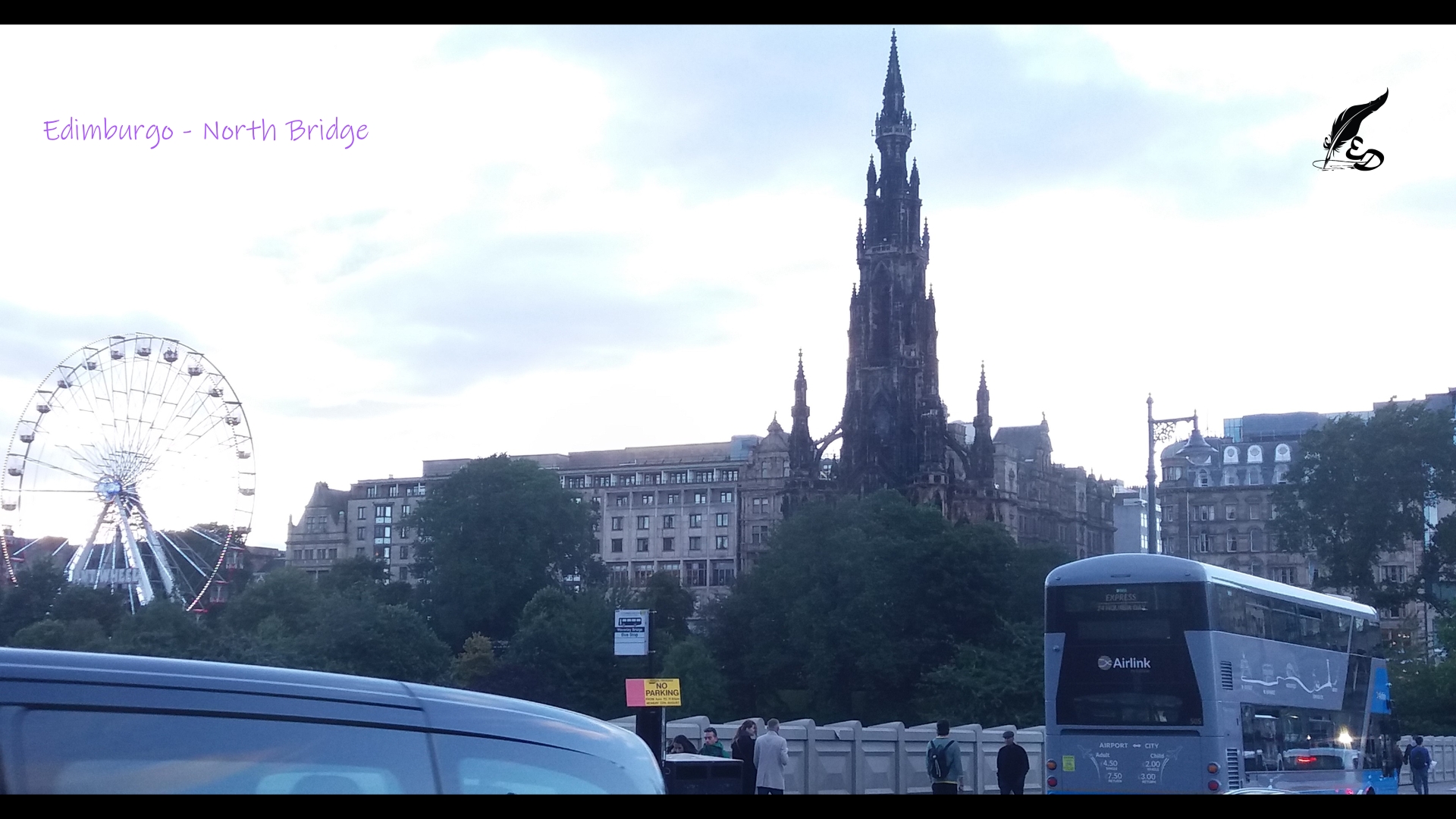
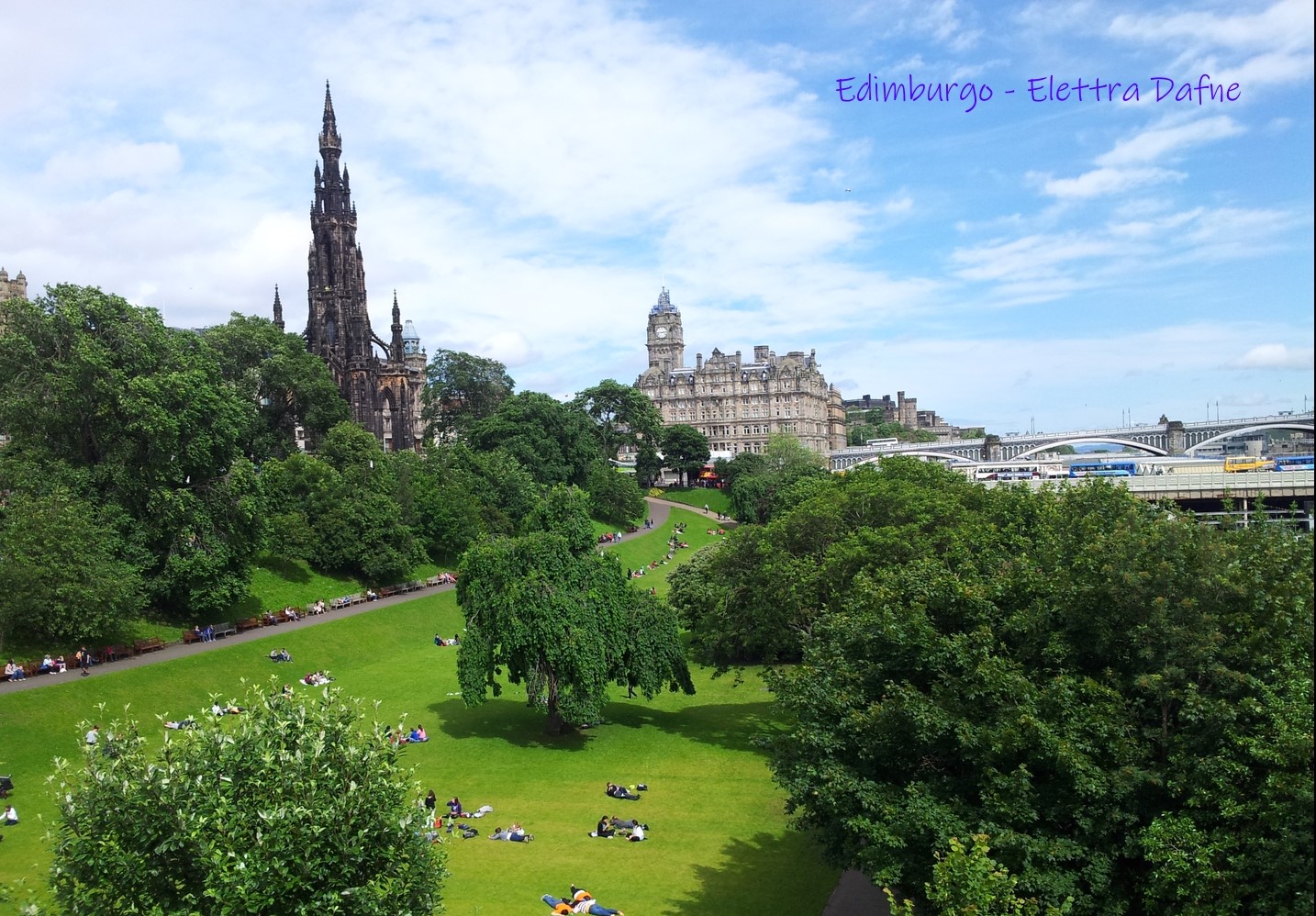
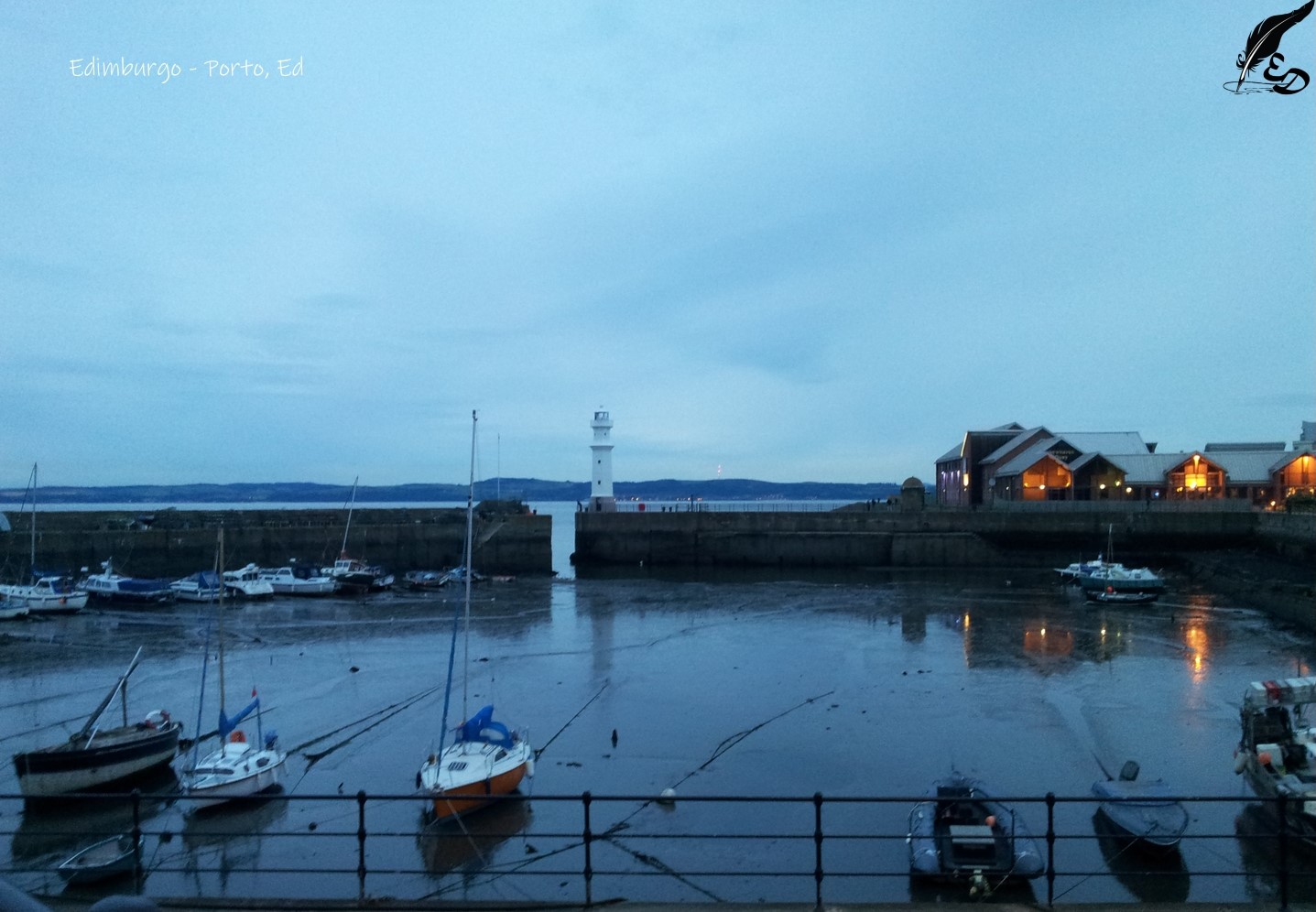
Let’s start with Edinburgh. Scotland’s magnificent capital, brimming with unique views and incredible buildings, Edinburgh is a constantly bustling and decidedly livable city, a bit like London. We’re talking about the Old Town, with its evocative medieval flavor, and the New Town, with its neoclassical style. The streets we’ll be using as our reference points are the Royal Mile, which runs from the Castle to Holyrood Palace, and Princess Street (which cuts through the city center, dividing it into two areas), packed with important cultural sites and shops; two significant streets connected by the North Bridge. You won’t fail to notice—in addition to the kindness of the Scots—the cleanliness and attention to detail with which everything is maintained. Below are some images of the city.
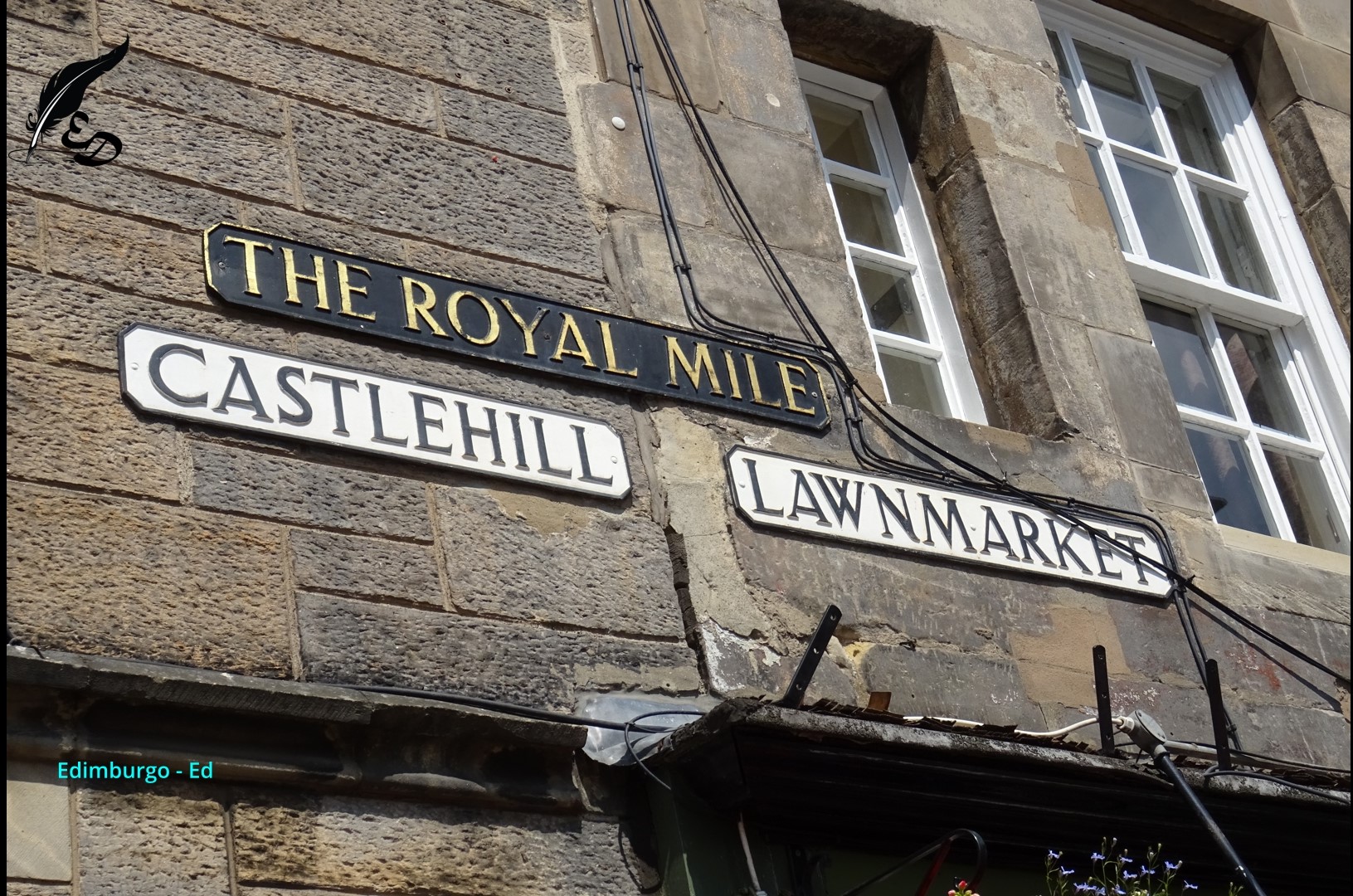
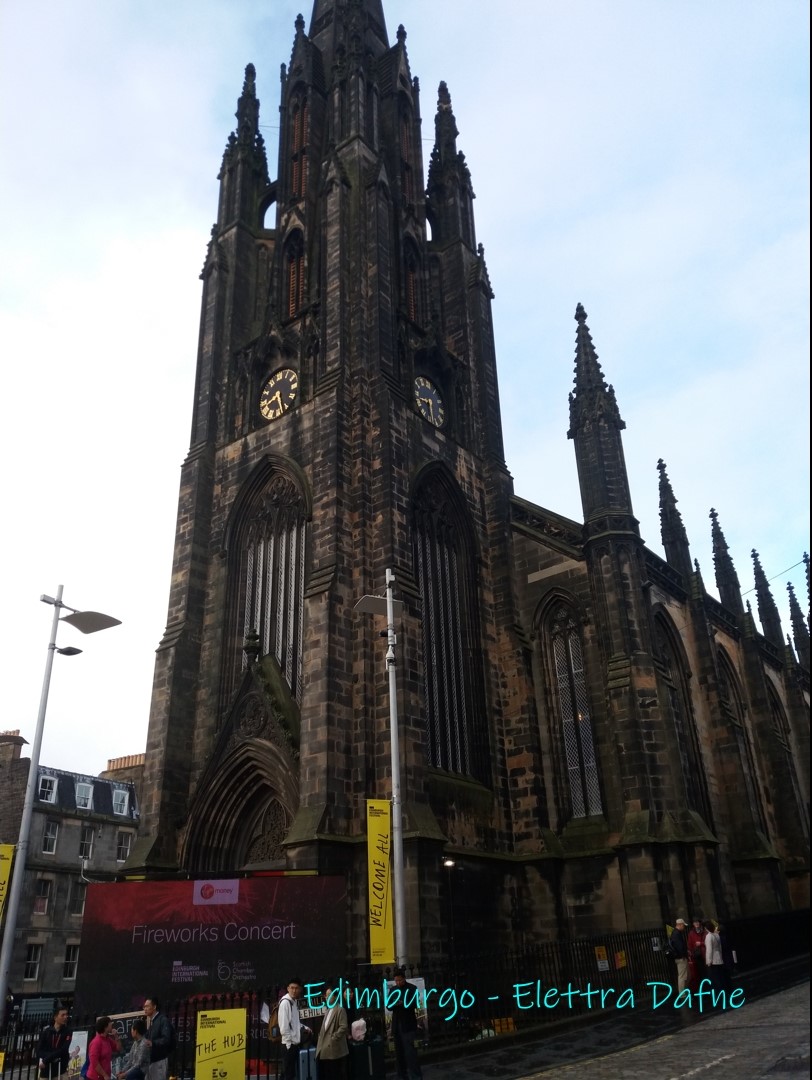
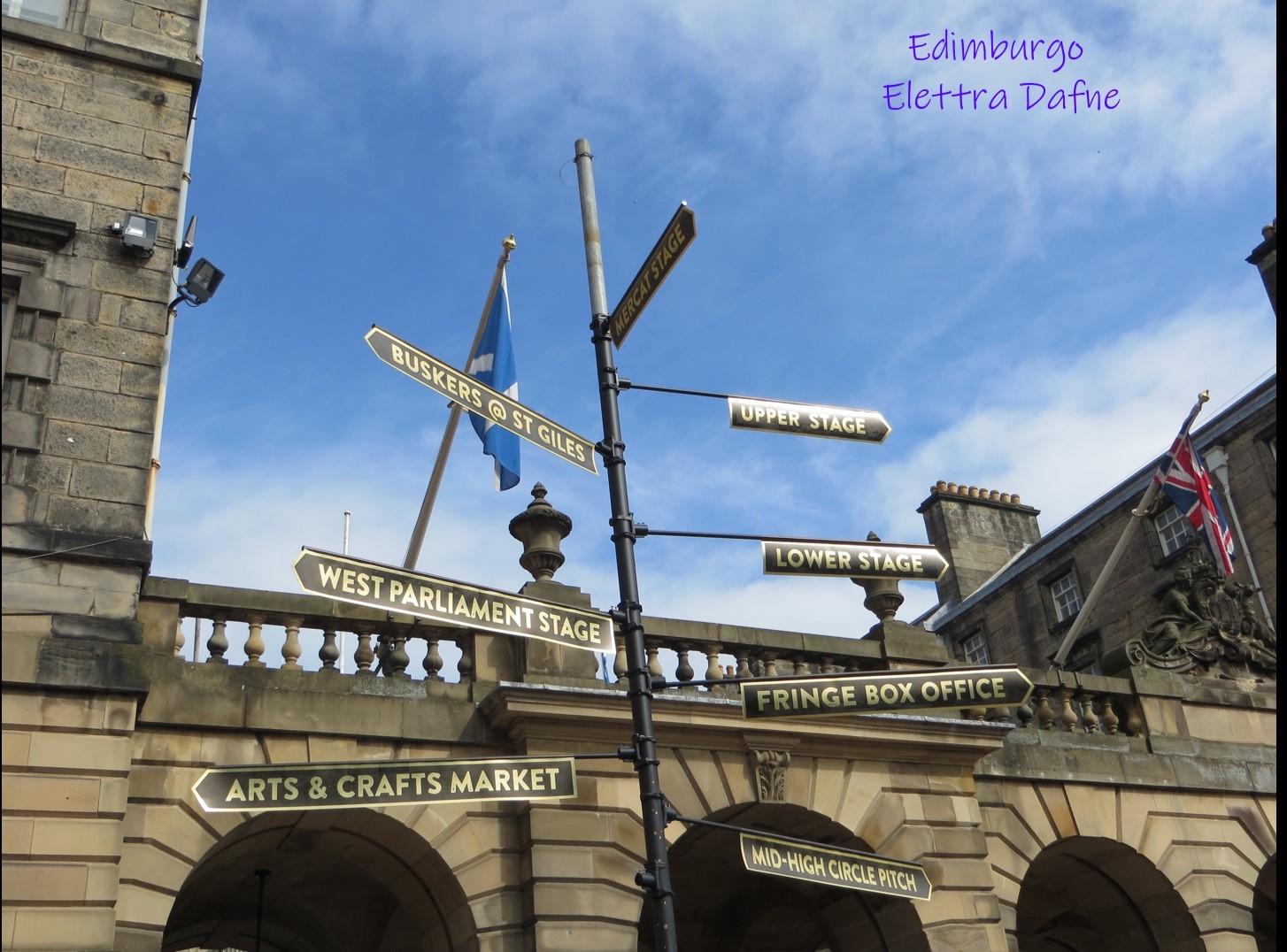
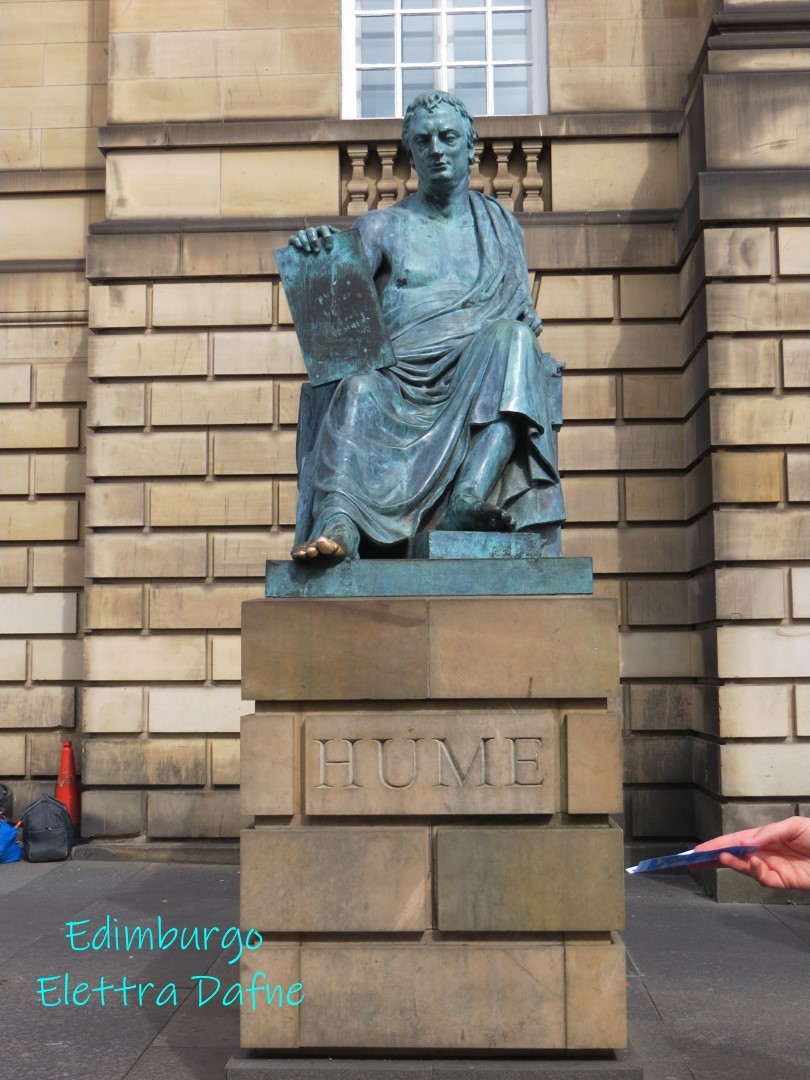
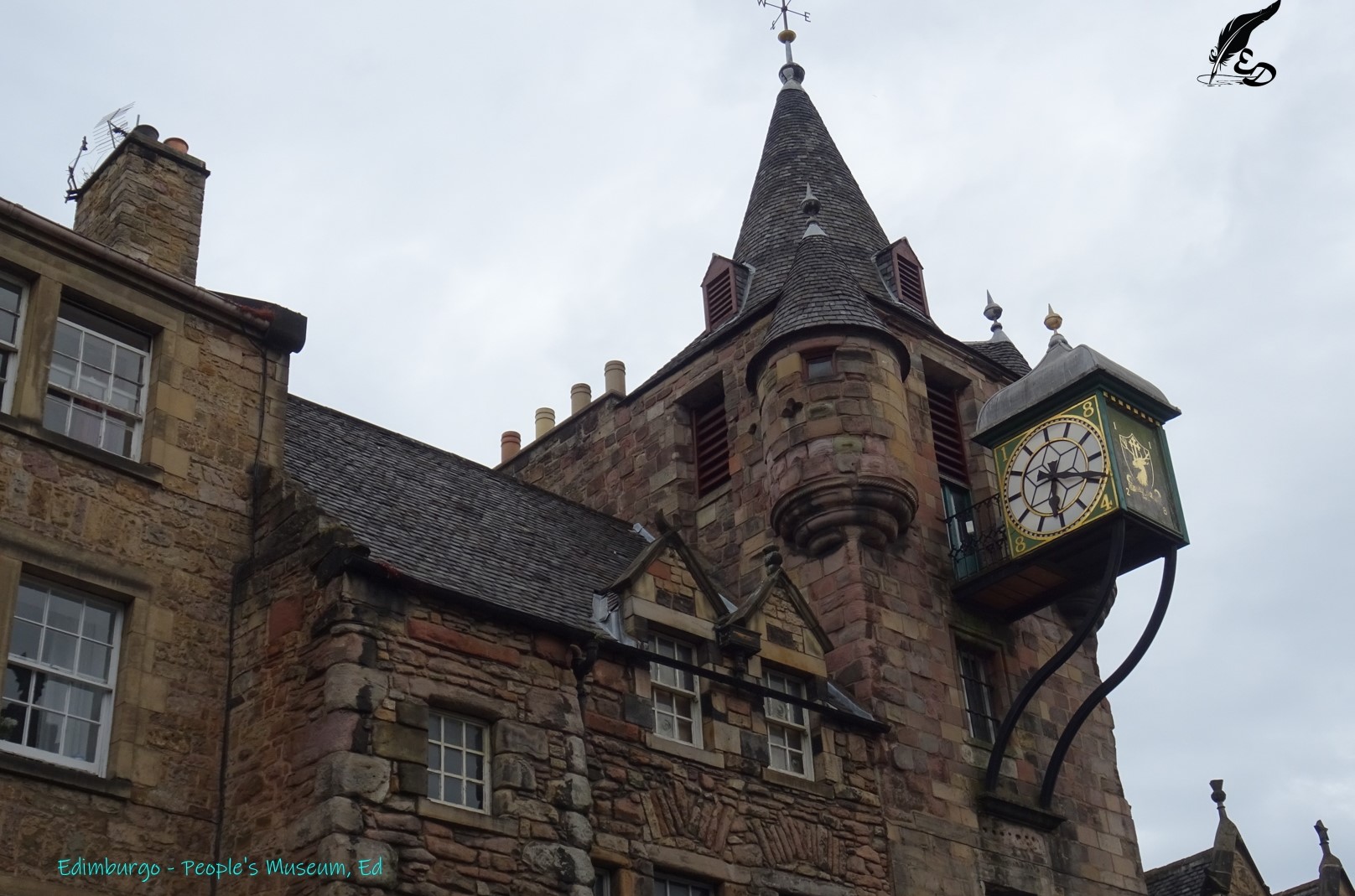
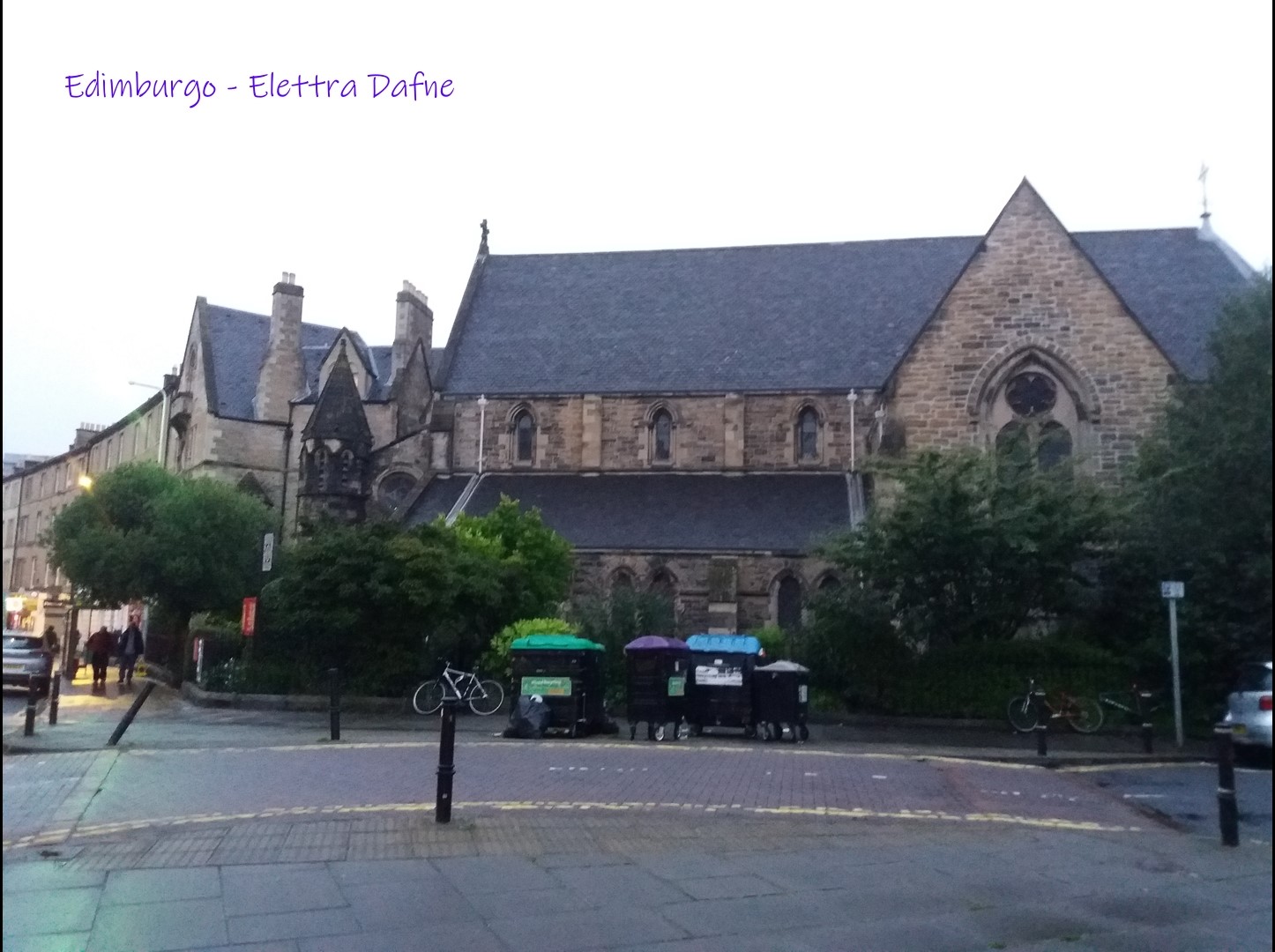
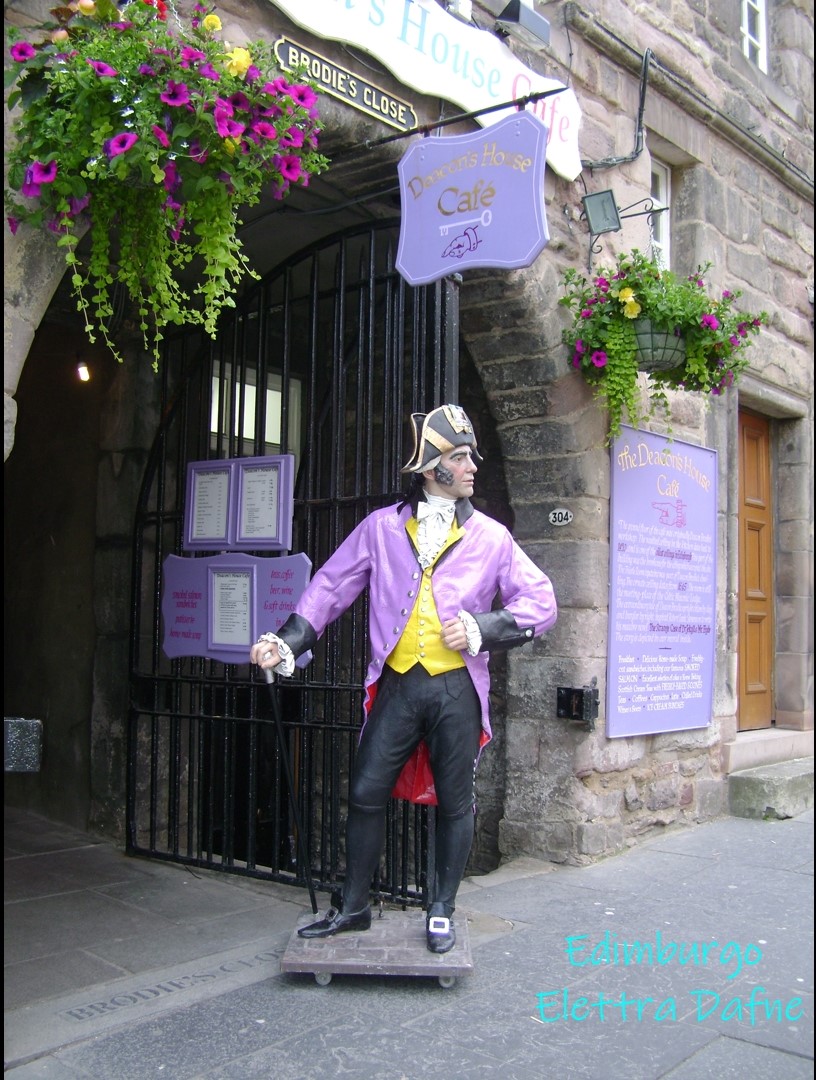
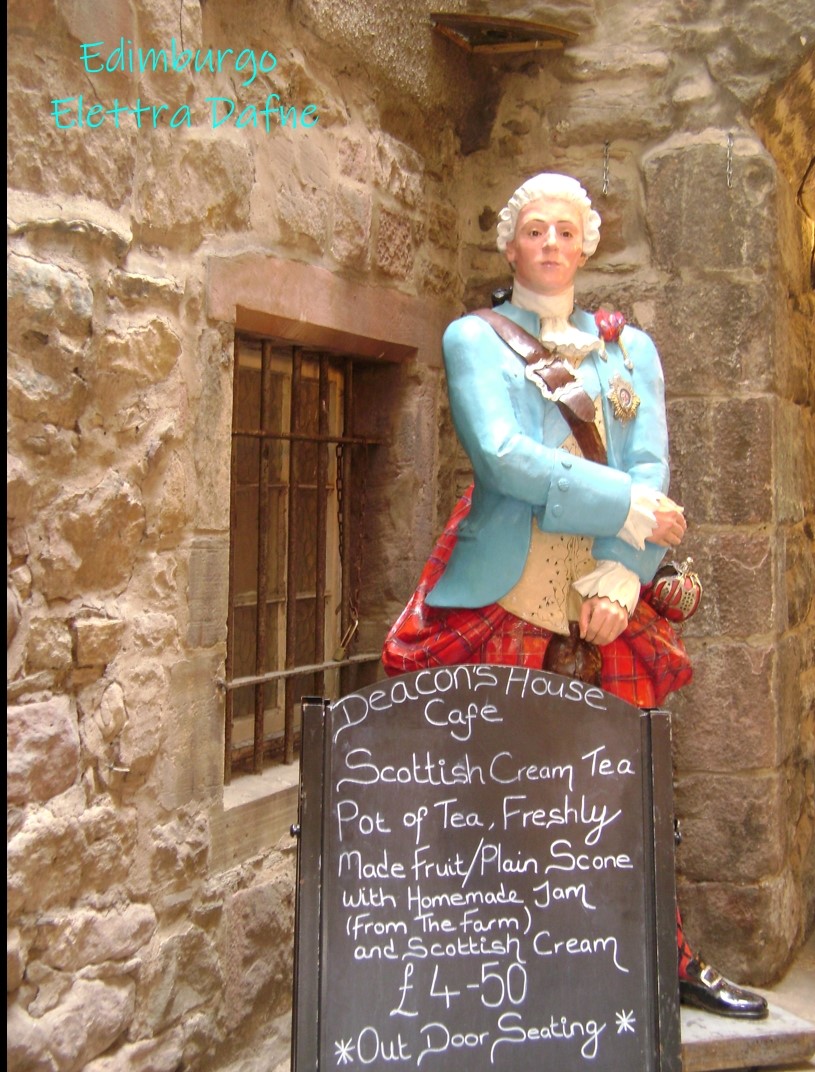
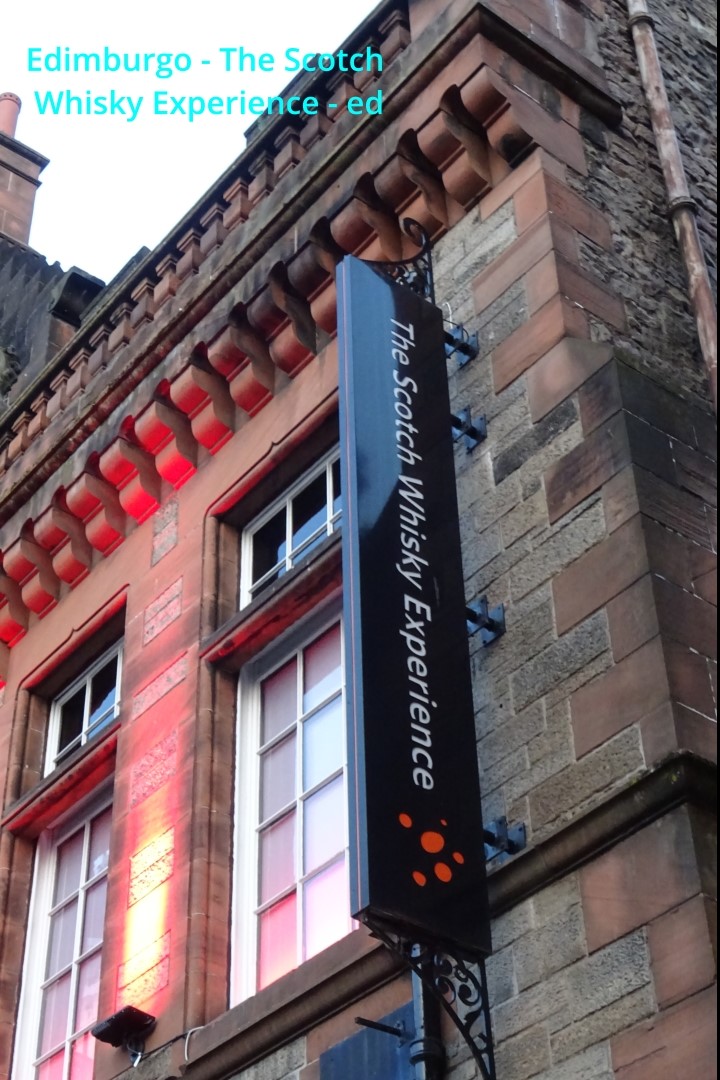
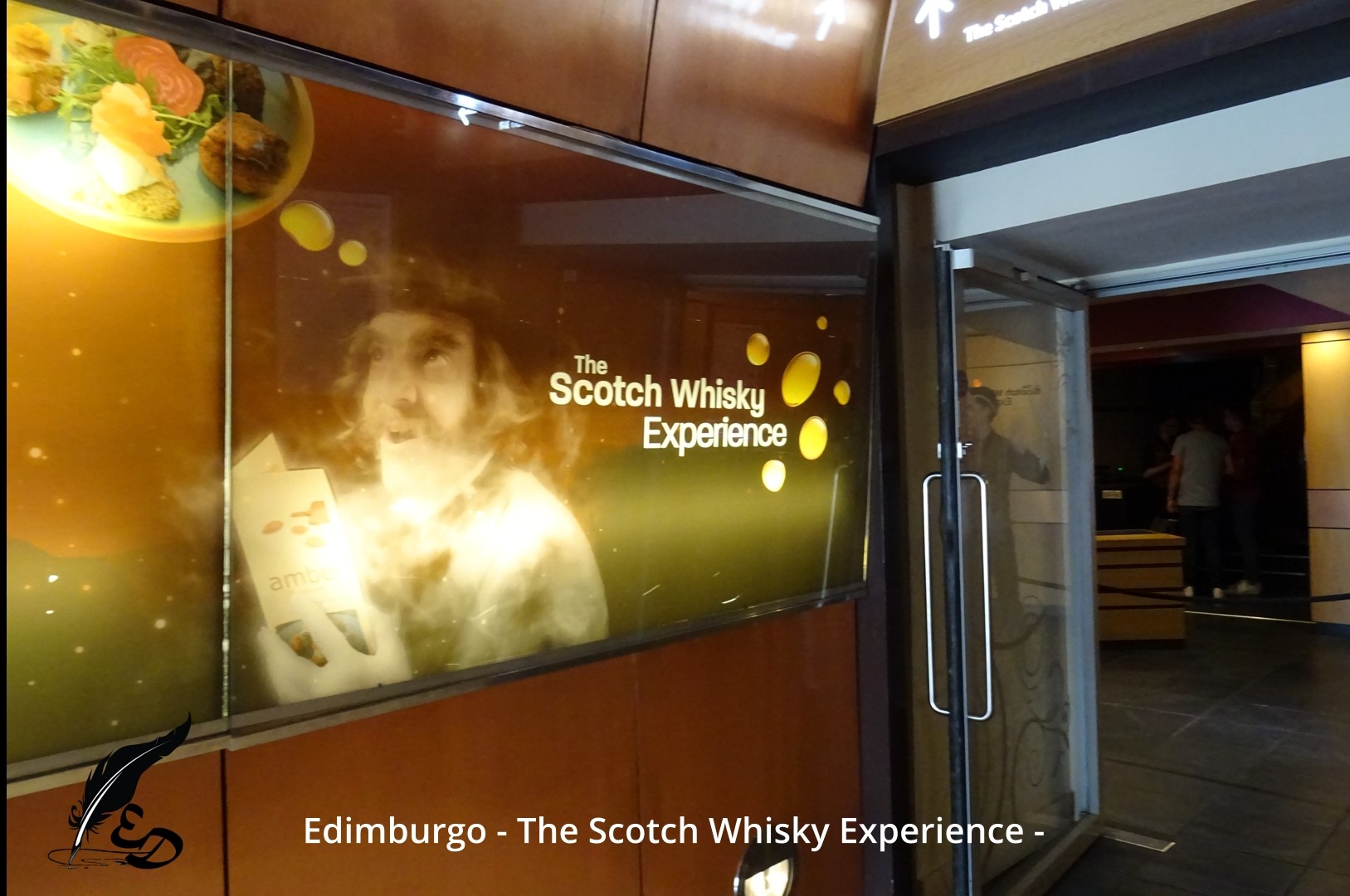
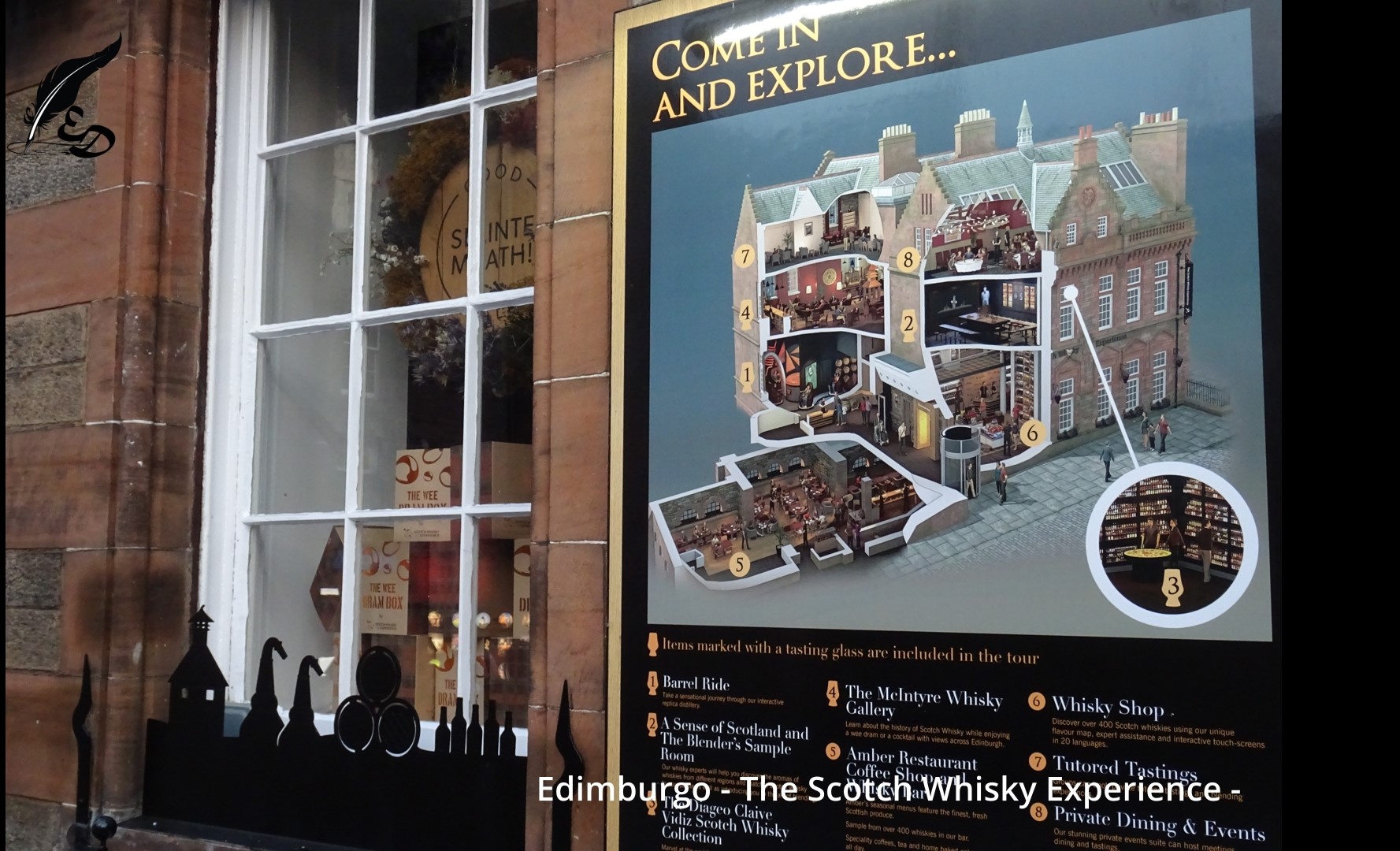
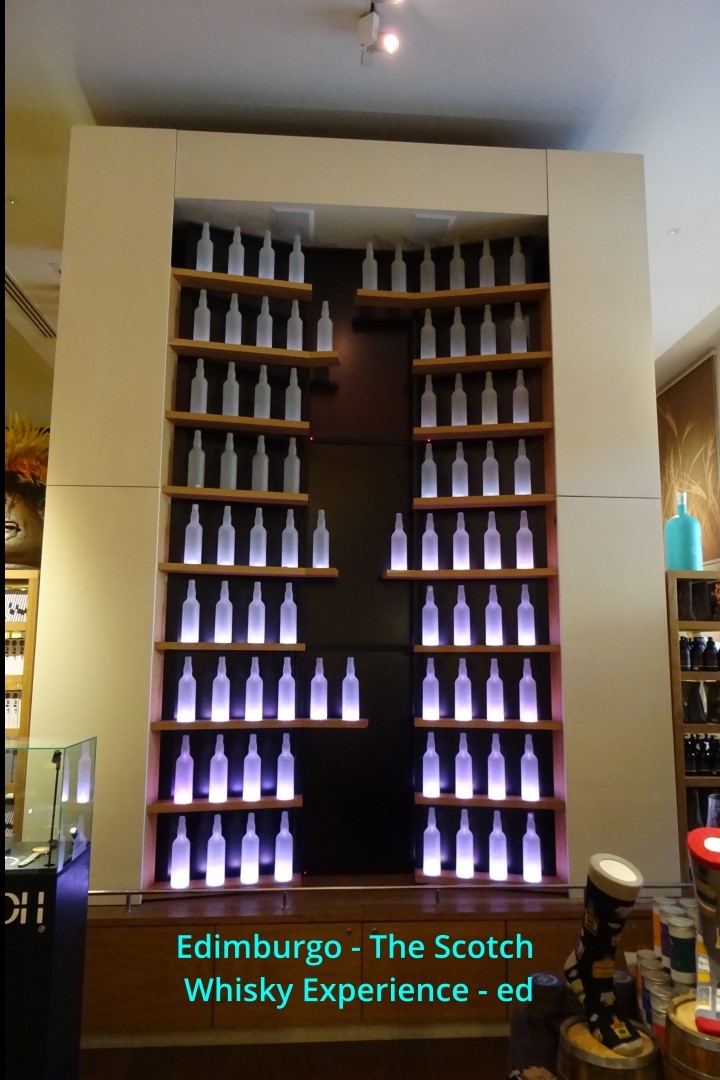
Old Town: Leaving the Castle behind, we begin our journey along the 1.8 km Royal Mile. In order of appearance, so to speak, we’ll find the Castle Hill area where the Castle stands (more on that later), The Scotch Whisky Experience, Camera Obscura, and World of Illusions; the home of the Edinburgh International Festival—inside the former Church of Scotland (see photo above right), a splendid Gothic building just meters from the Castle; the Writer’s Museum; St. Giles’ Cathedral; and the real Mary King’s Close (see video and photos below). From here, a short detour leads to the Edinburgh Dungeon. If we stay on the Royal Mile – which at a certain point becomes High Street—on the left is the North Bridge, which, in addition to connecting the Old Town with the New Town, takes us to Waverley Station and the Tourist Office.
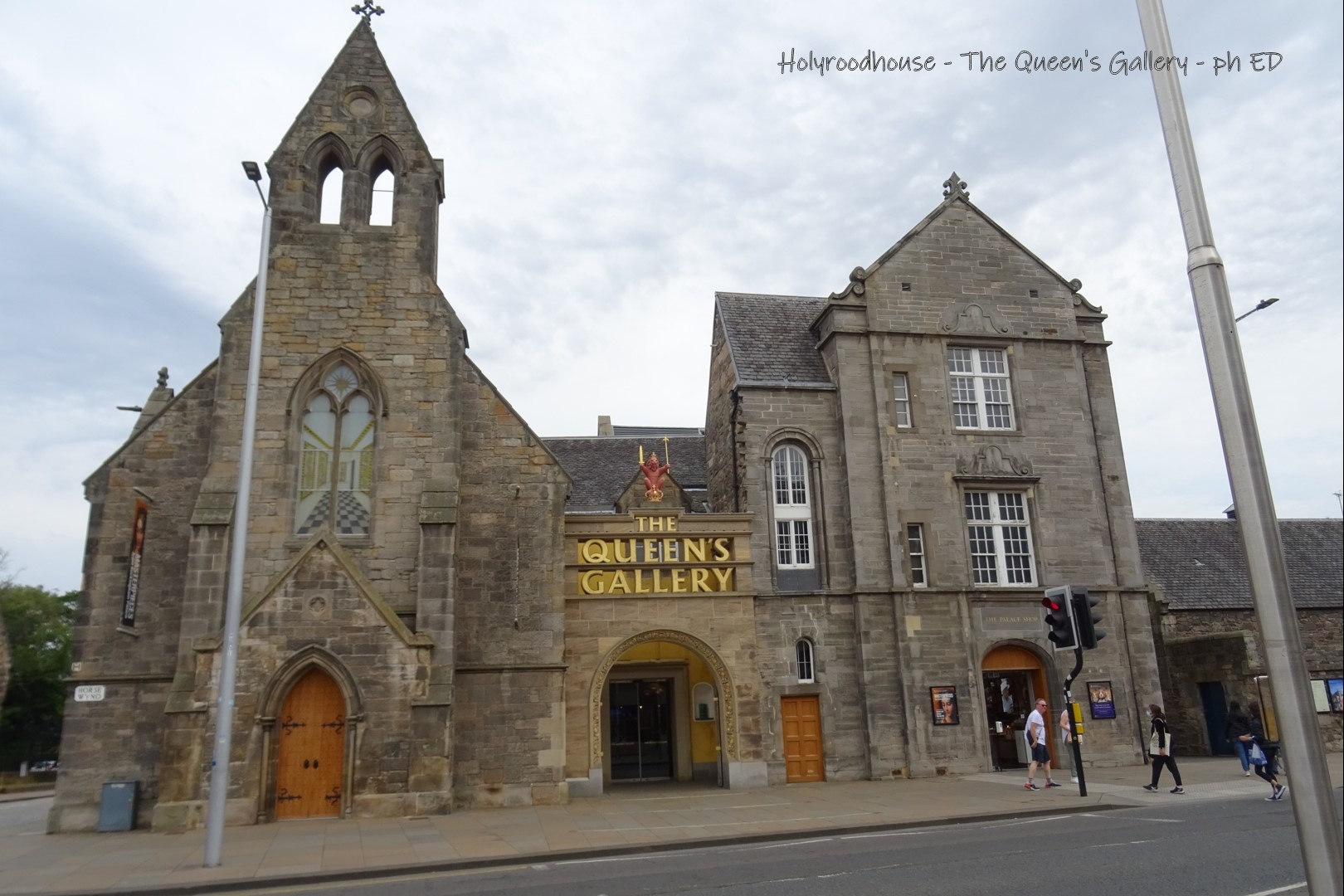
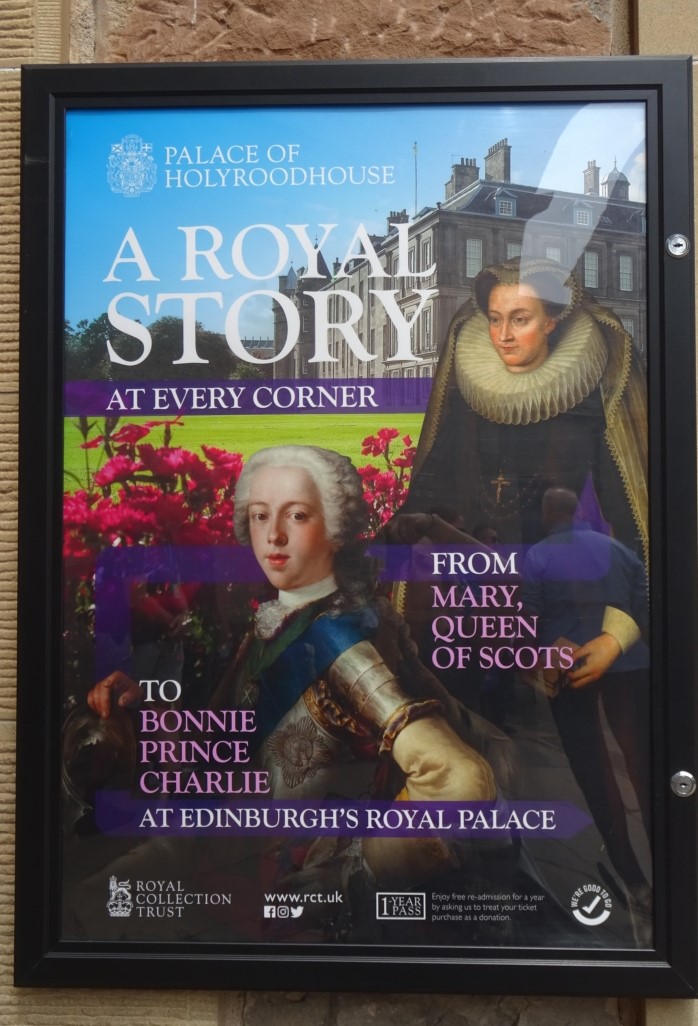
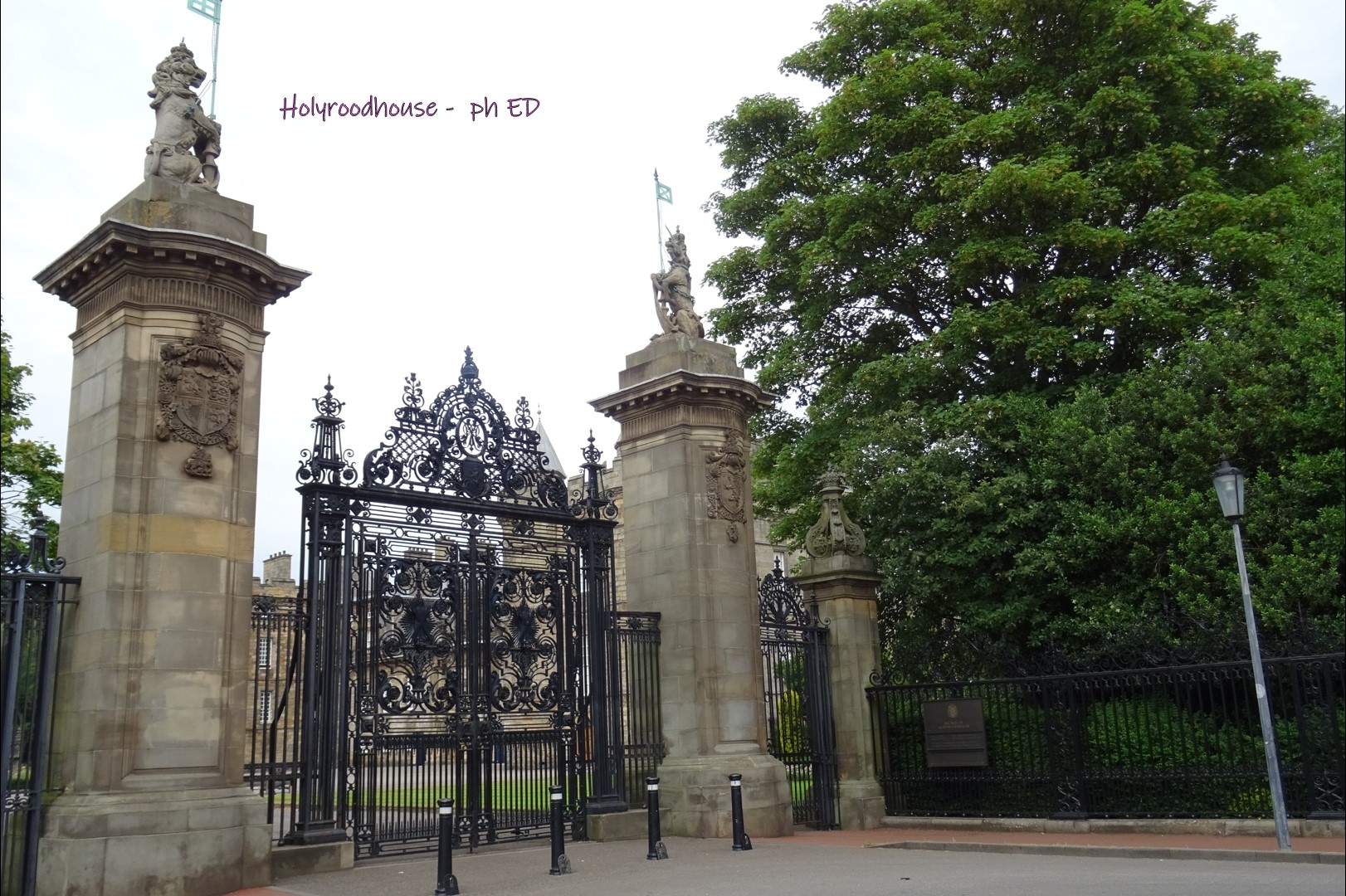
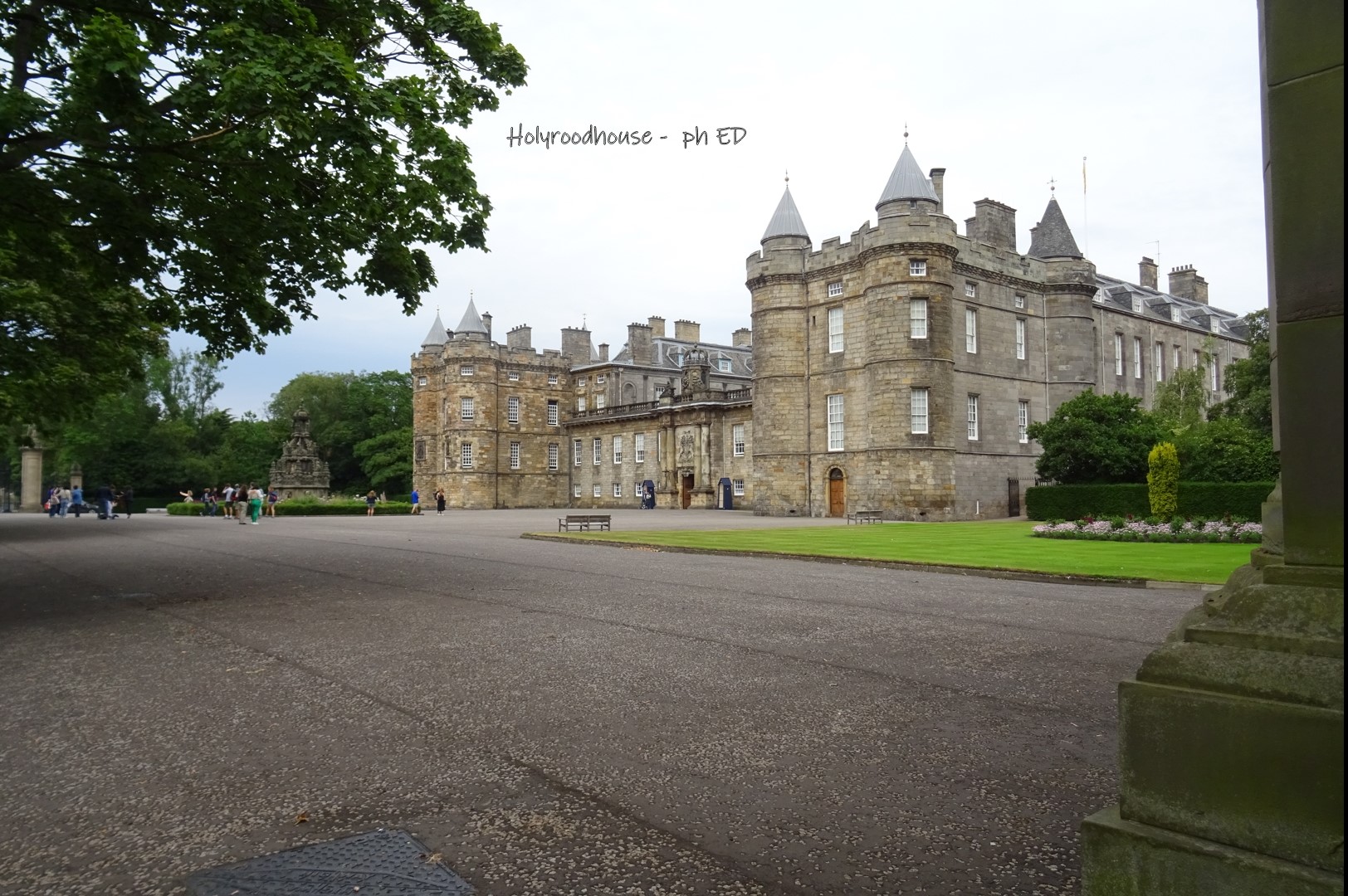
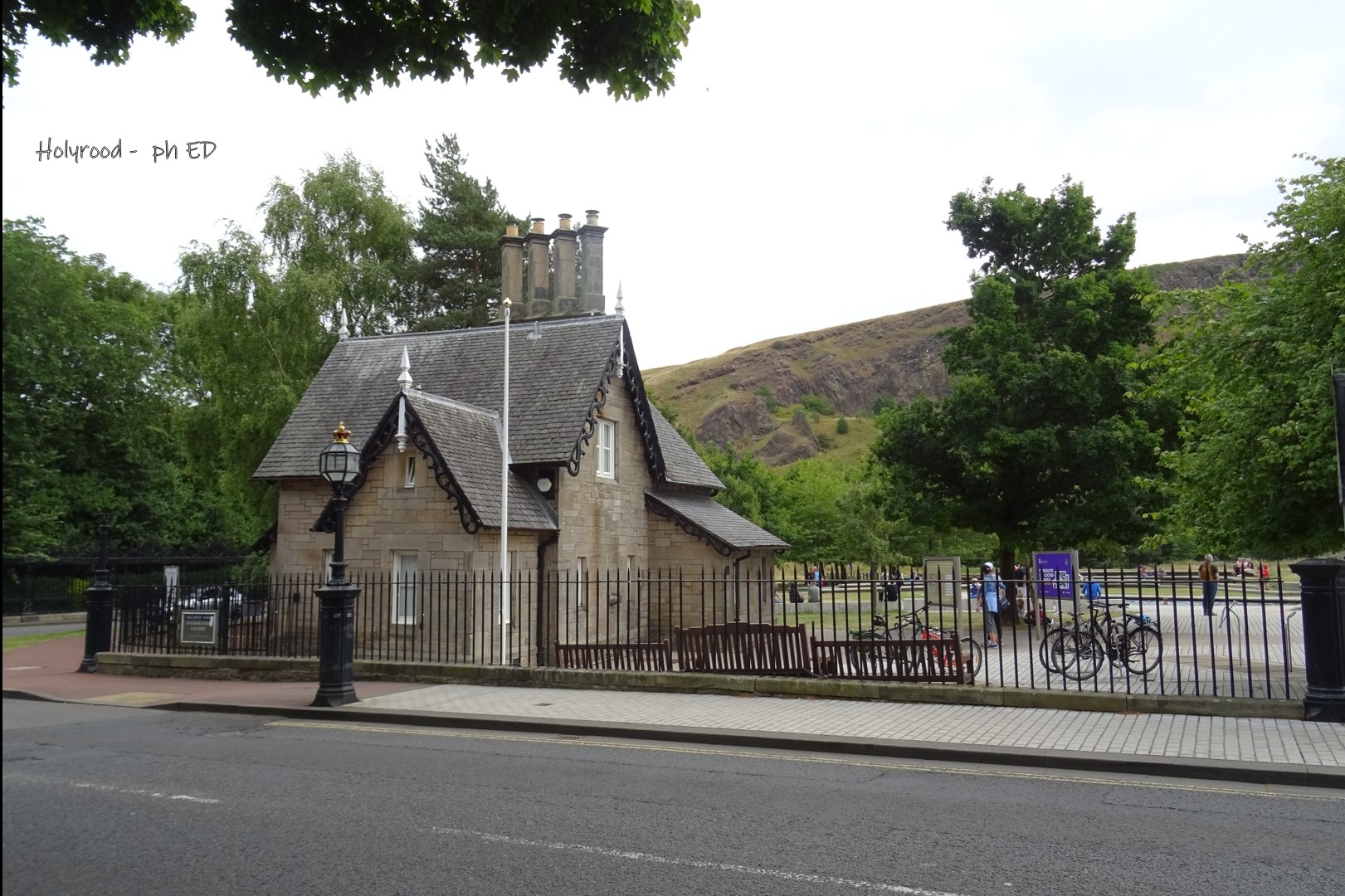
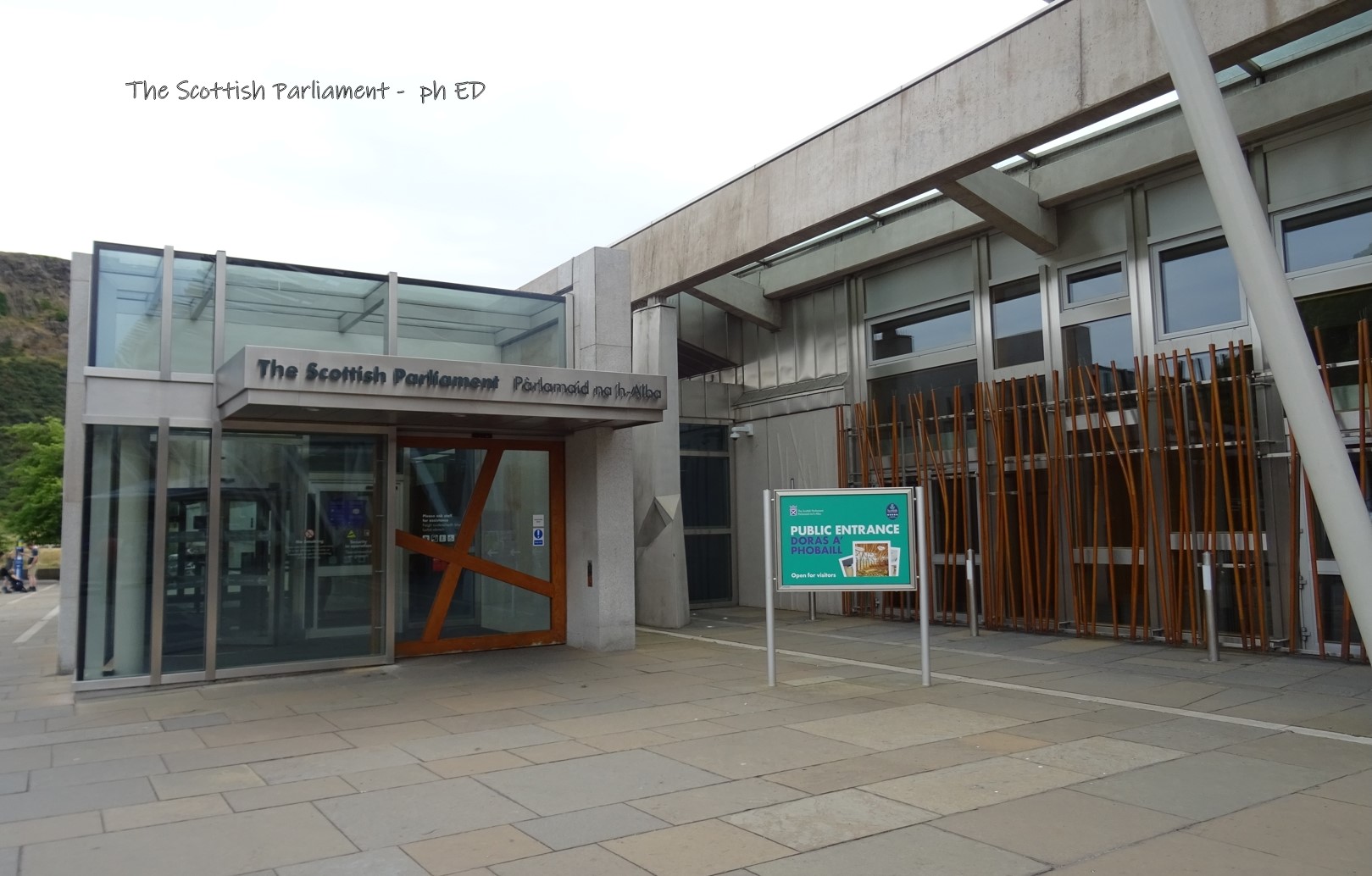
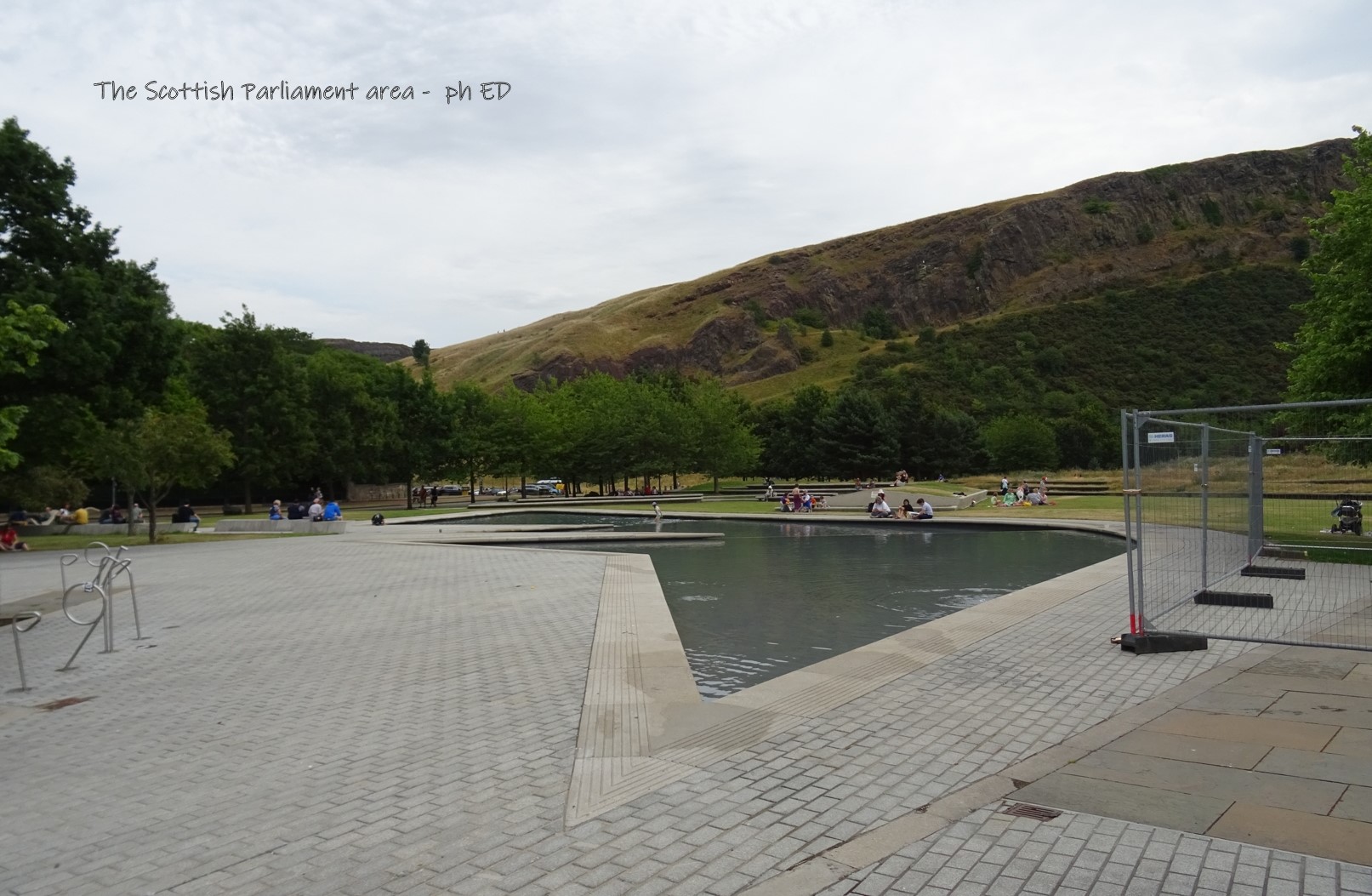
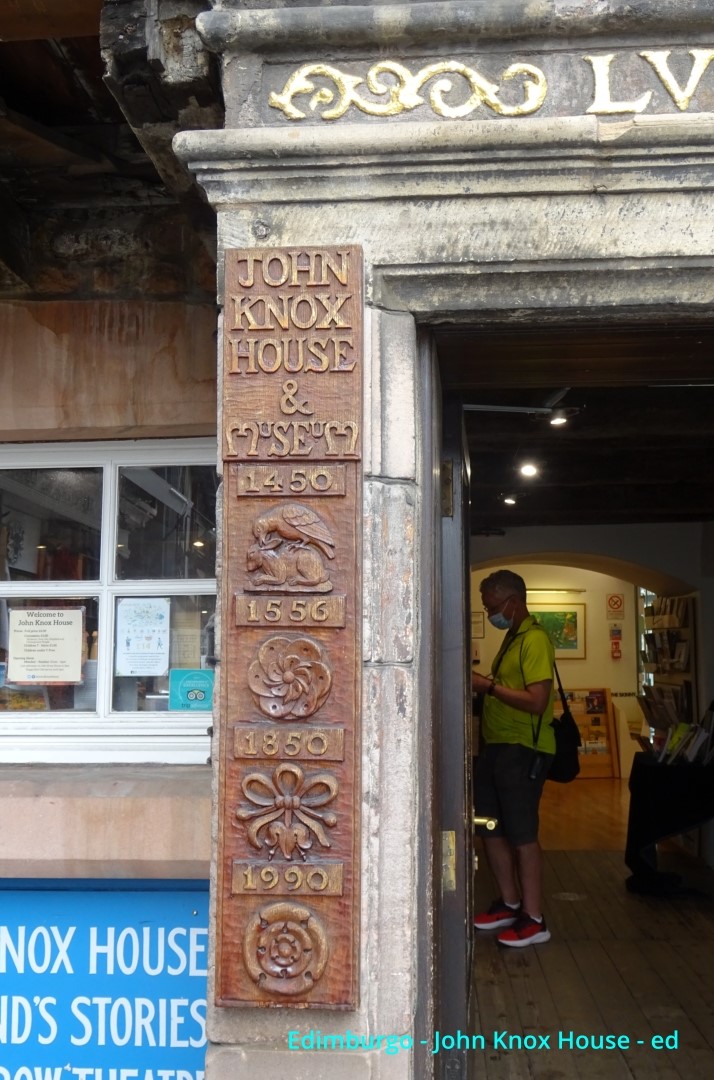
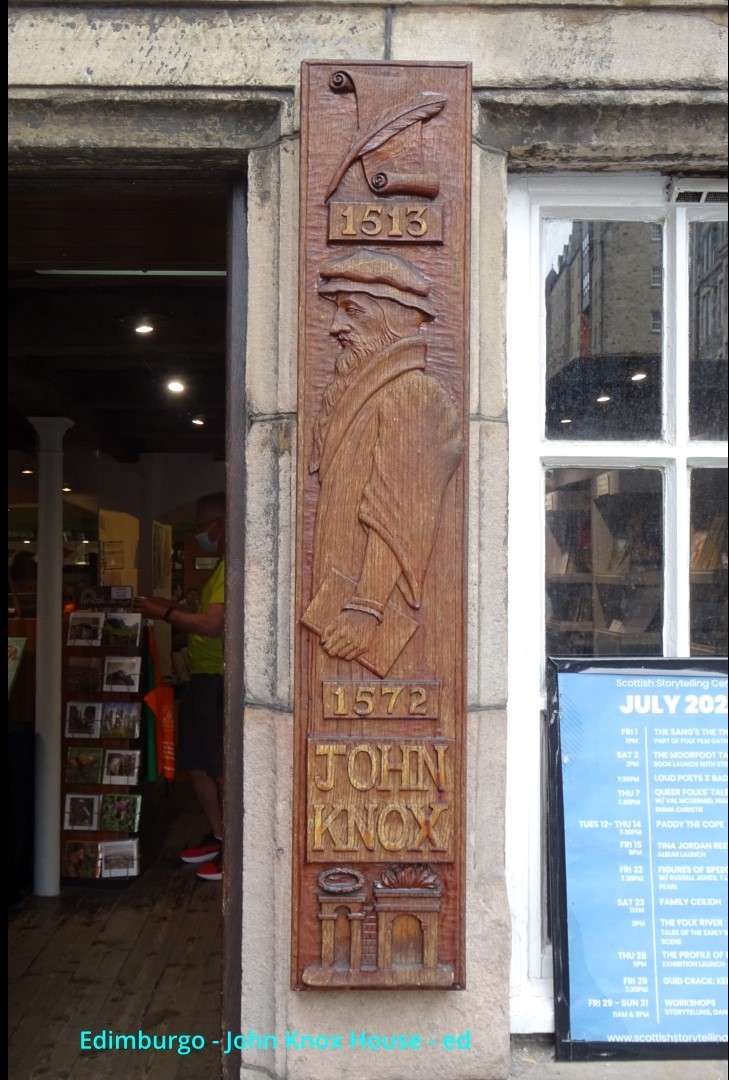
Continuing along High Street (leaving the bridge and therefore the Castle behind us), we are greeted by the splendid St. Giles Cathedral, a Gothic church with a Thistle Chapel inside, commemorating the Knights of the Order of the Thistle. Further along, we arrive at the beautiful Toy Museum, and 30 meters from the museum, we find The John Knox House. Further along, High Street becomes Canongate (although we are still on the Royal Mile); on the right—a walk of at least ten minutes—we find the University of Edinburgh, while going straight on, we arrive at the People’s Museum and the Museum of Edinburgh, two different museums facing each other. Past Dunbar’s Close, the splendid gardens on the left, and continuing for another five minutes’ walk, we find the Scottish Parliament building and the Palace of Holyrood, home to Mary, Queen of Scots and today the official residence of the Royals in Scotland.
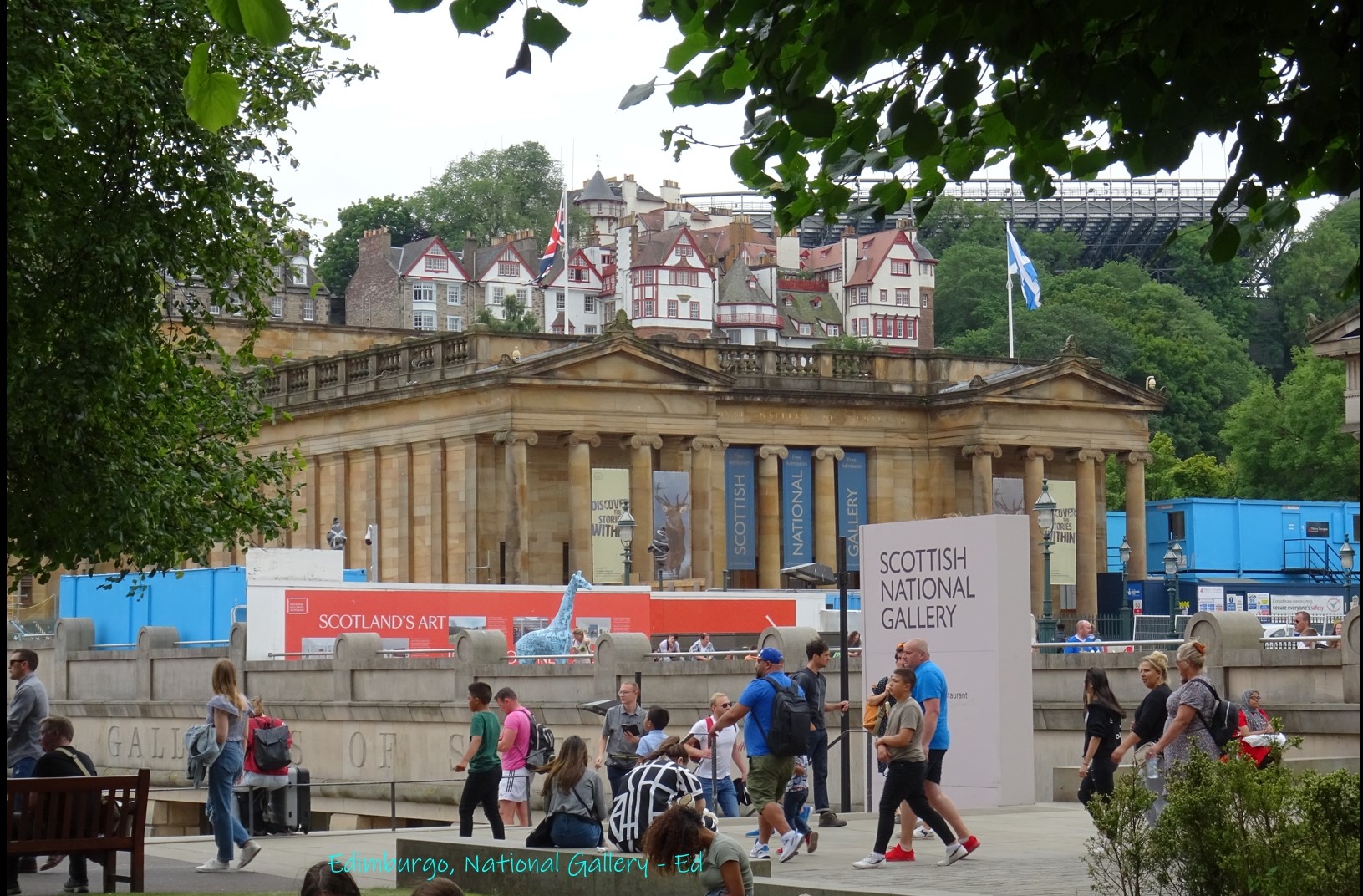
Museums visited: The Writers’ Museum, the Museum of Childhood, the People’s Museum, the Museum of Edinburgh, the Harry Potter Museum, the National Gallery, the National Museum of Scotland, Mary King’s Closet.
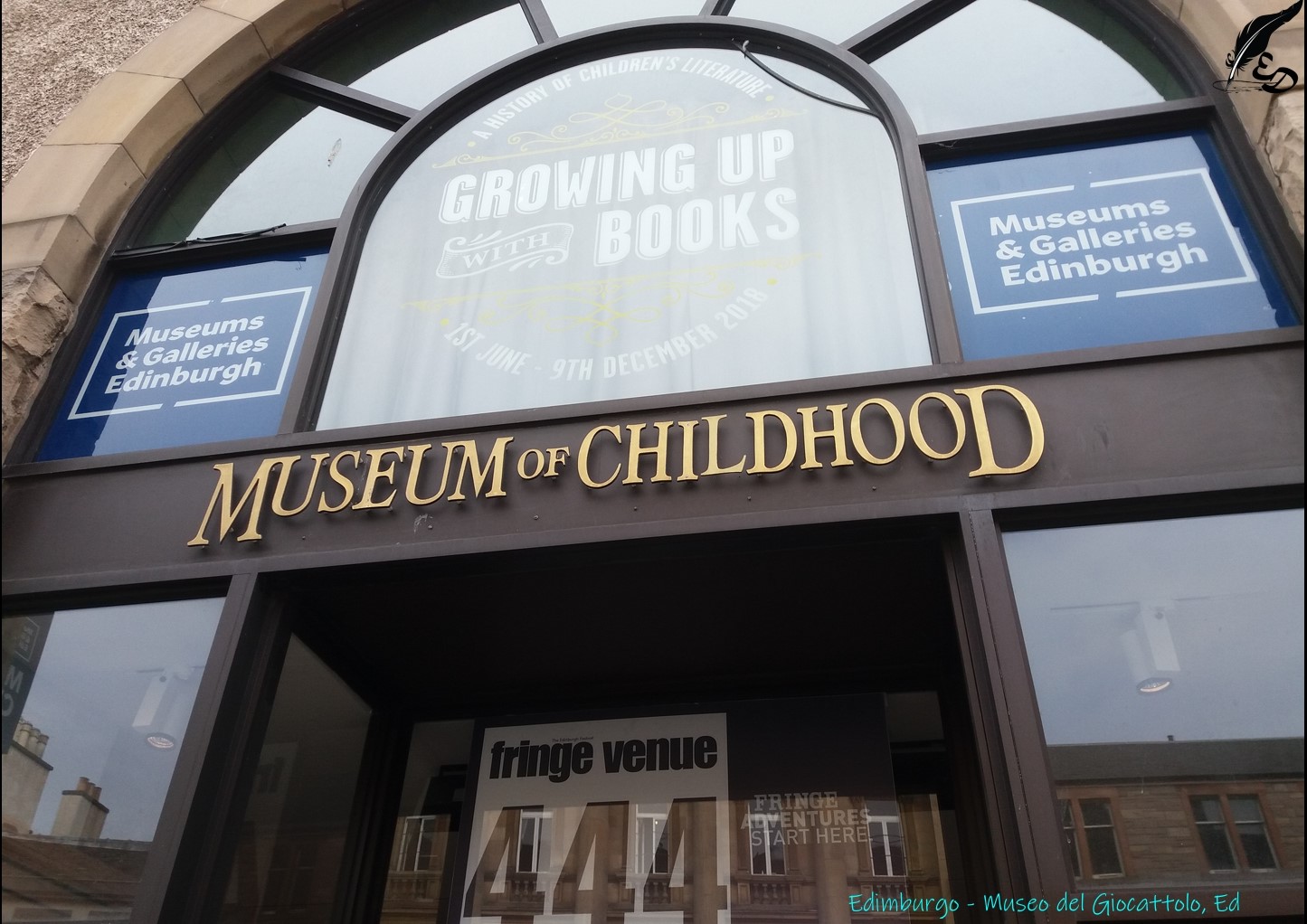
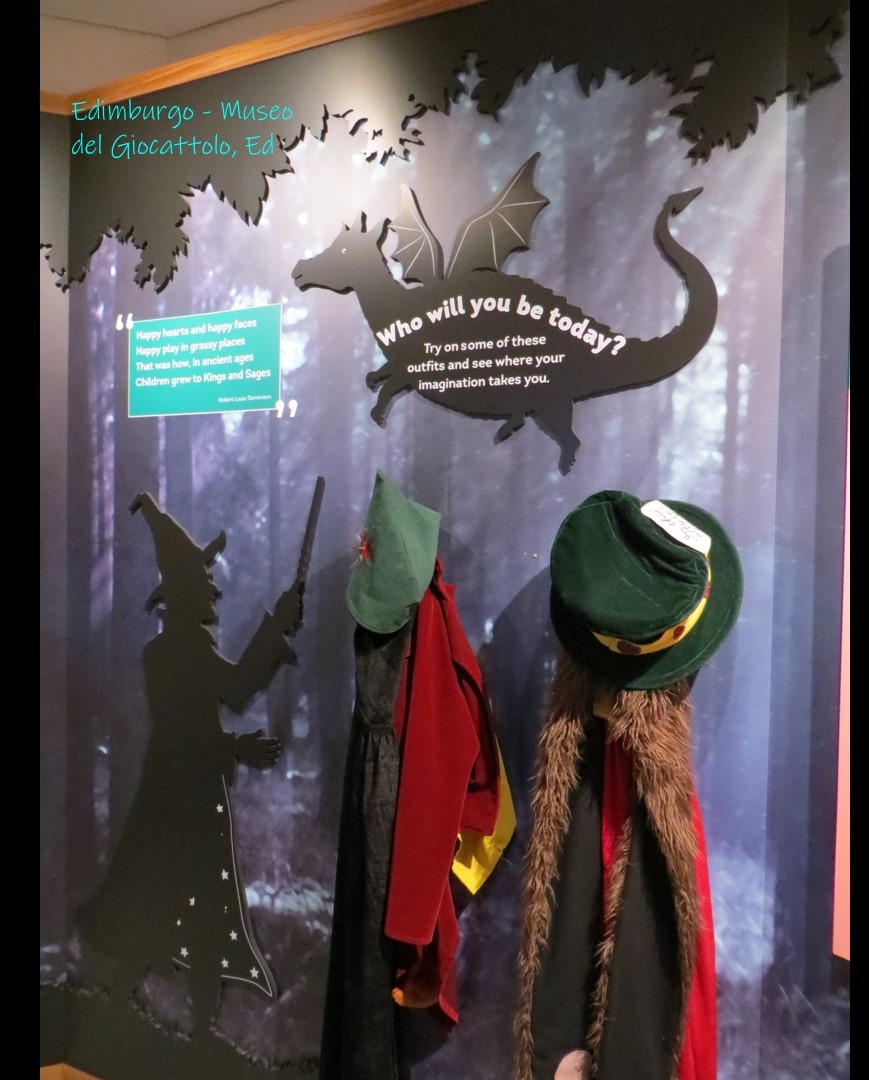
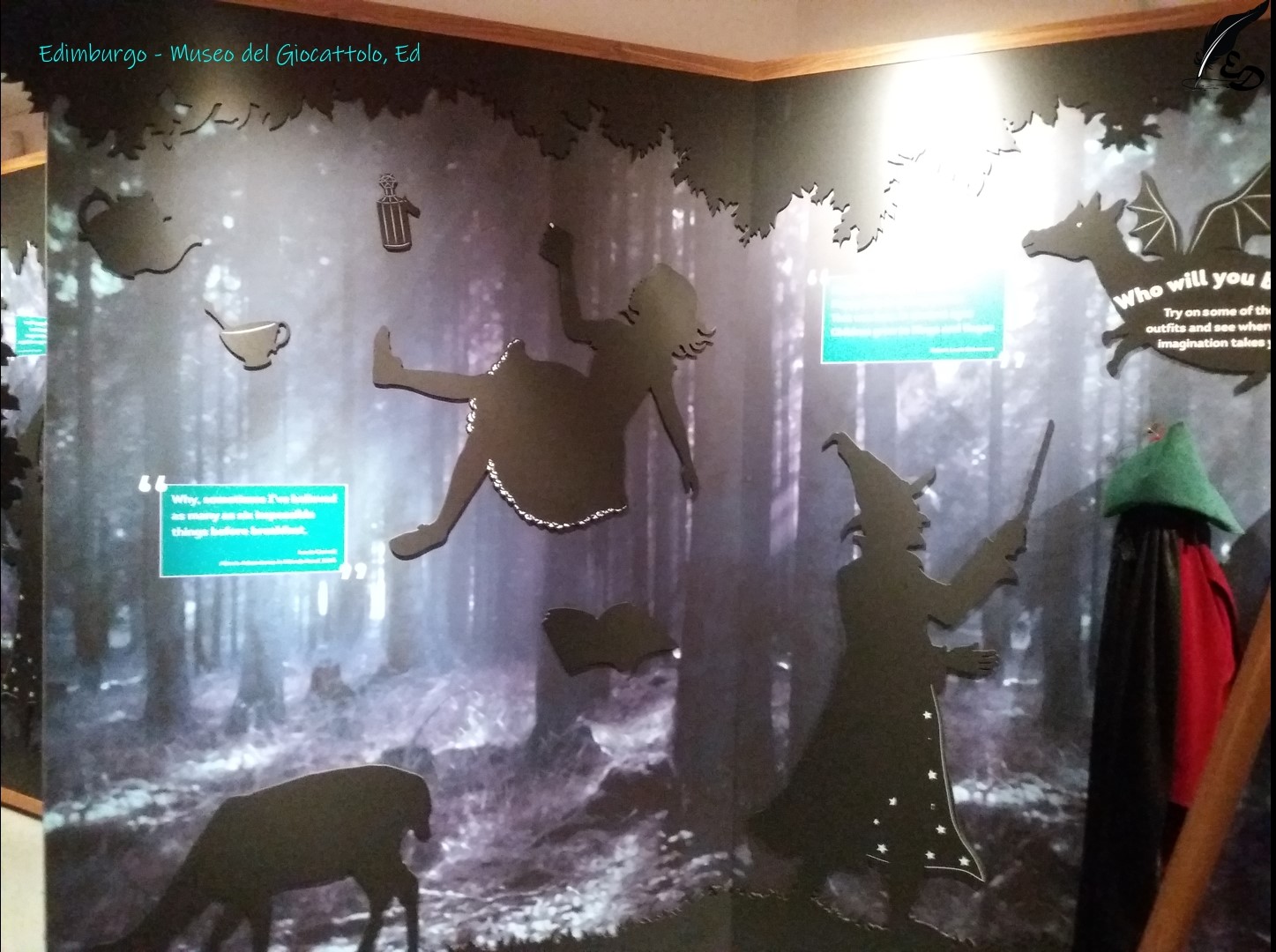
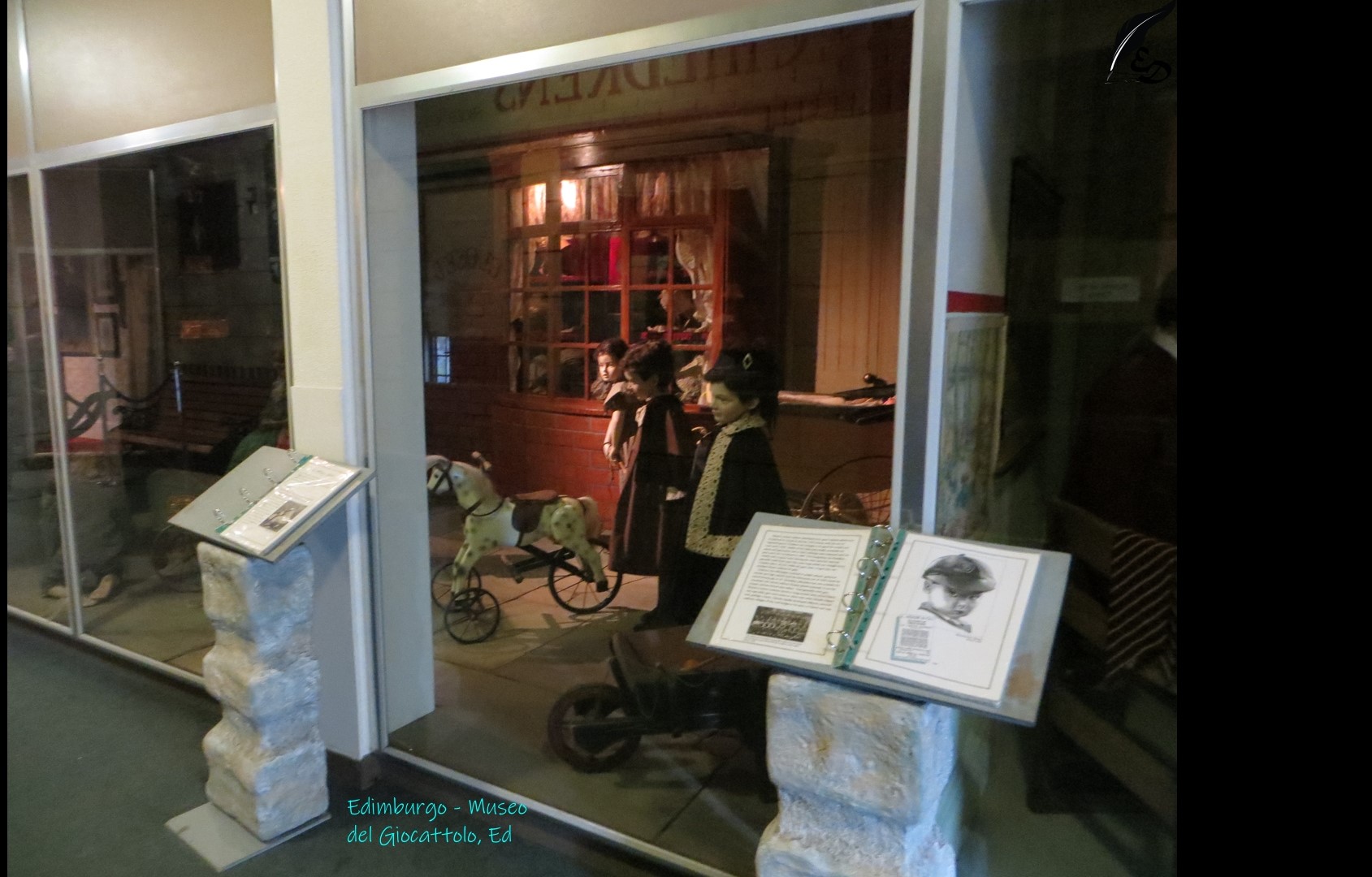
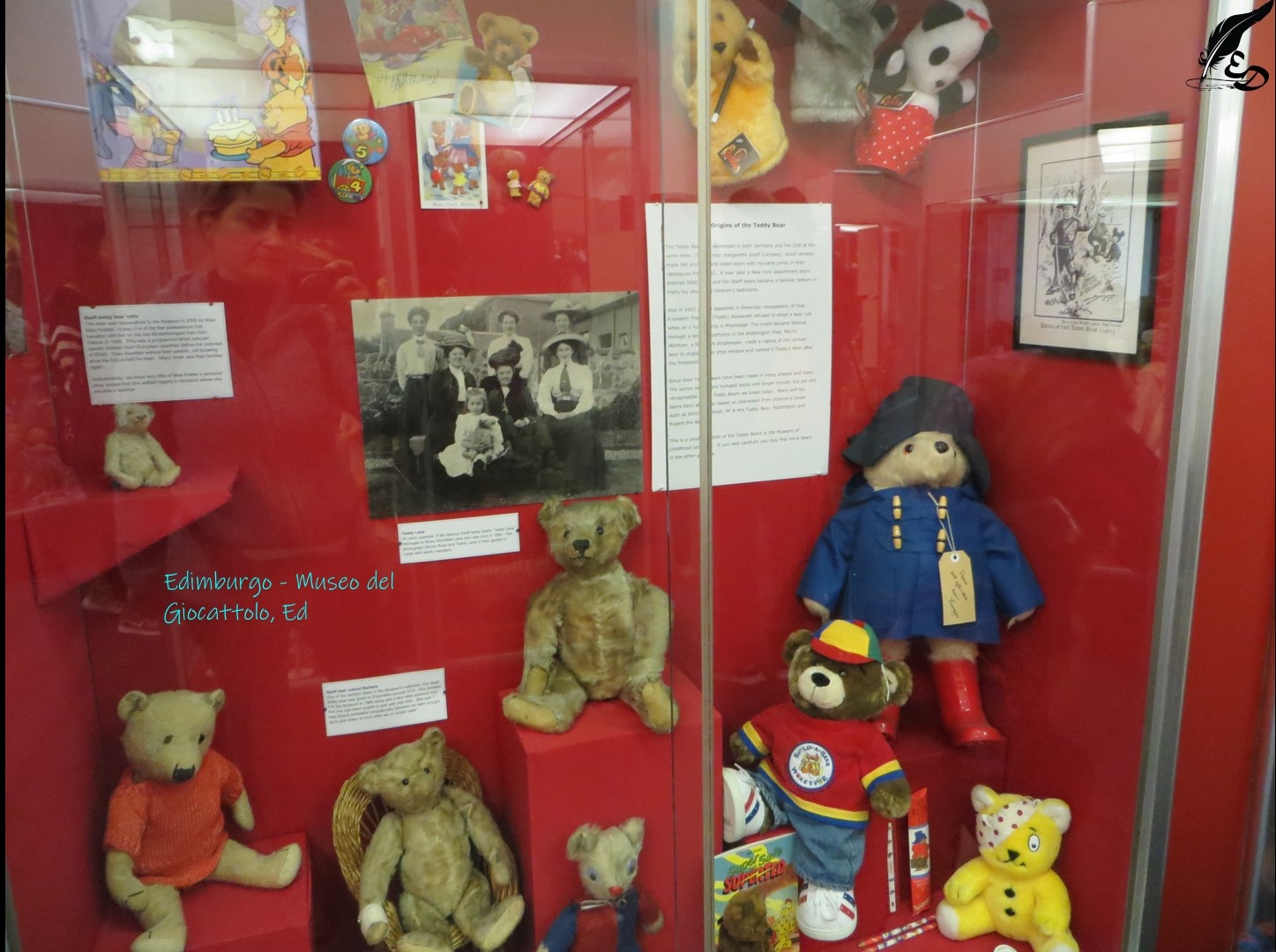
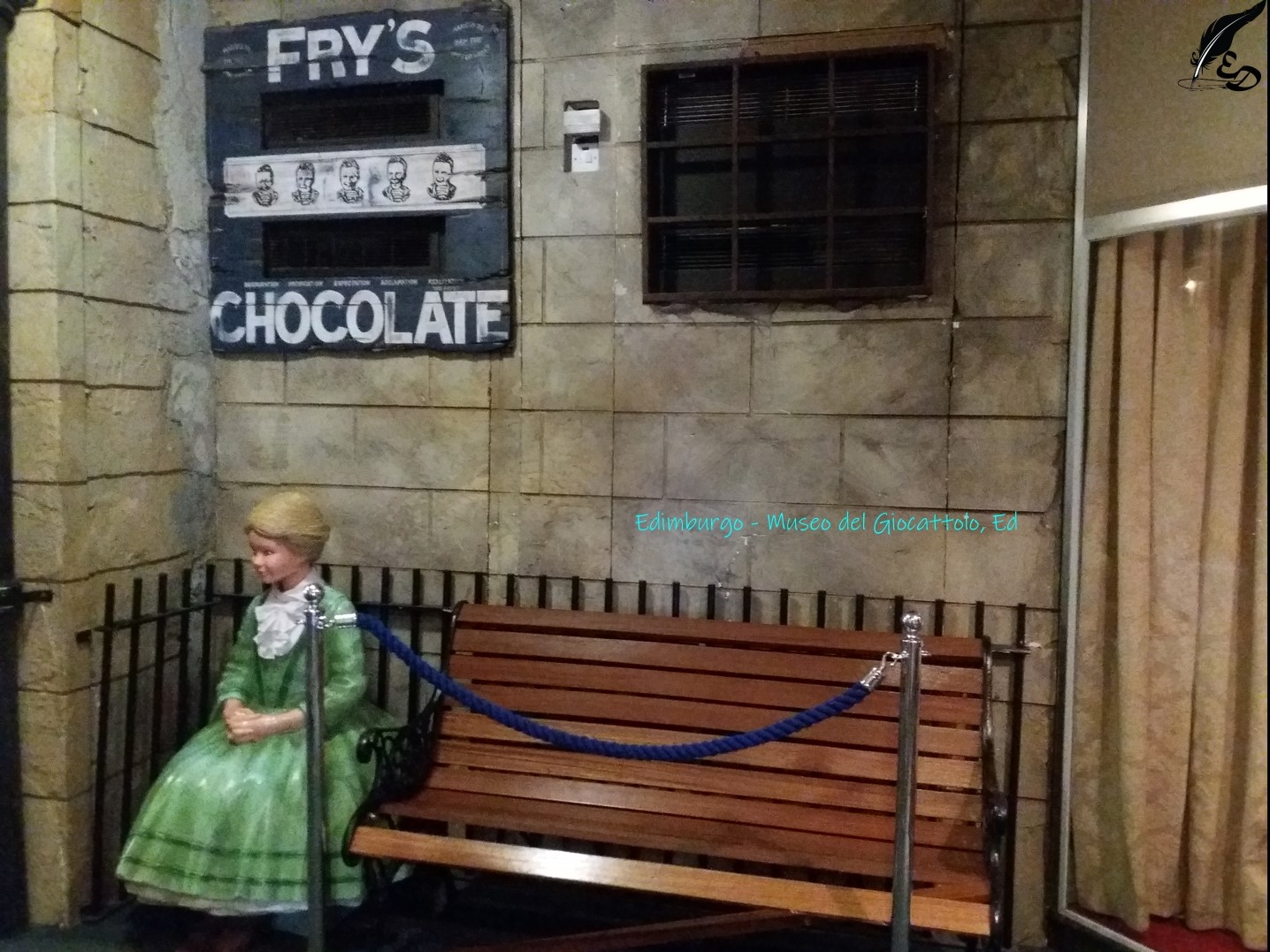
Museum of Childhood – Toy Museum. Located at 42 High Street, this museum spans several floors and, toy after toy, takes us back in time. No, it doesn’t dazzle us with special effects, although it has a lot of special features, starting from the entrance where, next to hats and costumes to try on, a sign invites us to reflect: Who would you like to be today? It’s almost an exhortation, reminding—at least for children—that we can be anything we want, but why not? Adults too. That it’s never too late to listen to that secret corner of ourselves that we too often—or too soon—shove aside. Imagination and history are truly at home here, with photos, wax figures, and explanations that chronologically reconstruct our way of playing over the years. A place for children and adults alike. Entrance is free, but they may ask for a donation.
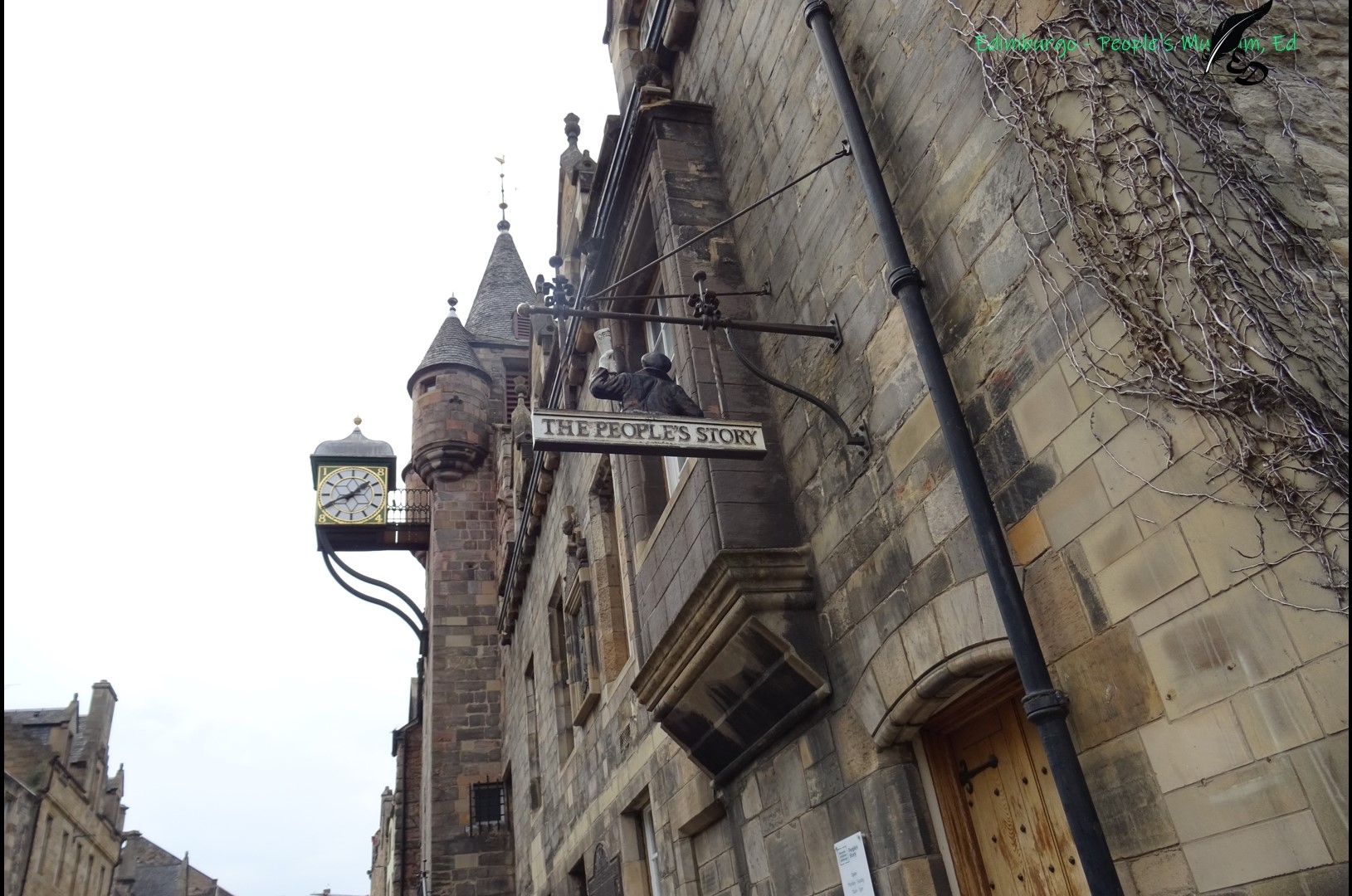
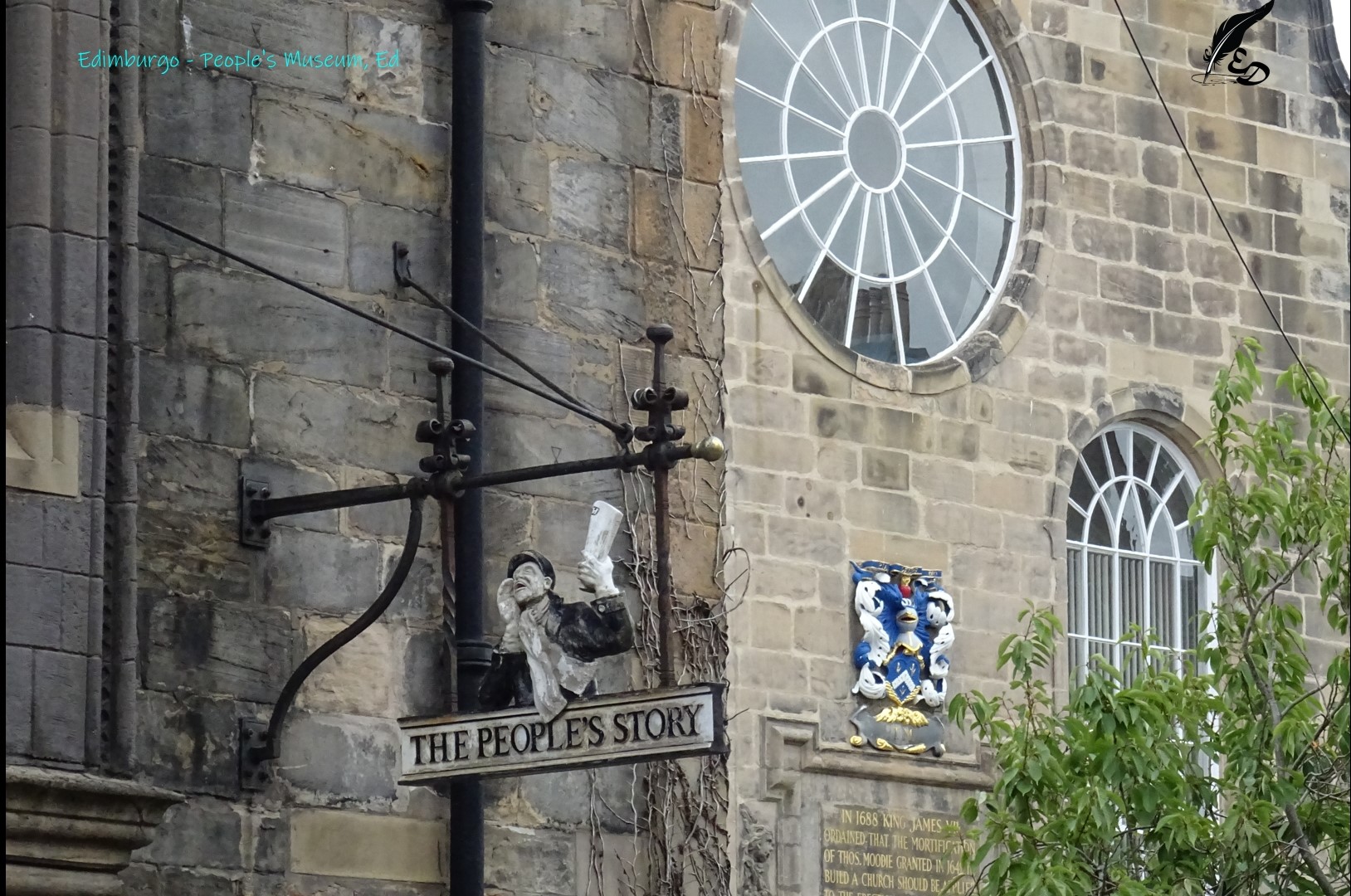
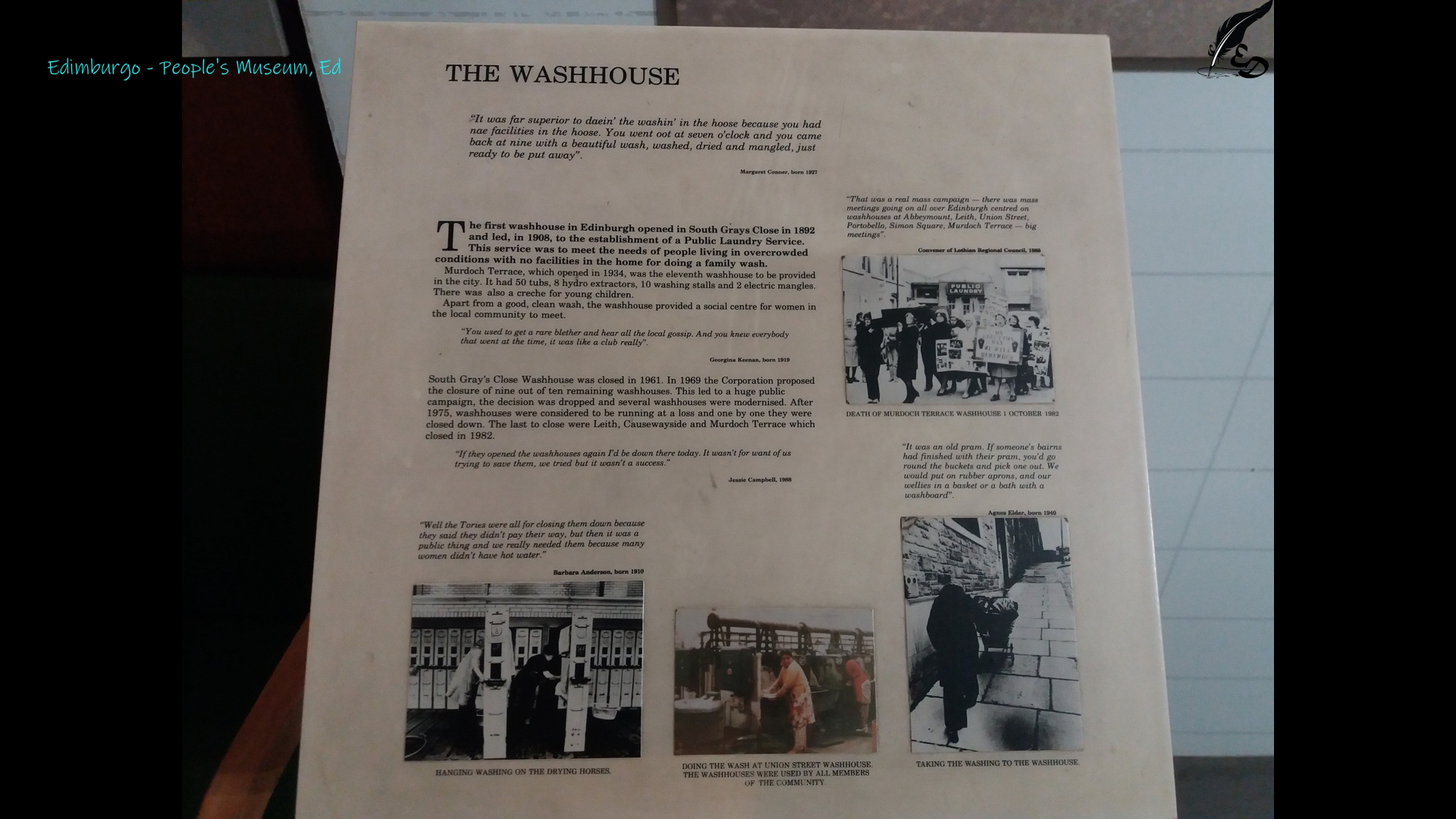
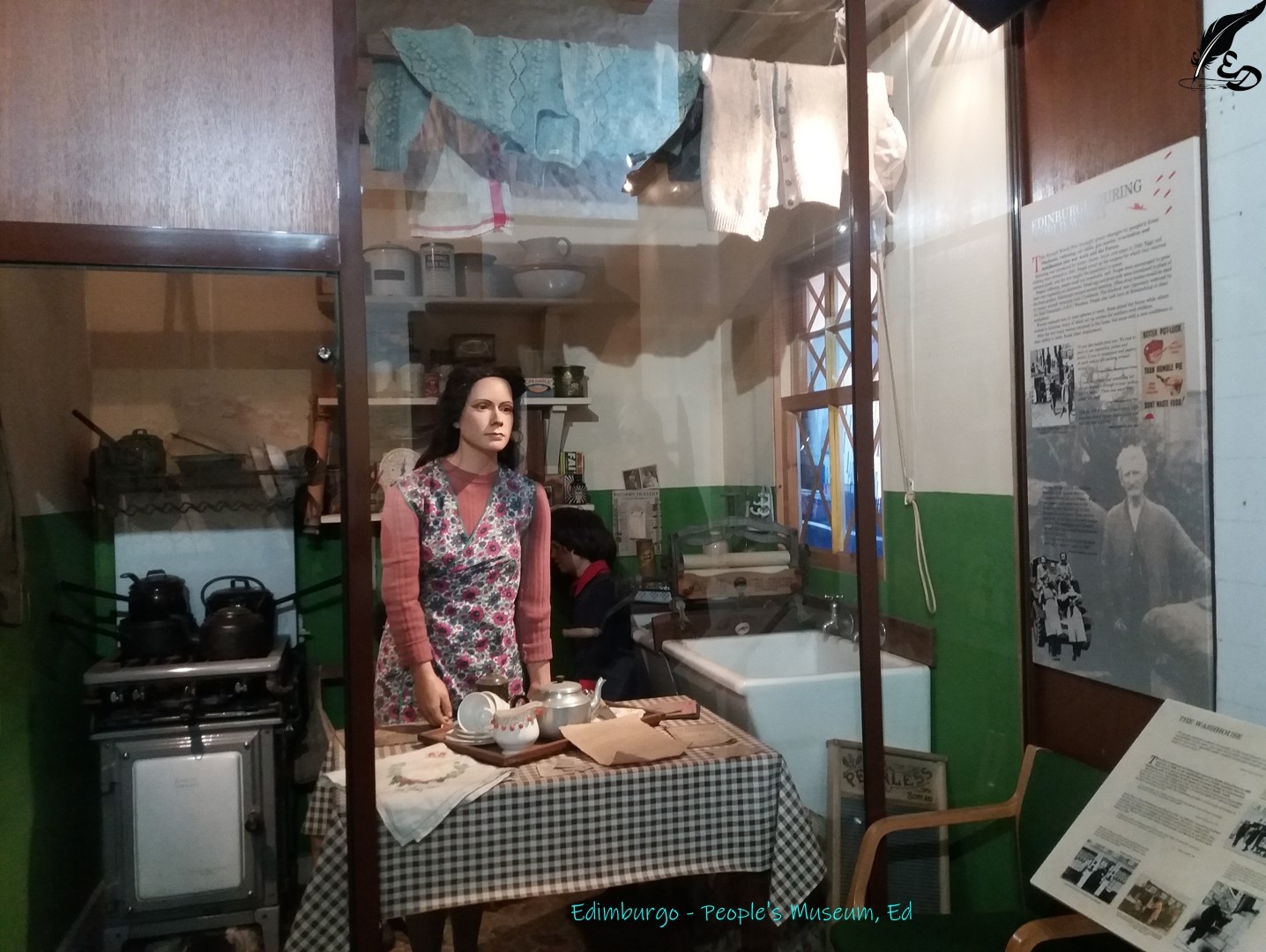
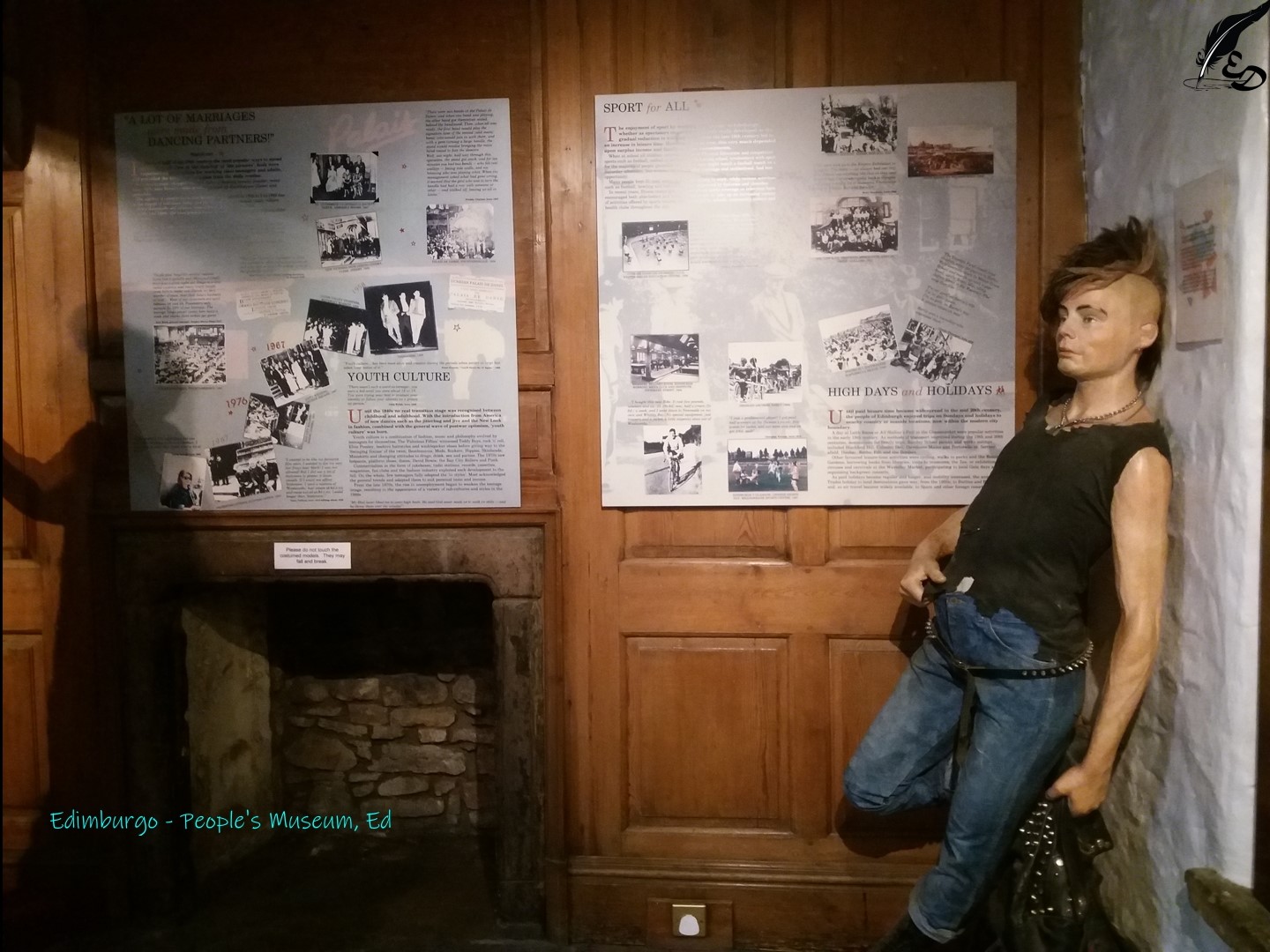
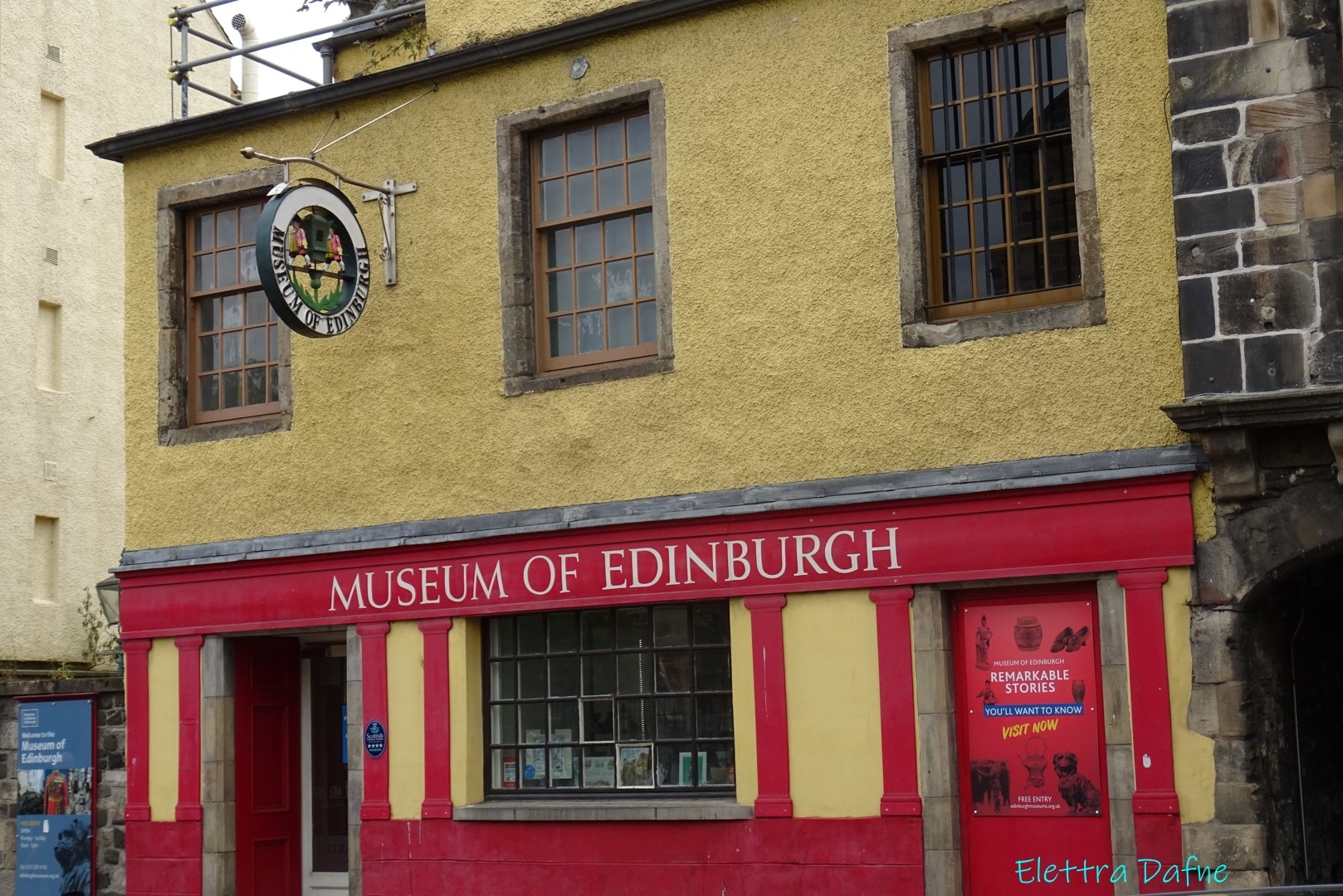
People’s Story Museum, in Canongate. Located on what was originally a prison, this museum is spread over three floors. Personally, I loved it; I’m a huge fan of English and Scottish history in general—so much so that, with Steam, Gears, and Clockwork Dreams, I practically dedicated a book to them – but this museum is worth a visit. Outside, we’re greeted by the splendid Clock Tower, while inside, thanks to original objects and the aid of detailed descriptions and wax figures representing the various working classes, we can immerse ourselves in the atmosphere of the late 18th century up to the present day, to understand daily life across the centuries, and themes such as healthcare, battles, and various professions. Admission is free with a suggested donation. Opposite is the Edinburgh Museum, with iconic objects from this country’s history.
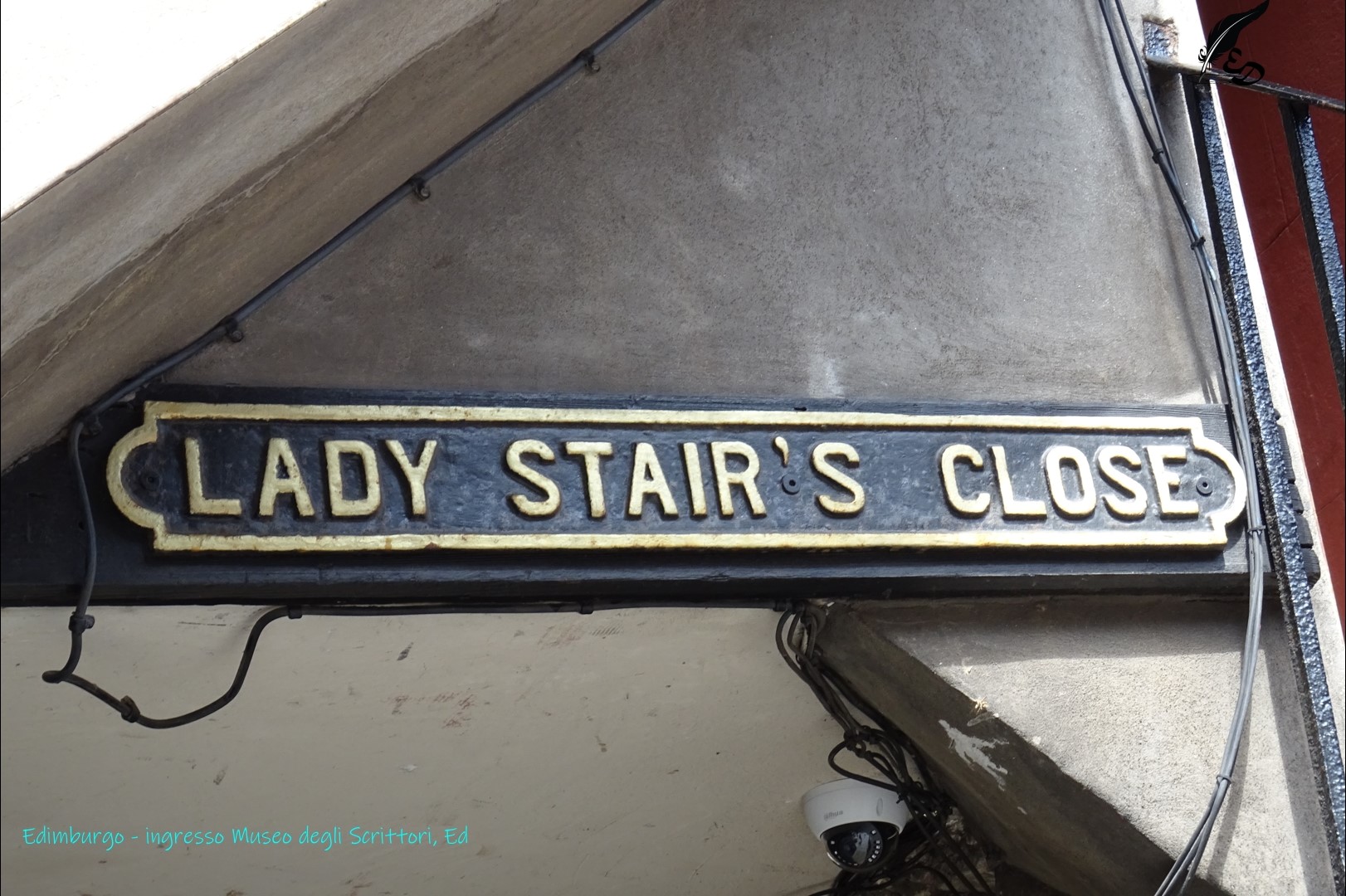
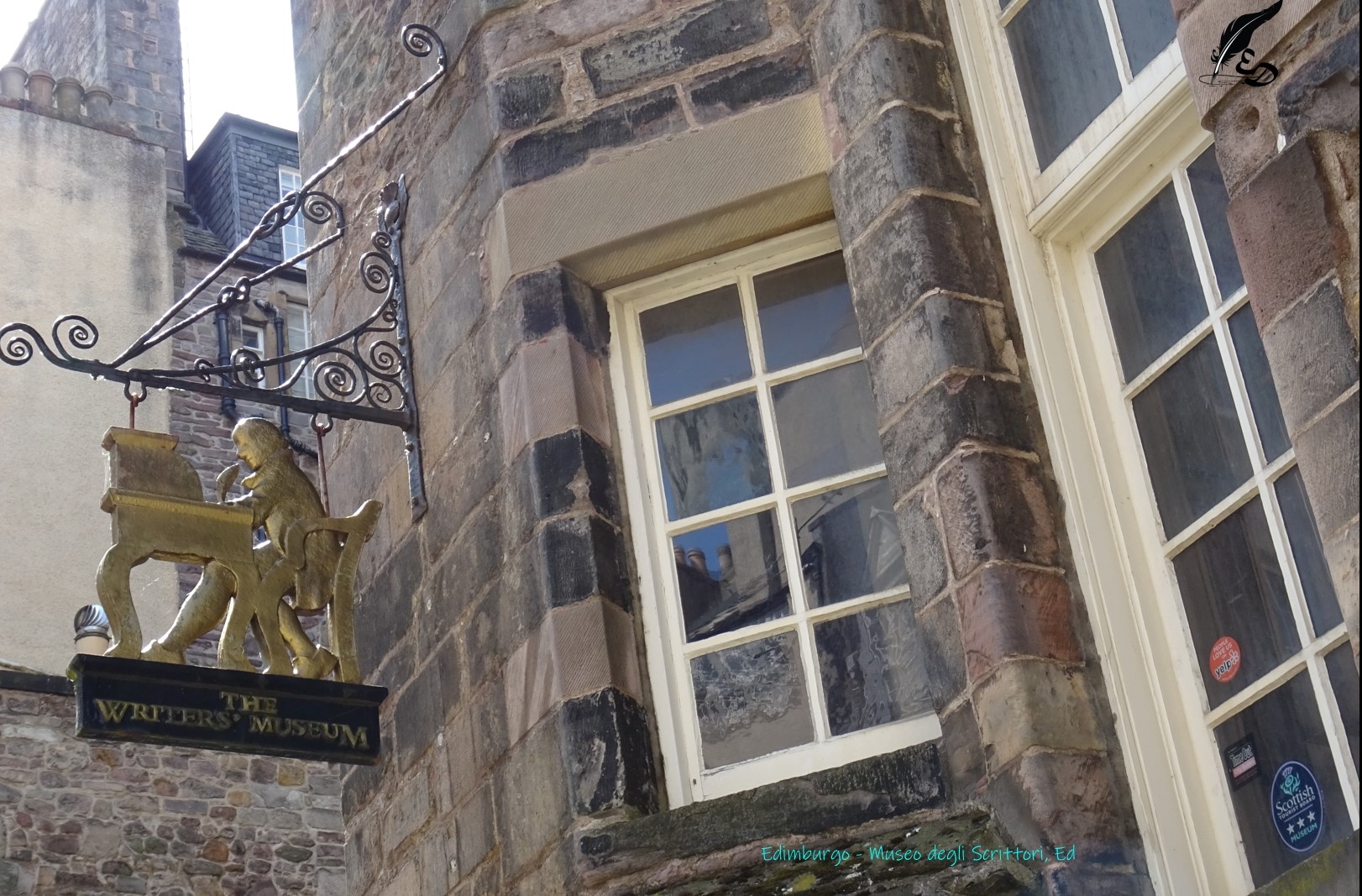
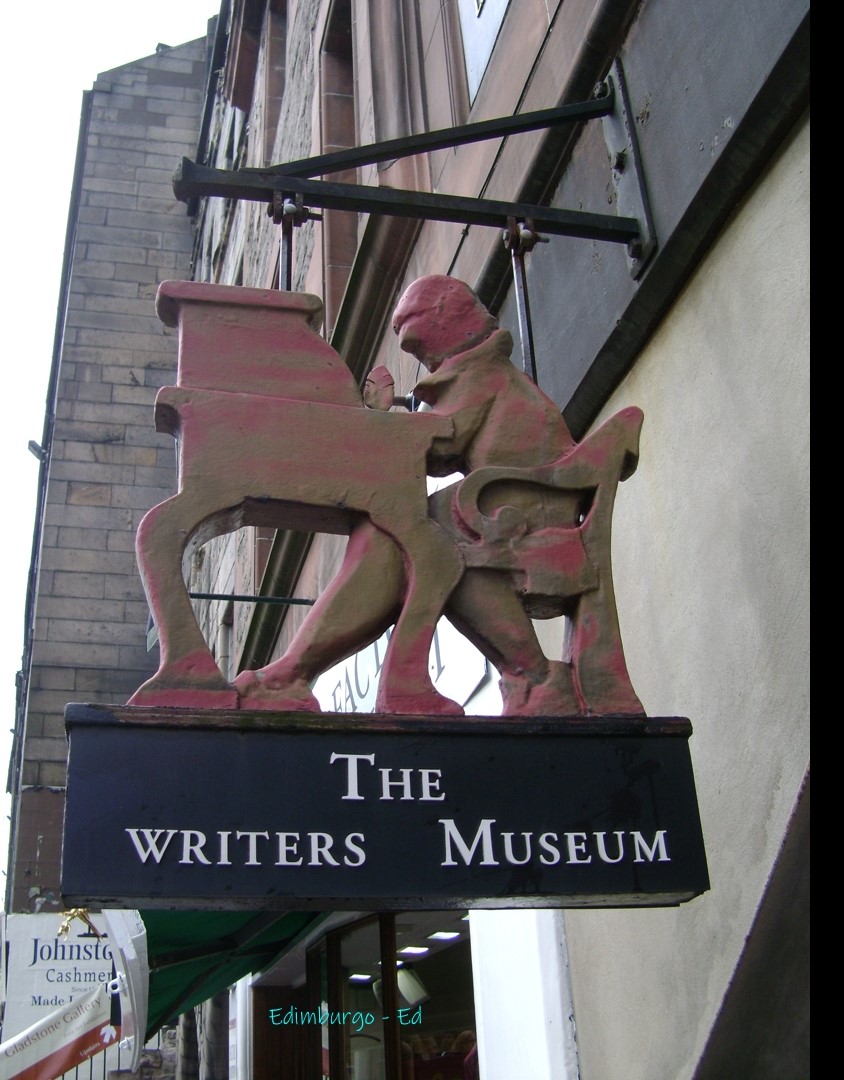
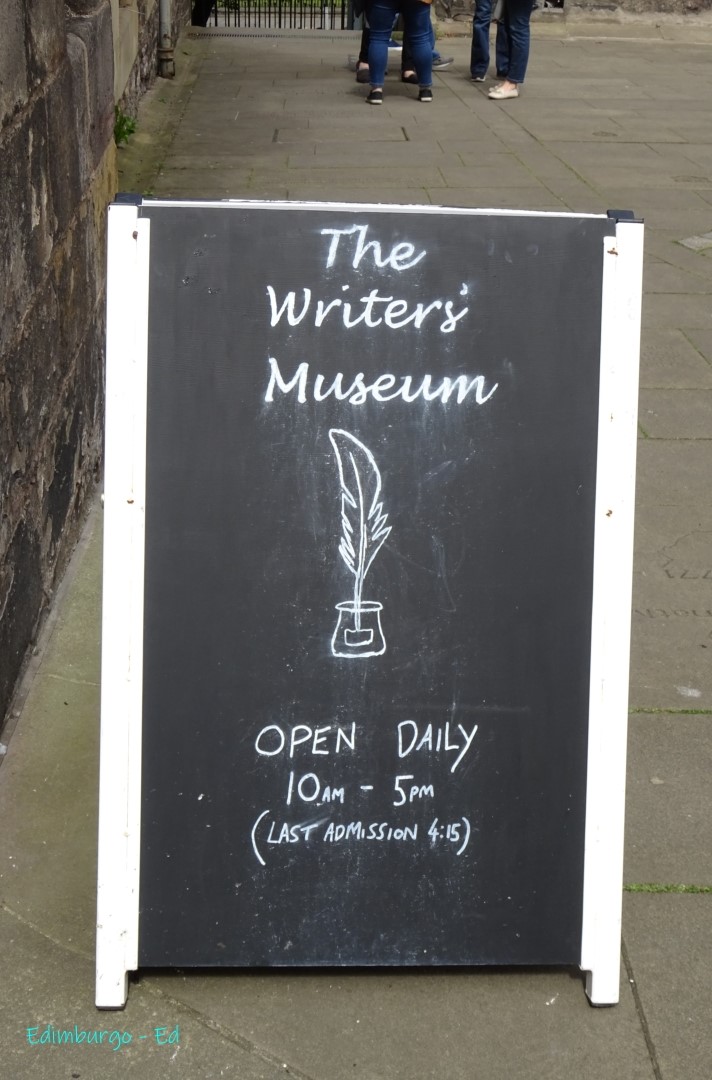
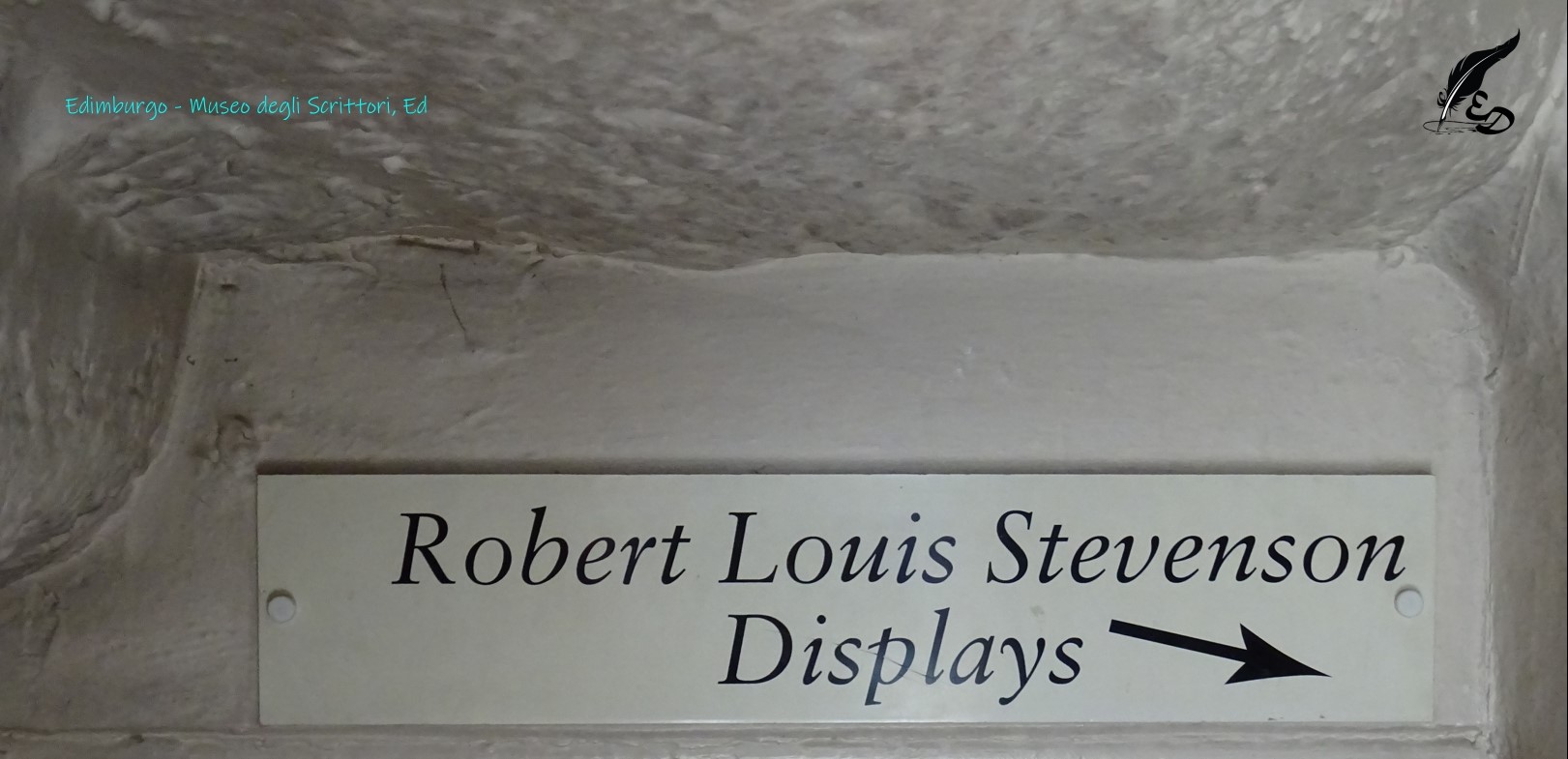
The Writers’ Museum – And here too I’m biased 😁. Located a little inland, it is accessed from the Royal Mile by entering an alleyway – Lady Stair’s Close – which takes its name from the eponymous countess who purchased the house in 1720. Spread over three floors, it houses documents, images, and personal objects of three great authors: Sir Walter Scott, inventor of the historical novel; Robert Louis Stevenson, the unforgettable author of The Strange Case of Dr. Jekyll and Mr. Hyde; and Robert Burns, poet. There is also a monument dedicated to Sir Walter Scott on Princess Street. In Melrose, about an hour’s drive from Edinburgh, is Abbotsford, the house museum dedicated to him. I talk about it here (under construction).
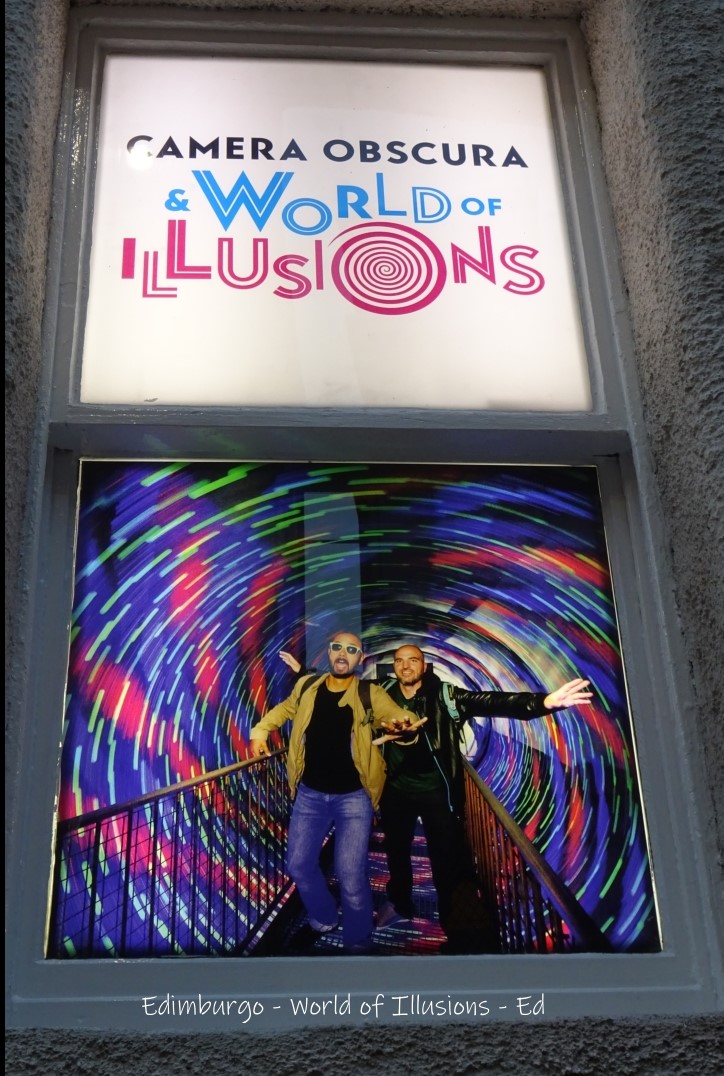
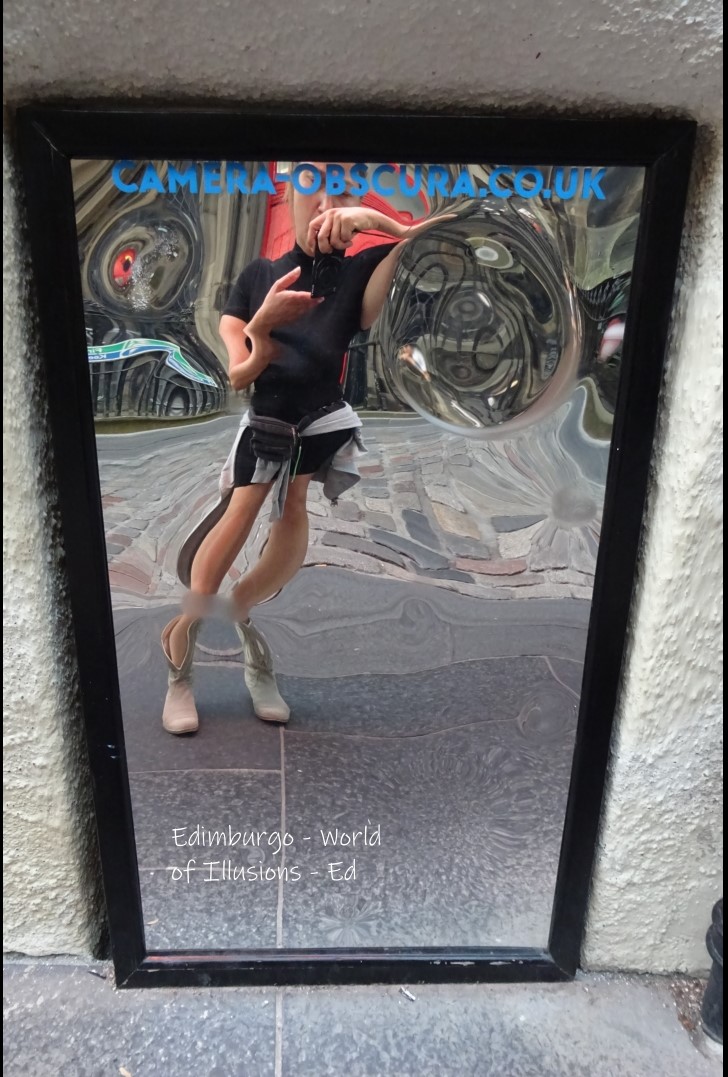
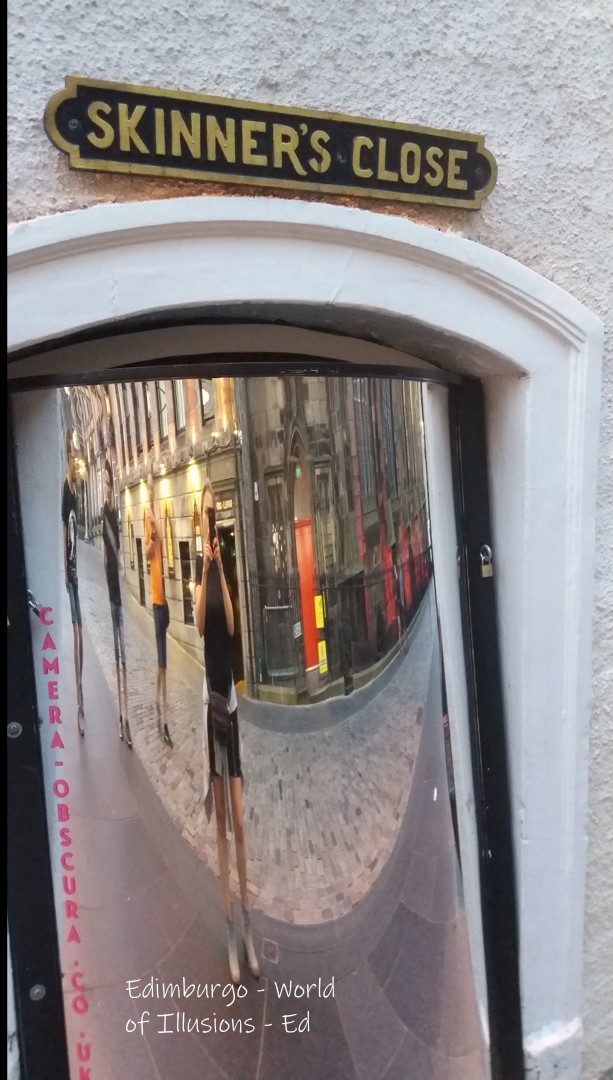
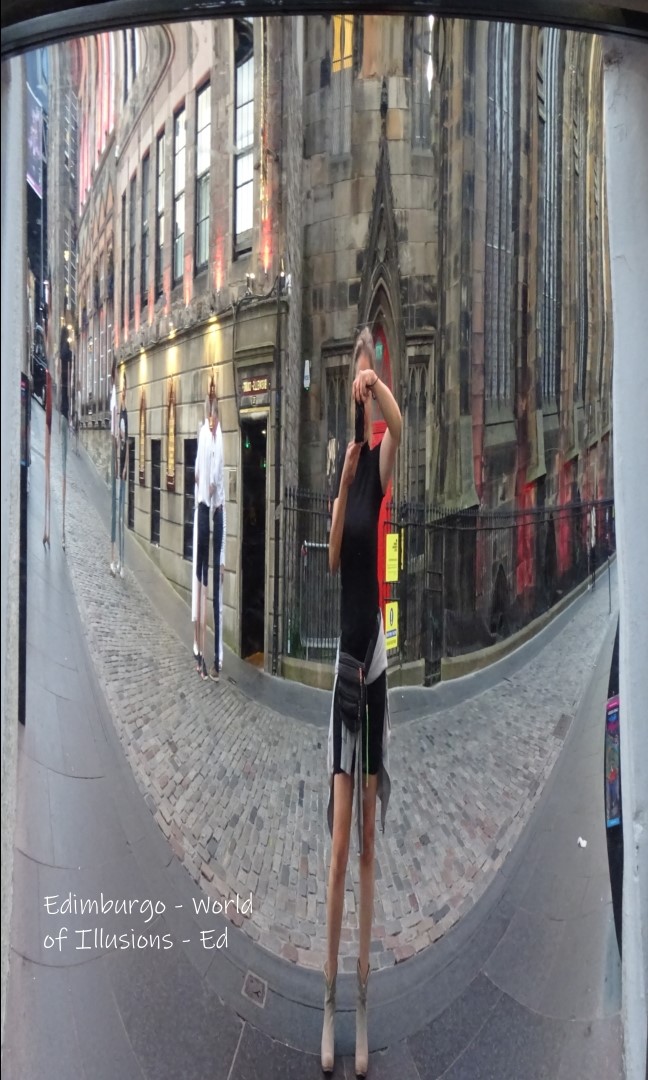
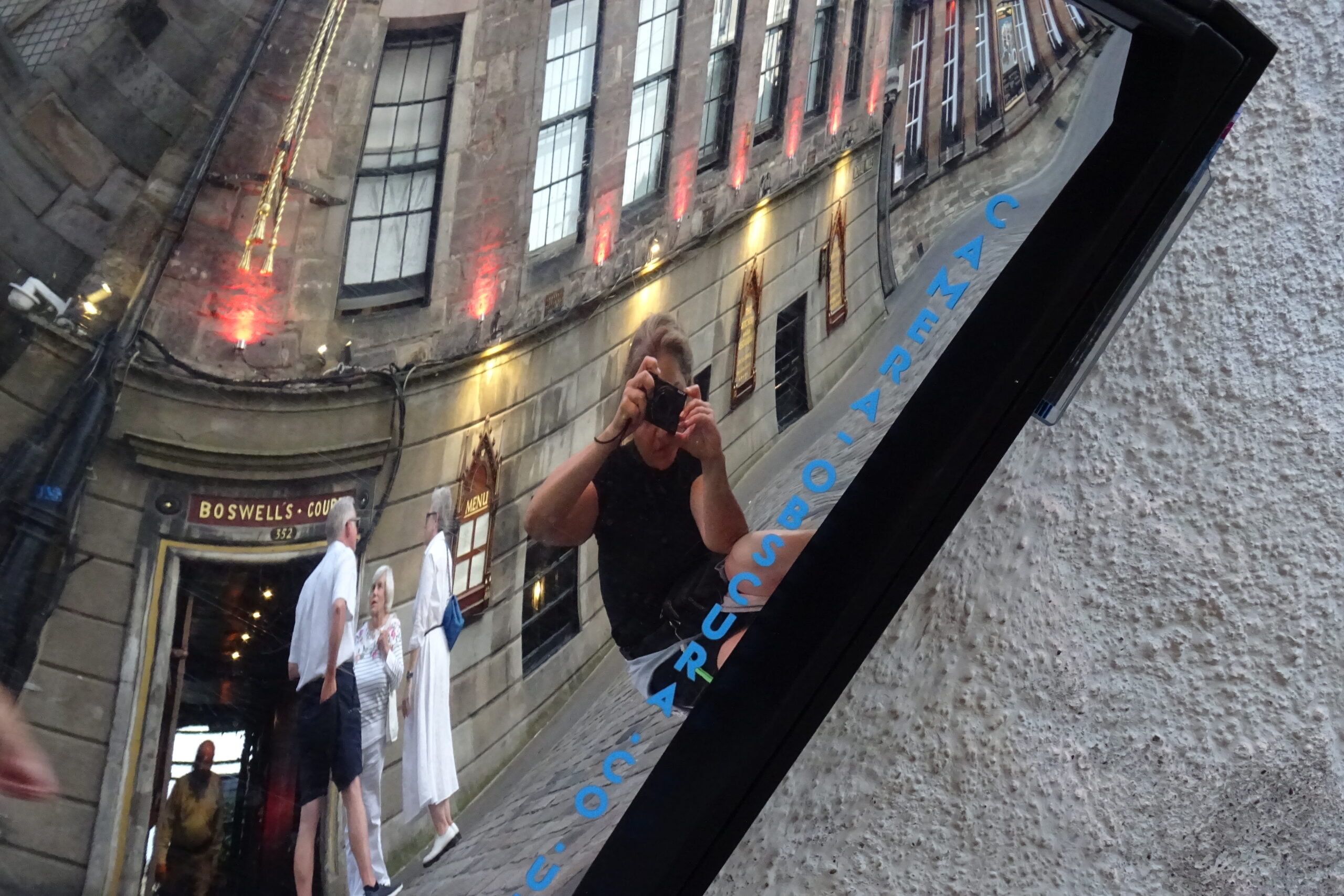
Below are some photos taken at the Camera Obscura and World of Illusions. Attached to the Castle, it’s one of the most popular attractions, as well as a triumph of optical illusions, spanning five floors. There’s an attached shop. Admission is subject to a fee for children aged 5 and up.
👀 Spooky Edimburgh 👀😮👻😲😨😱😨🥴
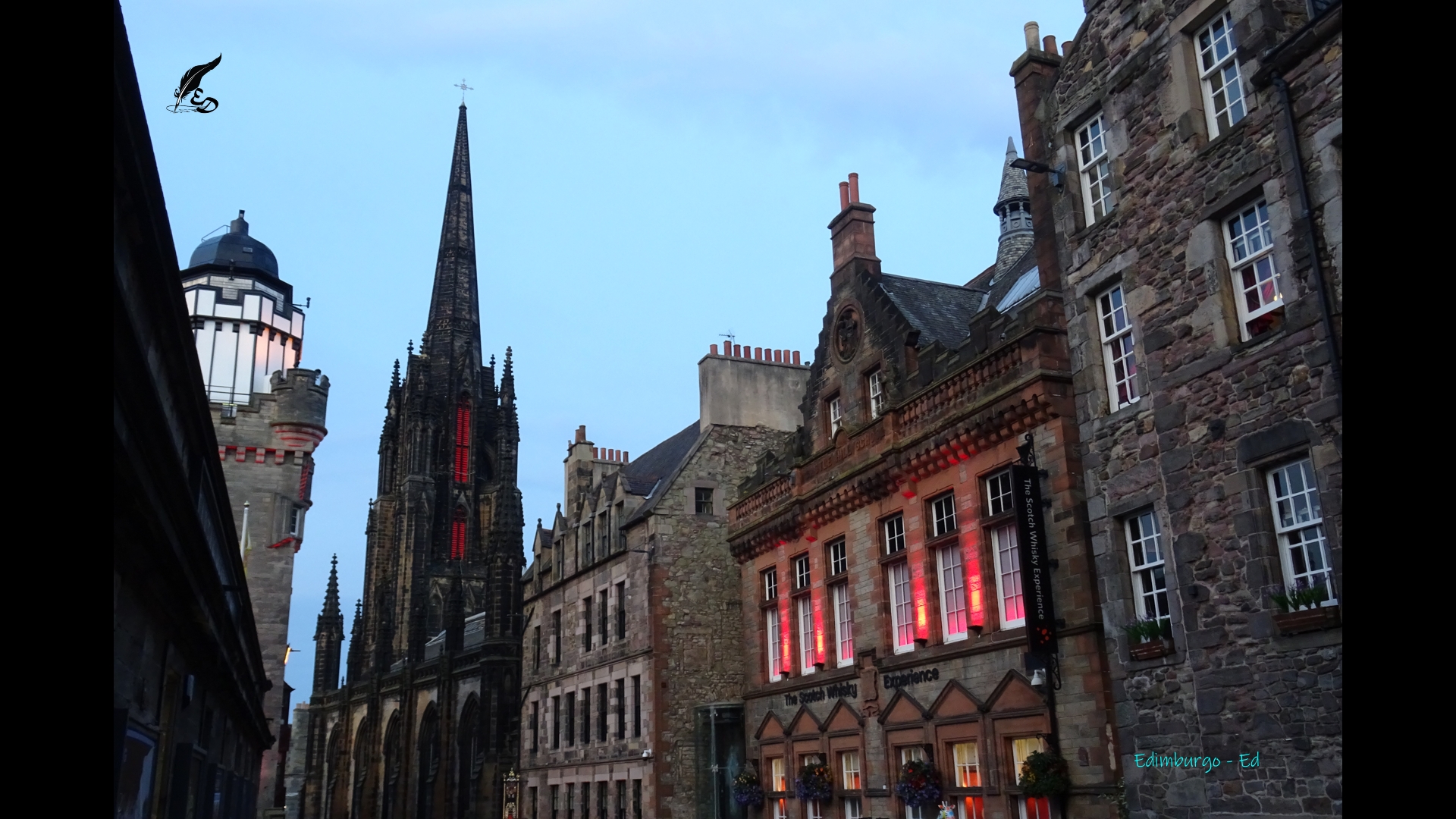
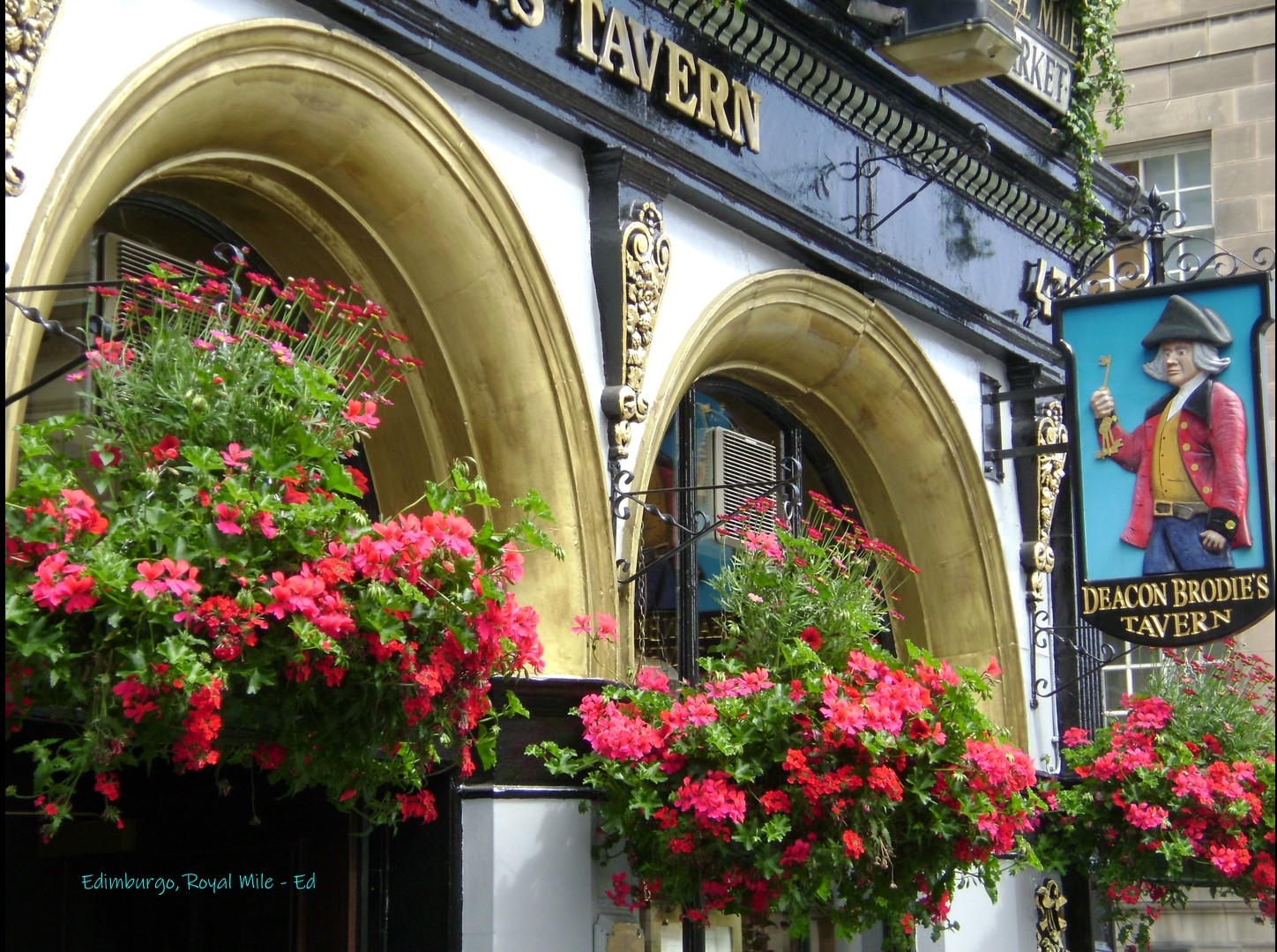
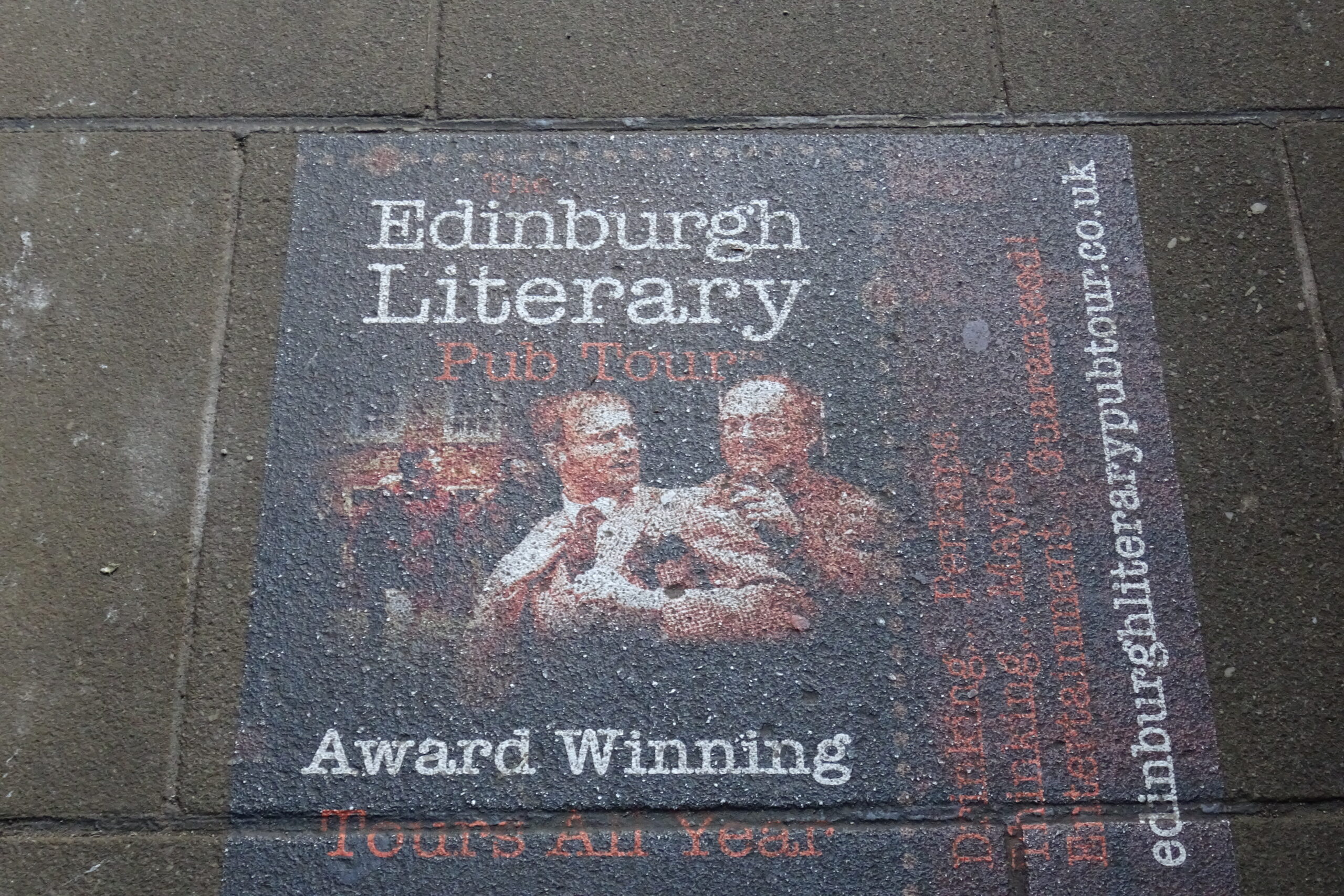
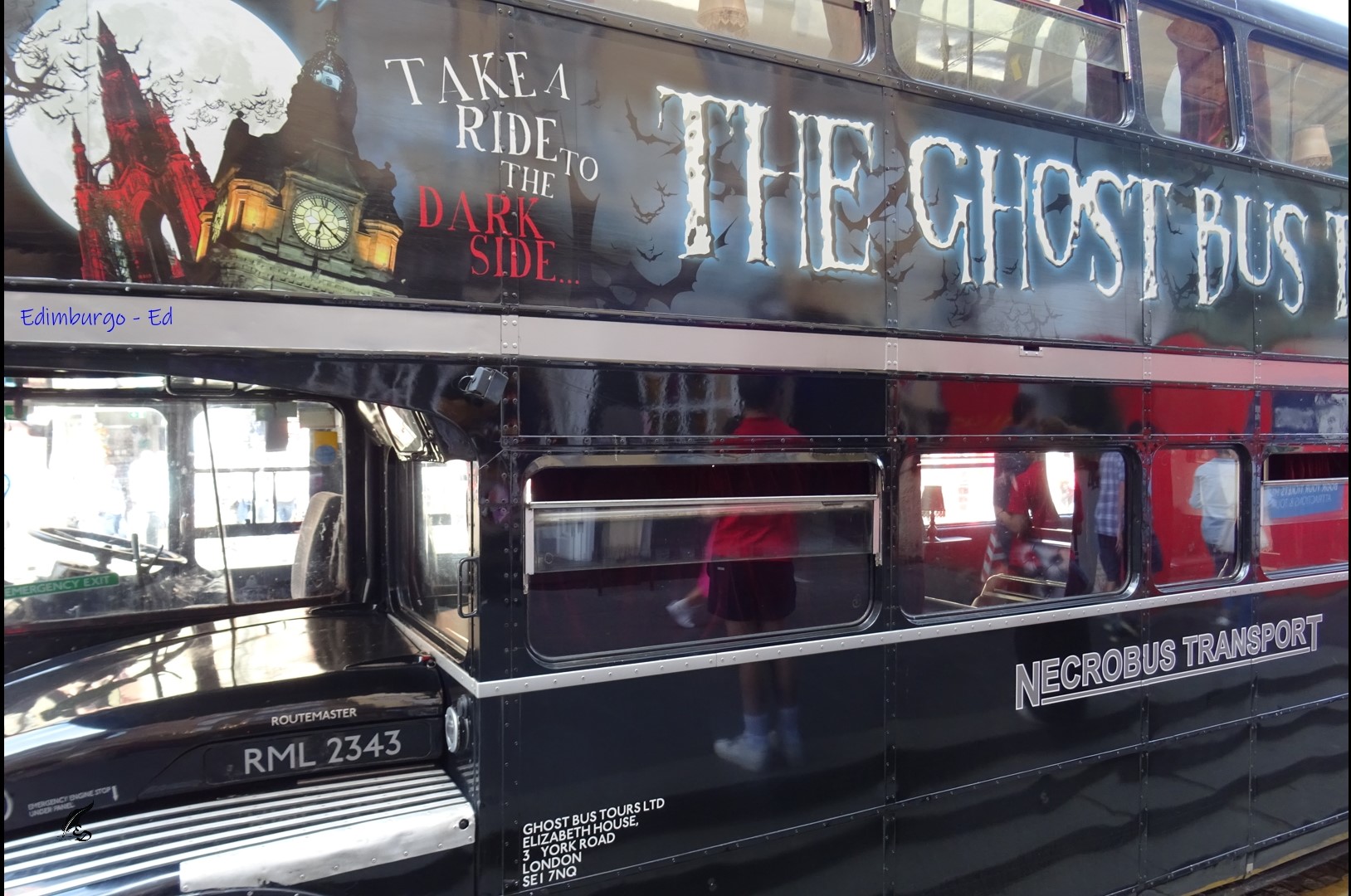
Whether it’s Mary King’s Close or a ghost tour, Edinburgh continues to fascinate and amaze us even at night. While the streets of the Royal Mile inebriate us with their sounds and chatter in the evening, even along the street – partly closed to traffic – you can find singers and musicians who will play for free in exchange for a donation or the purchase of their CD. But it’s after 8:00 PM that everything changes. Long shadows accompany confusing whispers, characters from the past act as our guides, and so it is that through the city streets, on foot or on a dedicated bus, we retrace the history of this extraordinary country. Mary King’s Close – which opens in the morning – allows a detailed tour of part of the city’s underground, towards Cowgate. These are abandoned cellars and alleyways, converted into shelters or dwellings where, in the 18th century, part of the population lived and worked in appallingly hygienic conditions. A veritable underground city, on whose “roofs” today stands the Edinburgh City Chambers, or rather, the town hall. Nearby is the pub named after Deacon Brodie, a carpenter by day and thief by night whose double life seems to have inspired Stevenson’s Jekyll and Hyde and, again using the hypothetical form, he apparently escaped by crossing the area of Mary King’s Close.
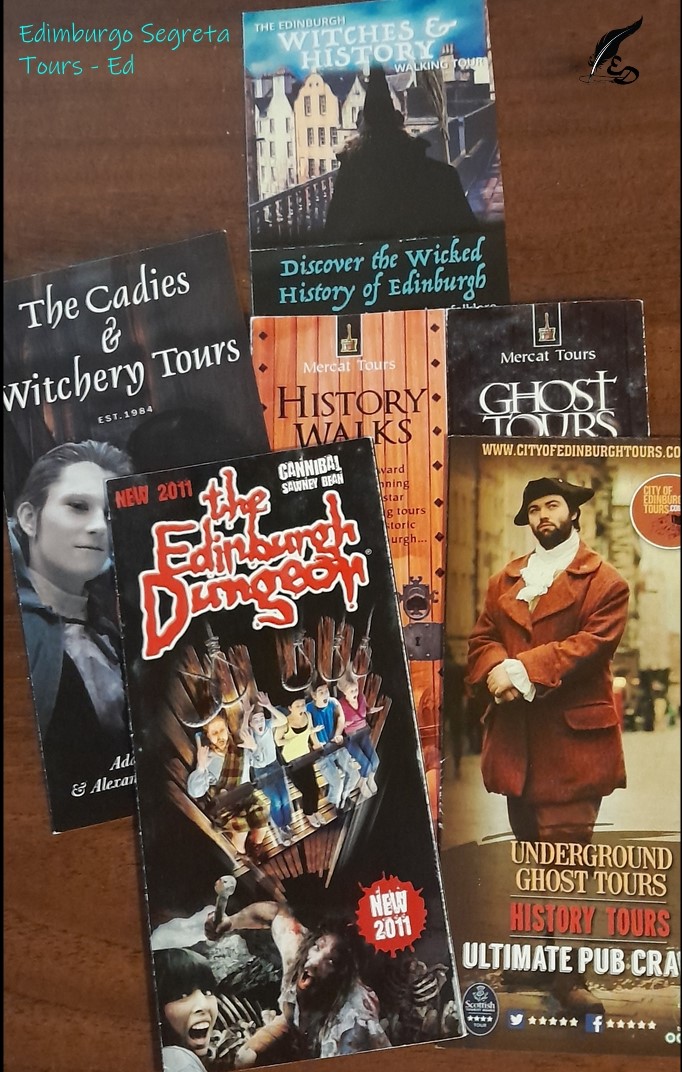
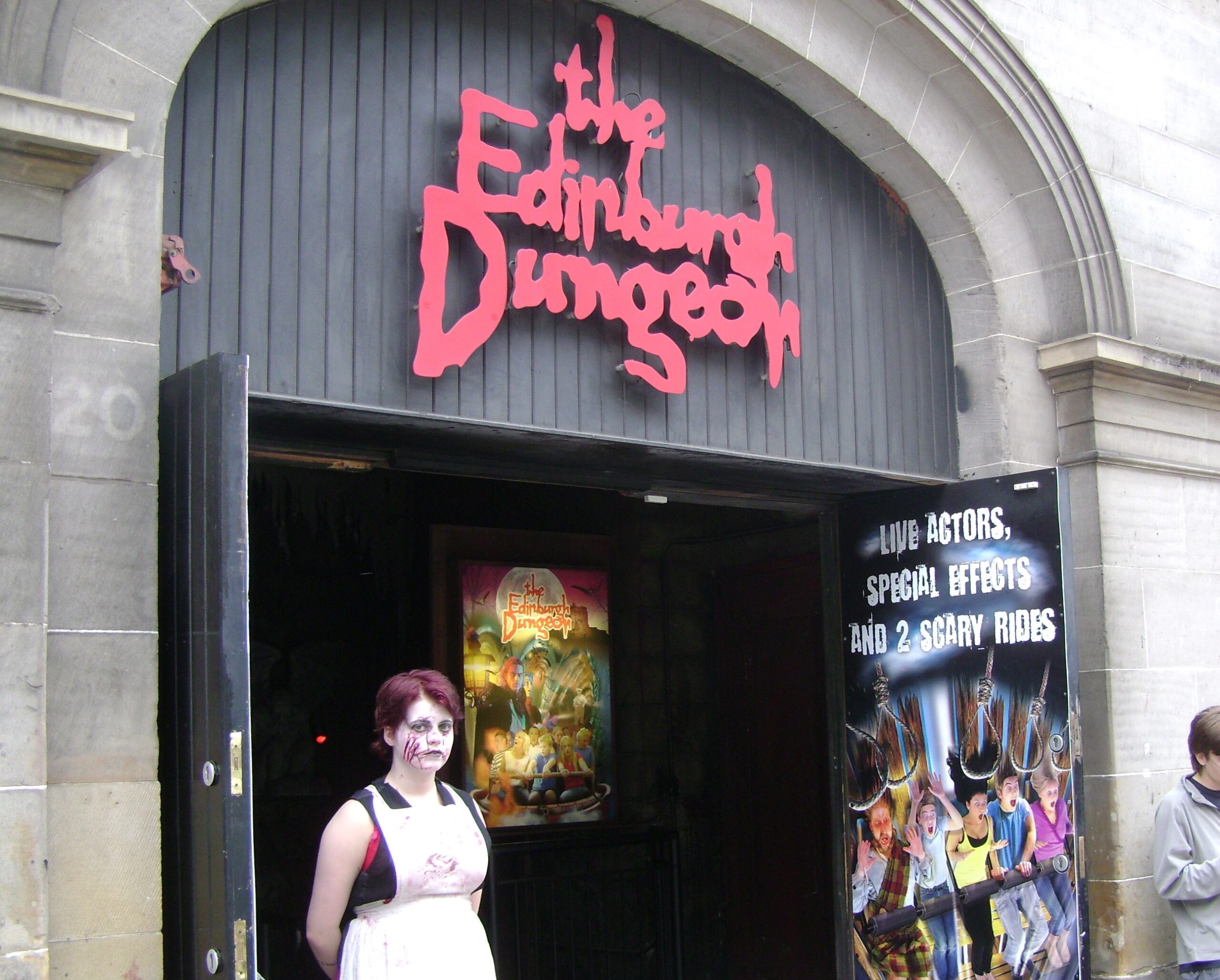
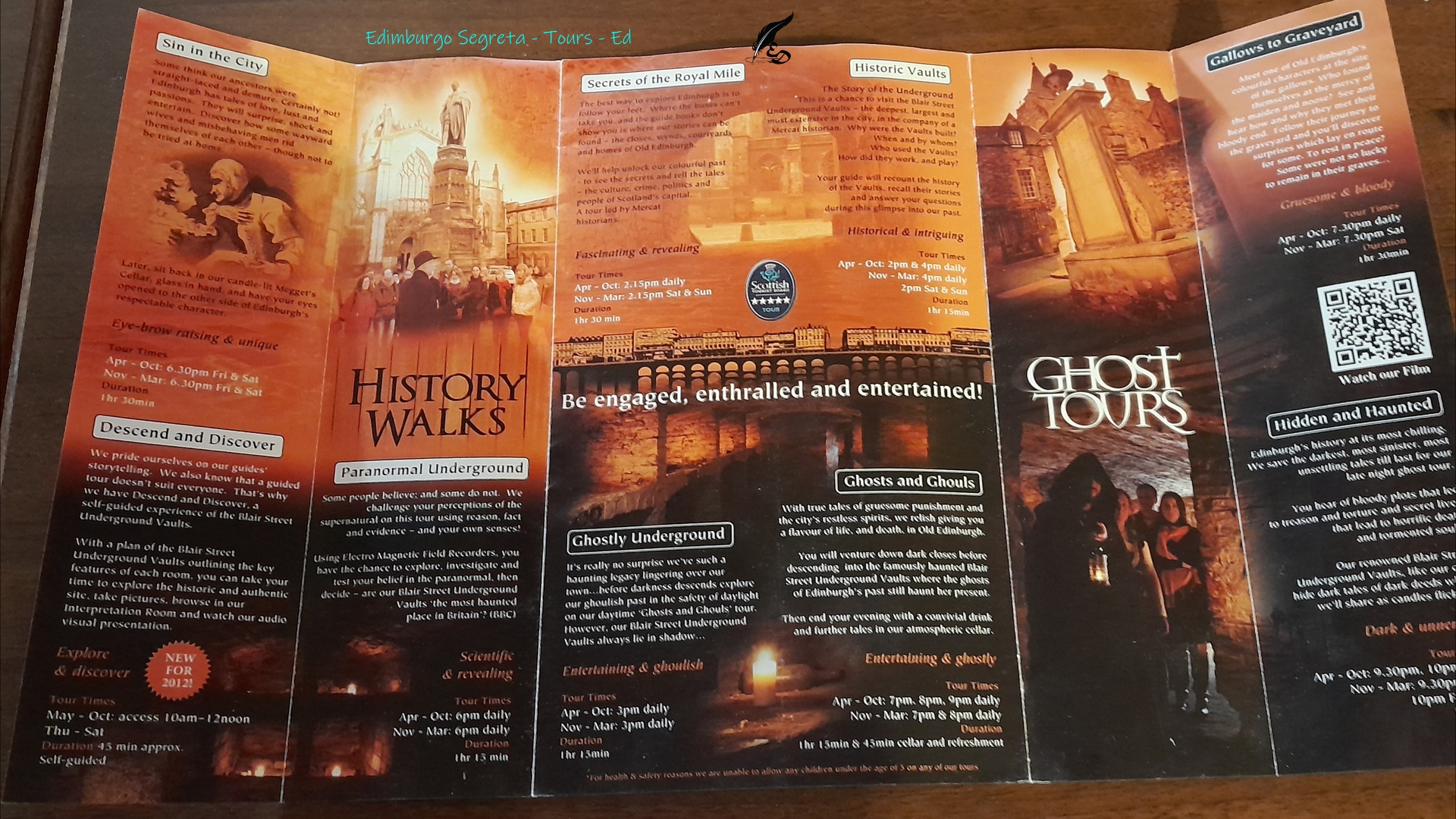
Entering the Edinburgh Dungeon, on Market Street, we once again combine the charm of the past with a historical foundation, for a 70-minute show performed by actors wearing period makeup and costumes. The show features a horror theme and special effects. Topics covered include torture, the acts of Burke and Hare, the history of the city’s underground, and much more. In addition to the tour, you can purchase merchandise at the attached shop.
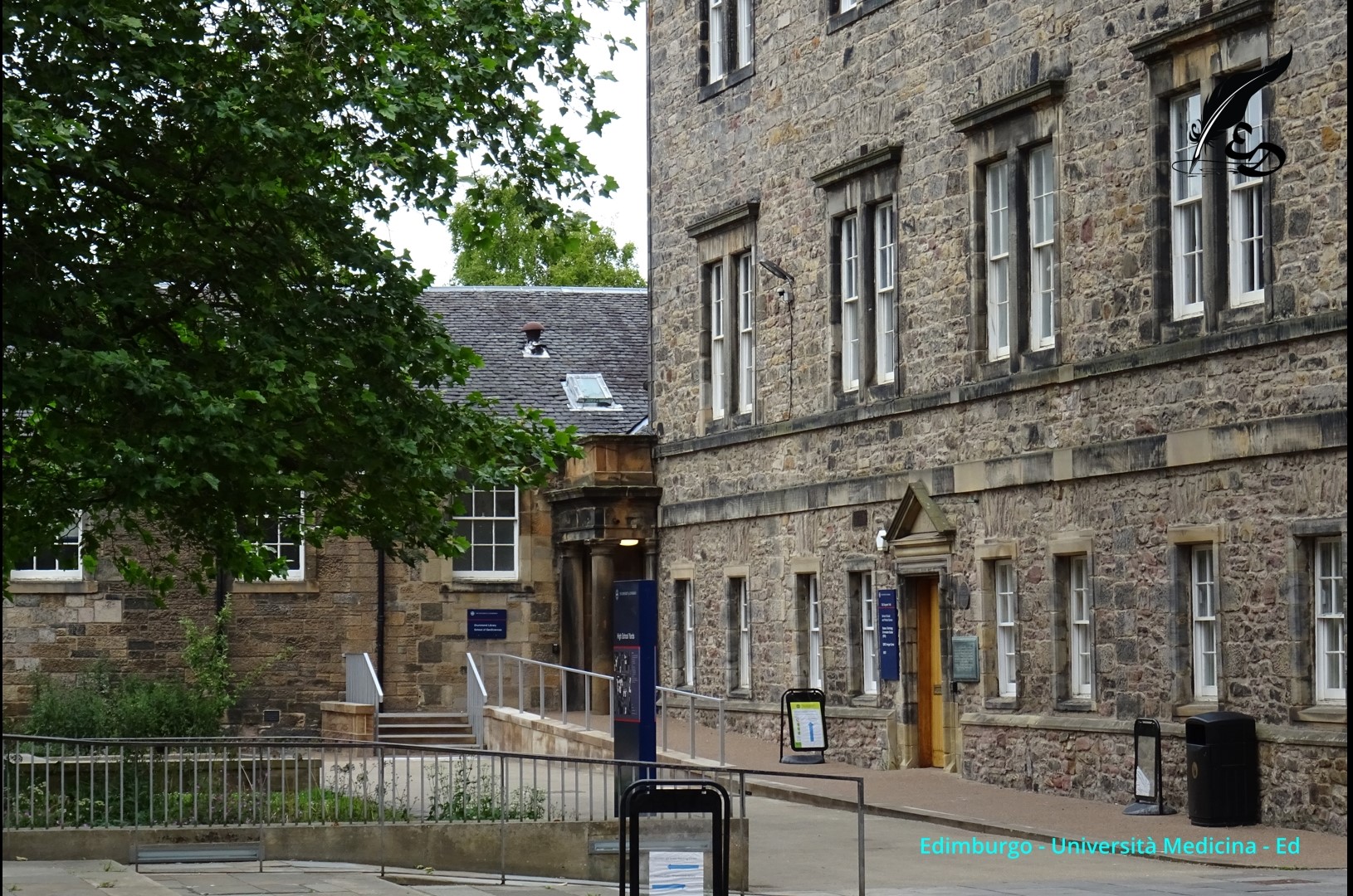
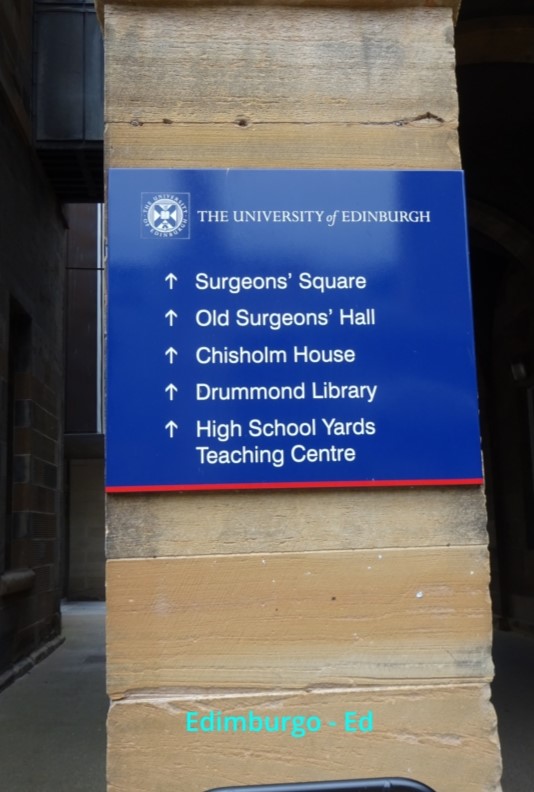
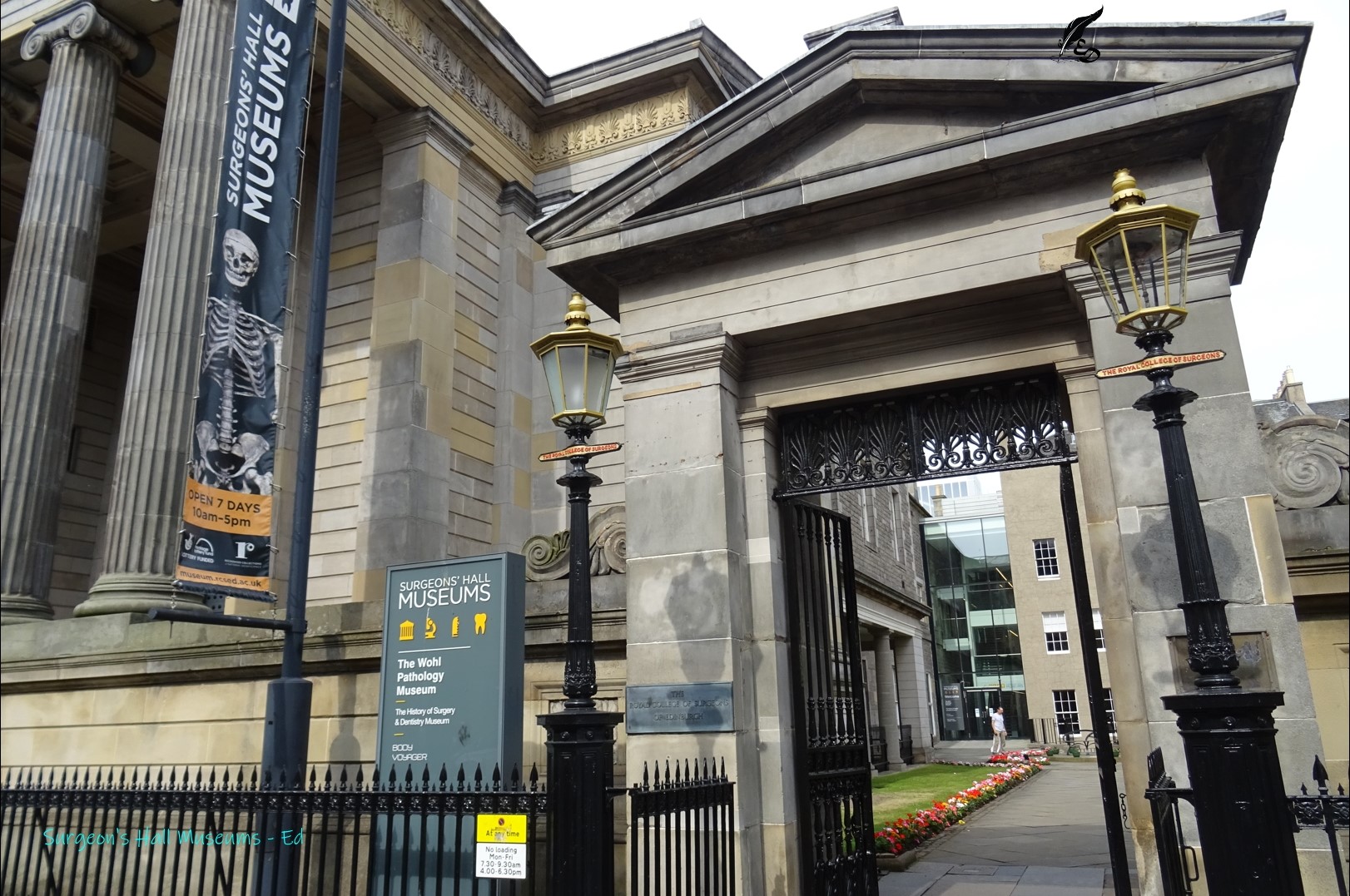
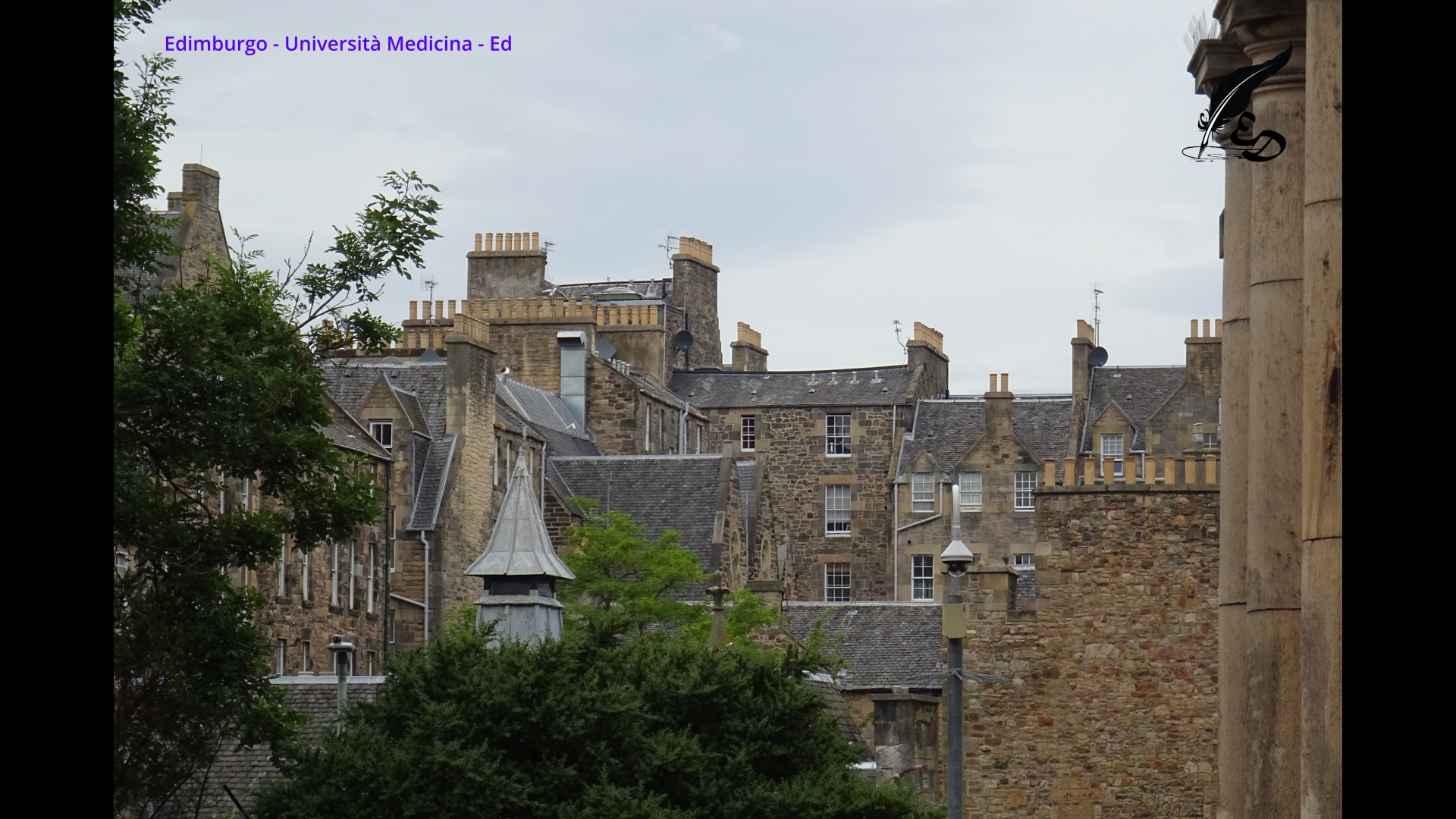
On the historical, yet dark theme, below I’ve included some photos of the University of Edinburgh—where, among others, Sir A. Conan Doyle, the wonderful author of Sherlock Holmes, and Robert Louis Stevenson, whom we discussed in the space dedicated to the Writers’ Museum, studied—and the Museum of Surgery. The first experiments on corpsthat gave birth to medicine—procured by professional assassins like Burke and Hare (mentioned in the museum) and their relationship with Dr. Robert Knox, to whom they then resold them—was a very common modus operandi, alas, at the time. The Surgeon’s Hall Museums is one of Scotland’s oldest institutions, as well as an exhibition on 500 years of surgical history and some creepy collections. It’s about a 5-minute walk from the Royal Mile. For those interested, there is a plaque at No. 11 Picardy Place marking the birthplace of Sir A. Conan Doyle.
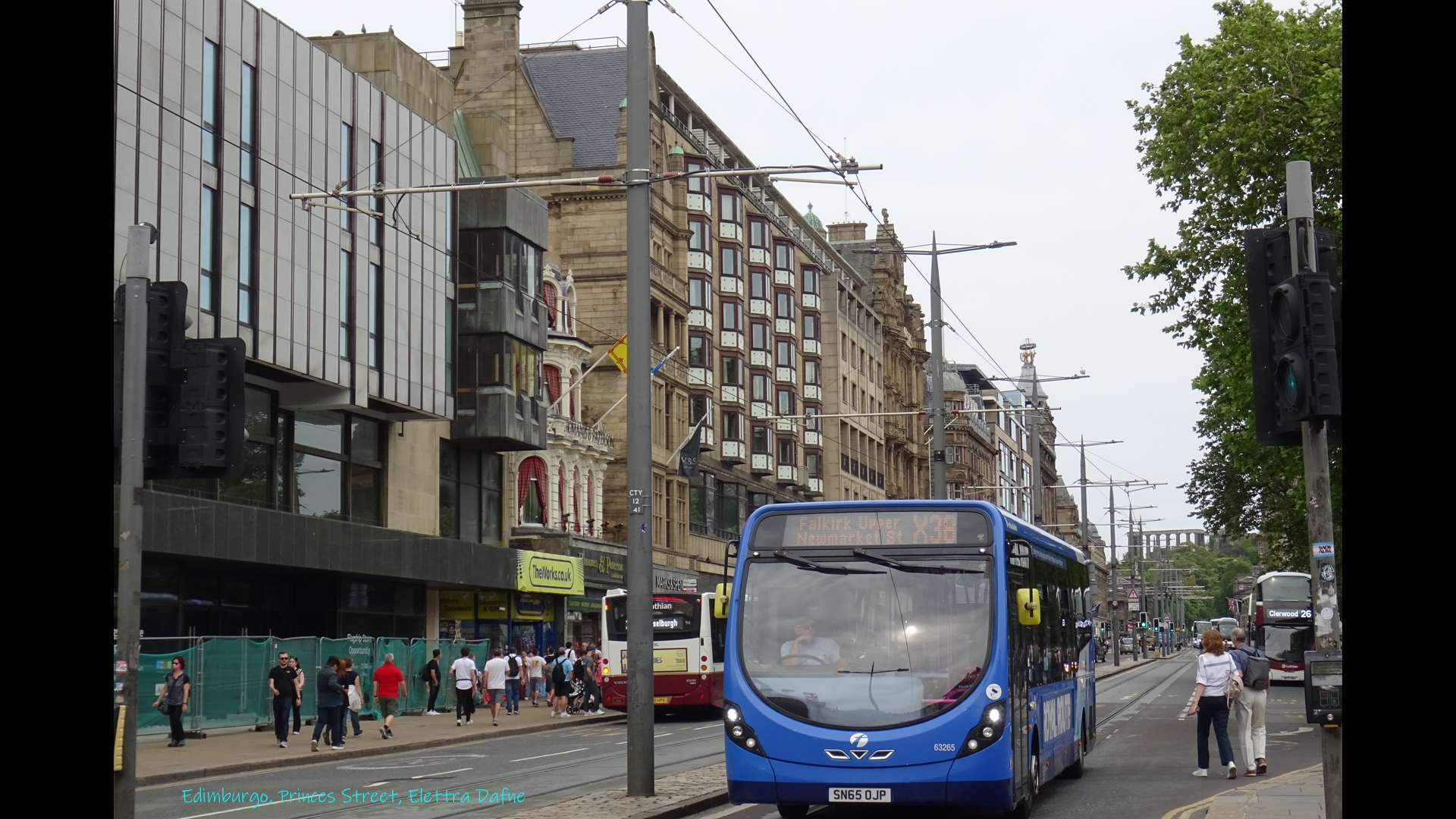
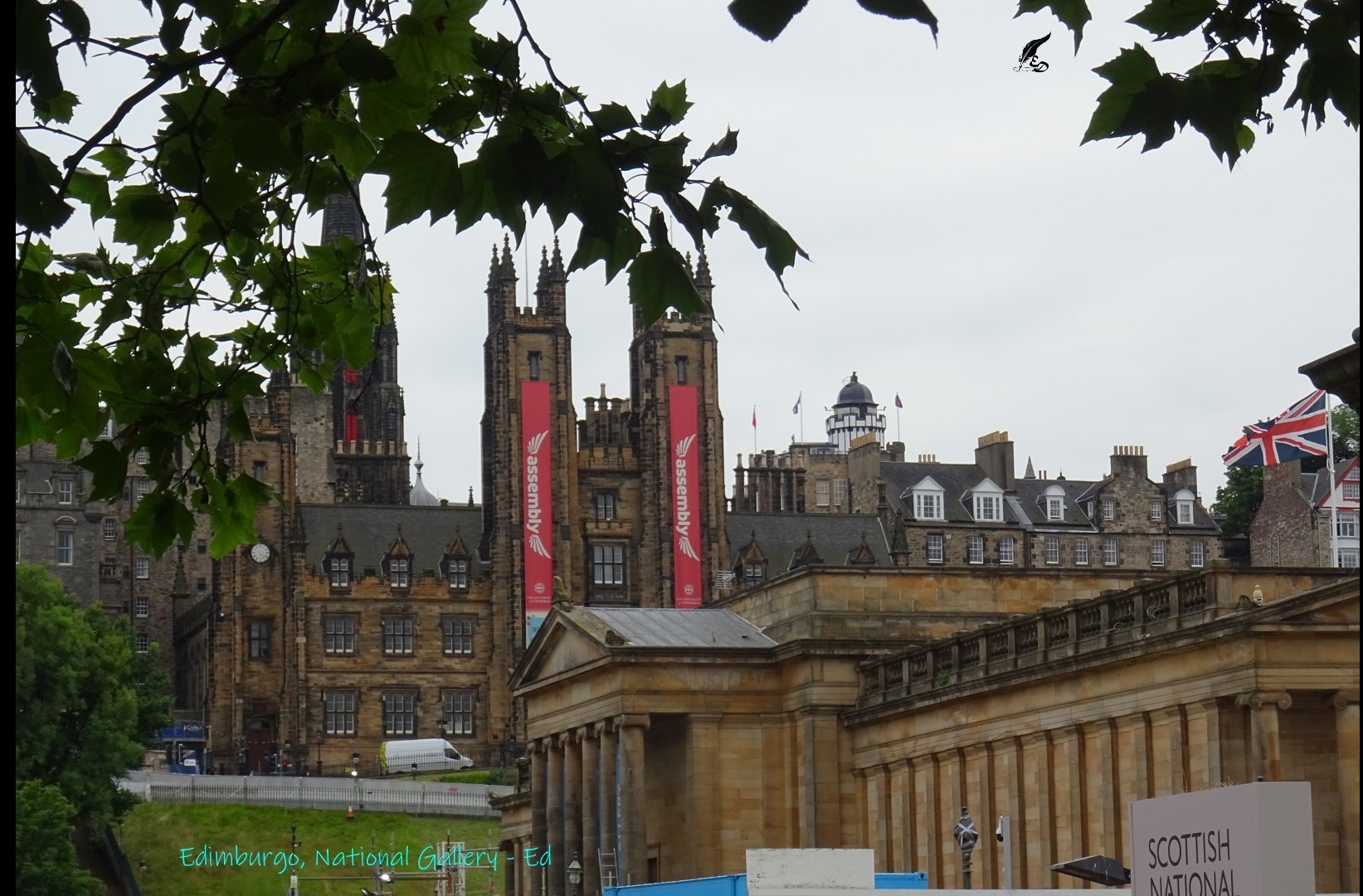
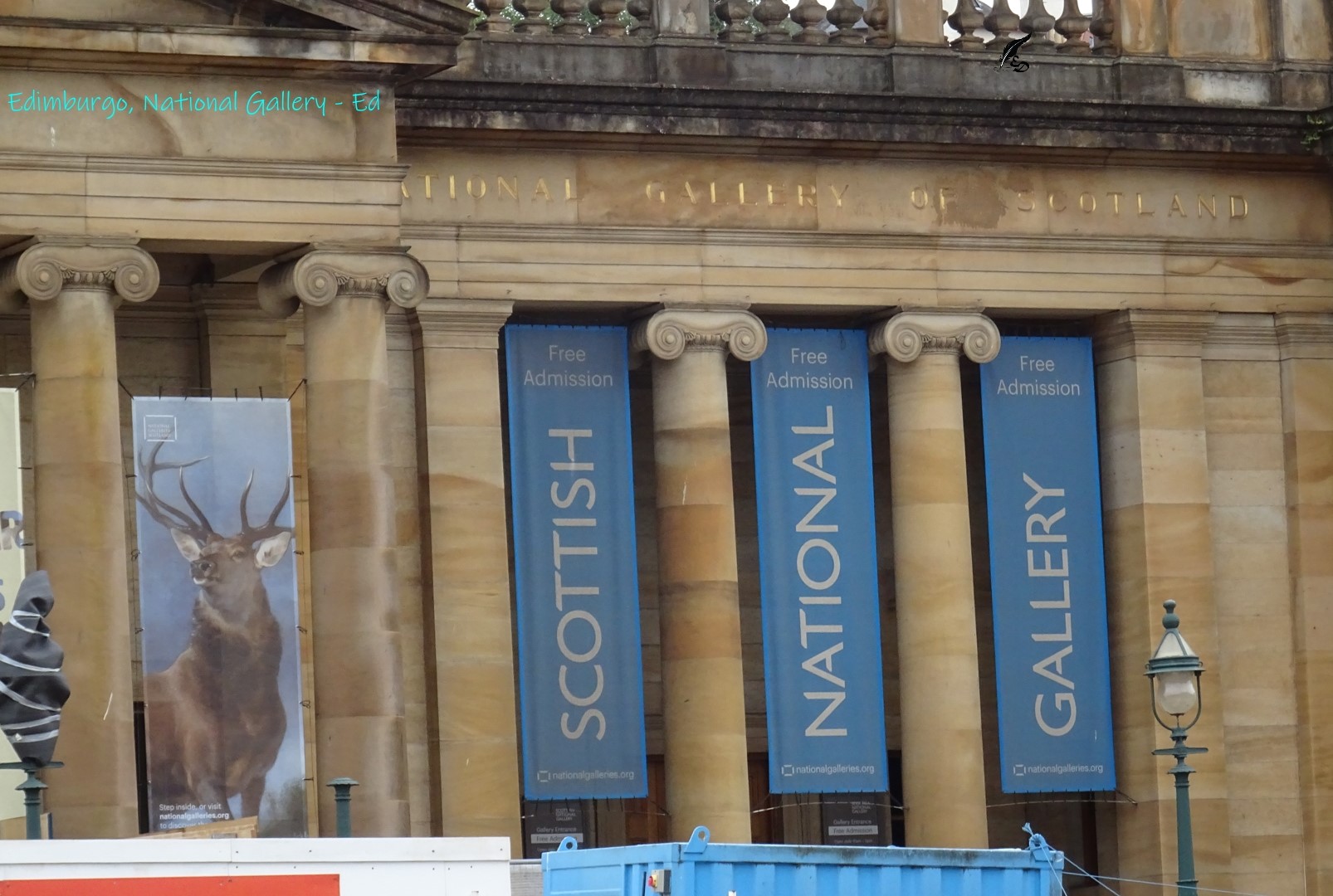
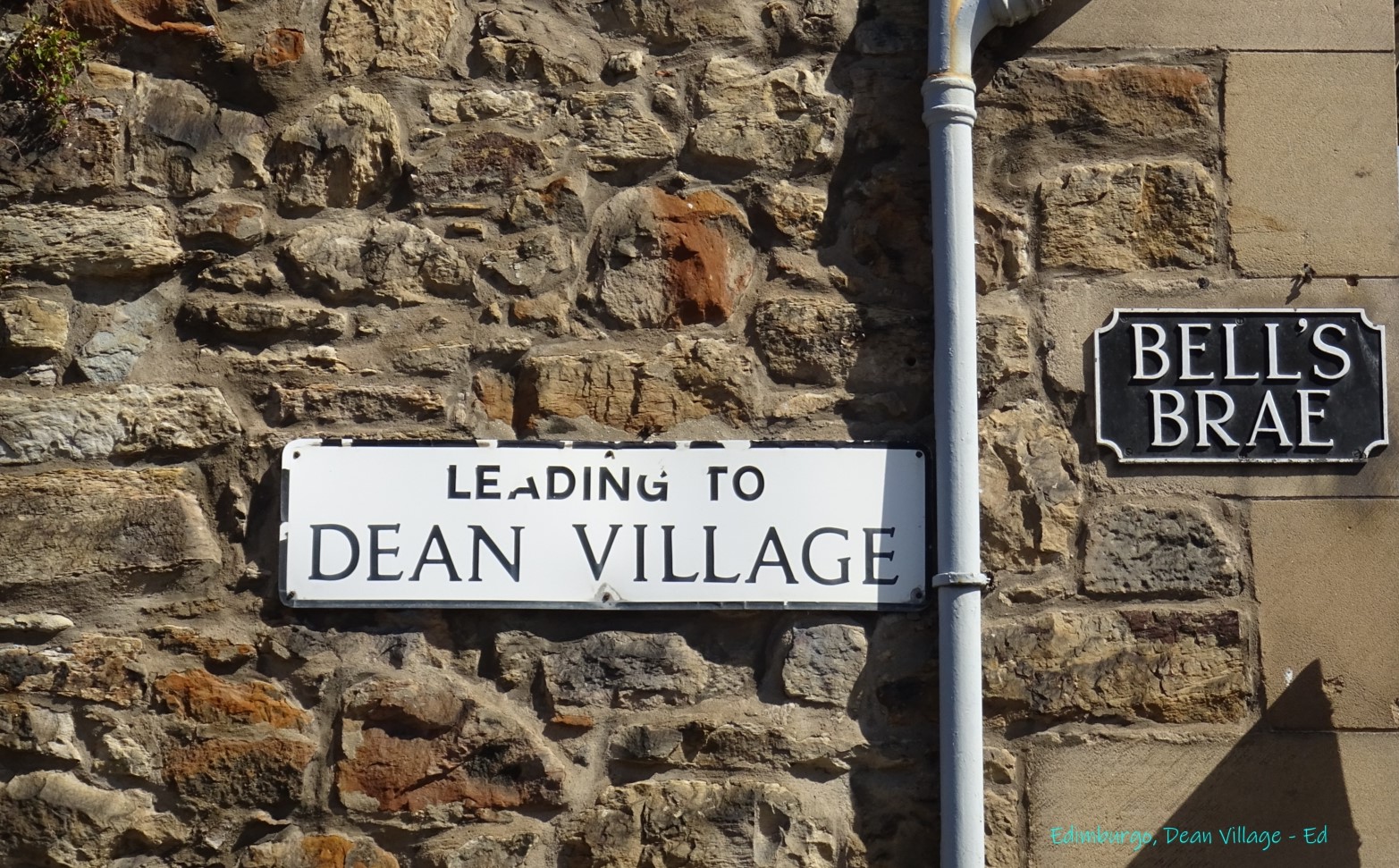
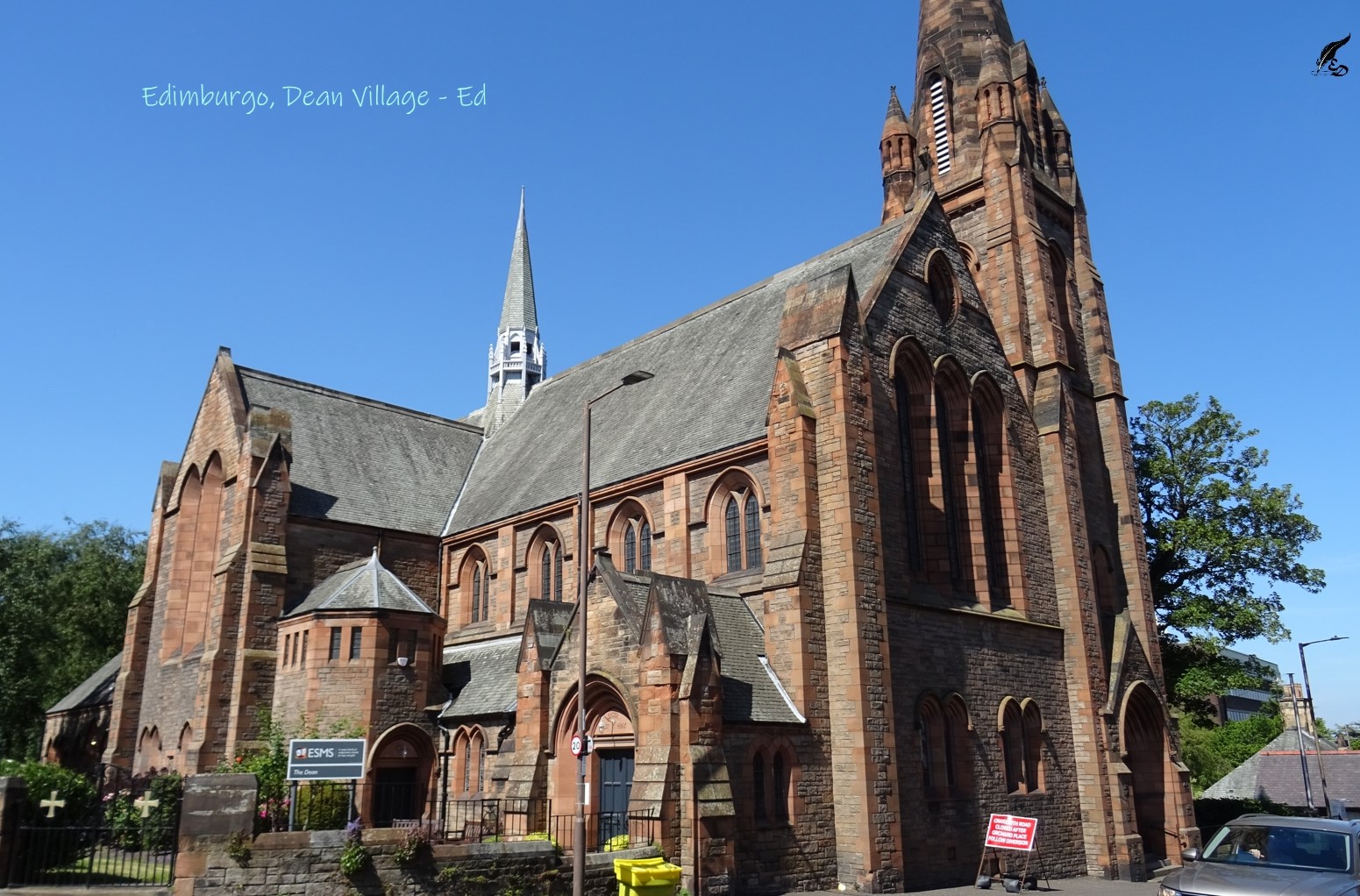
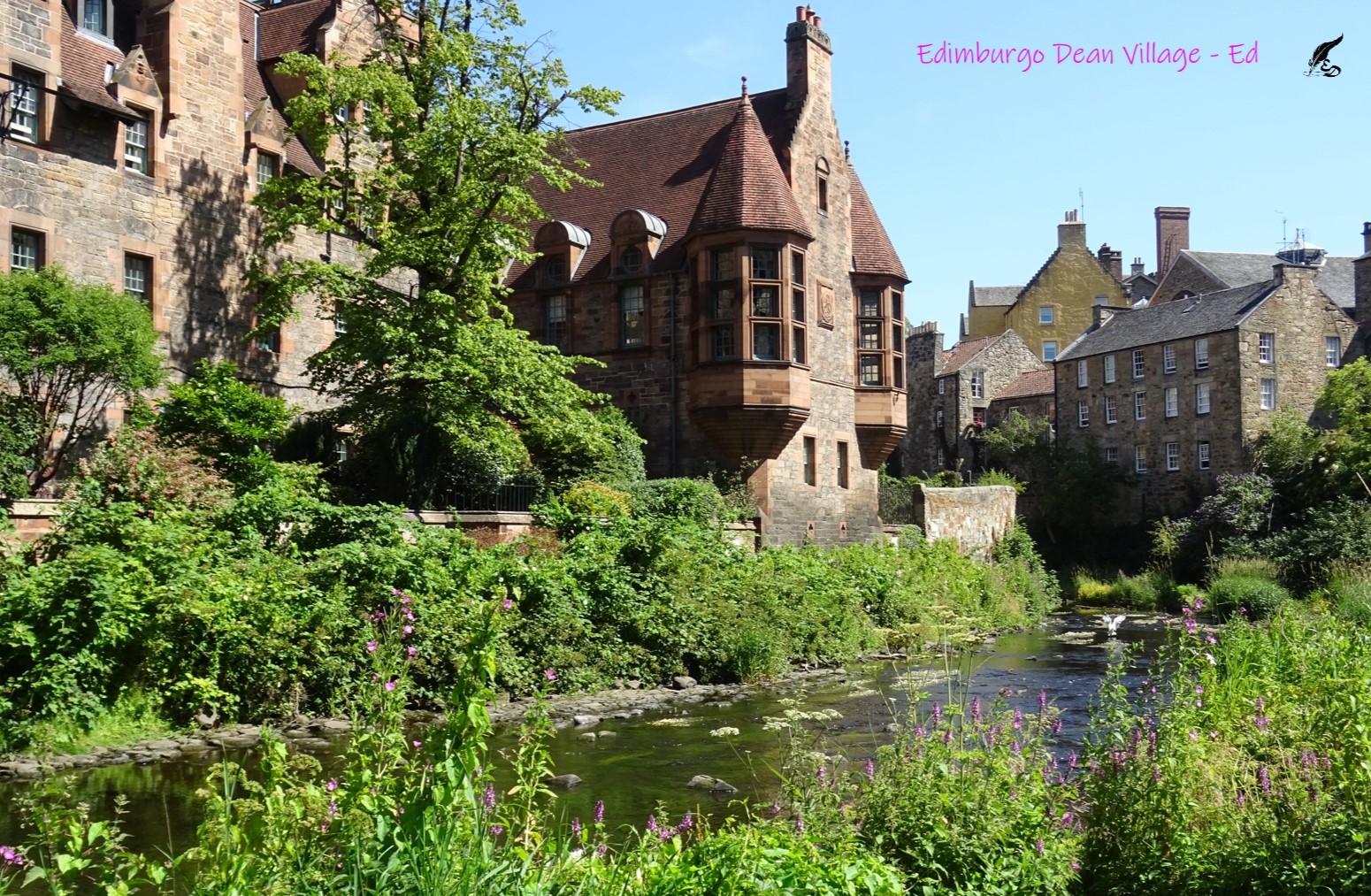
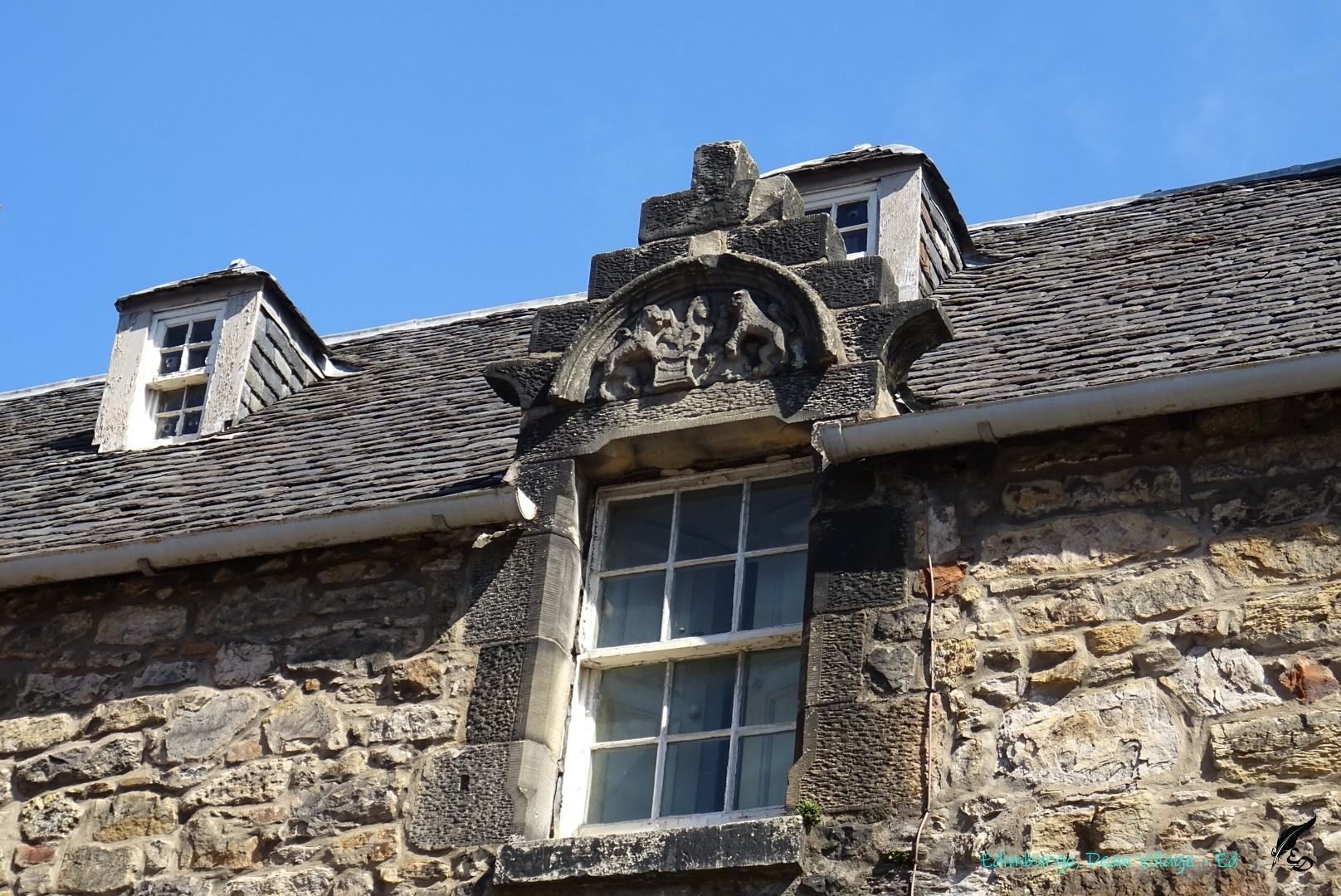
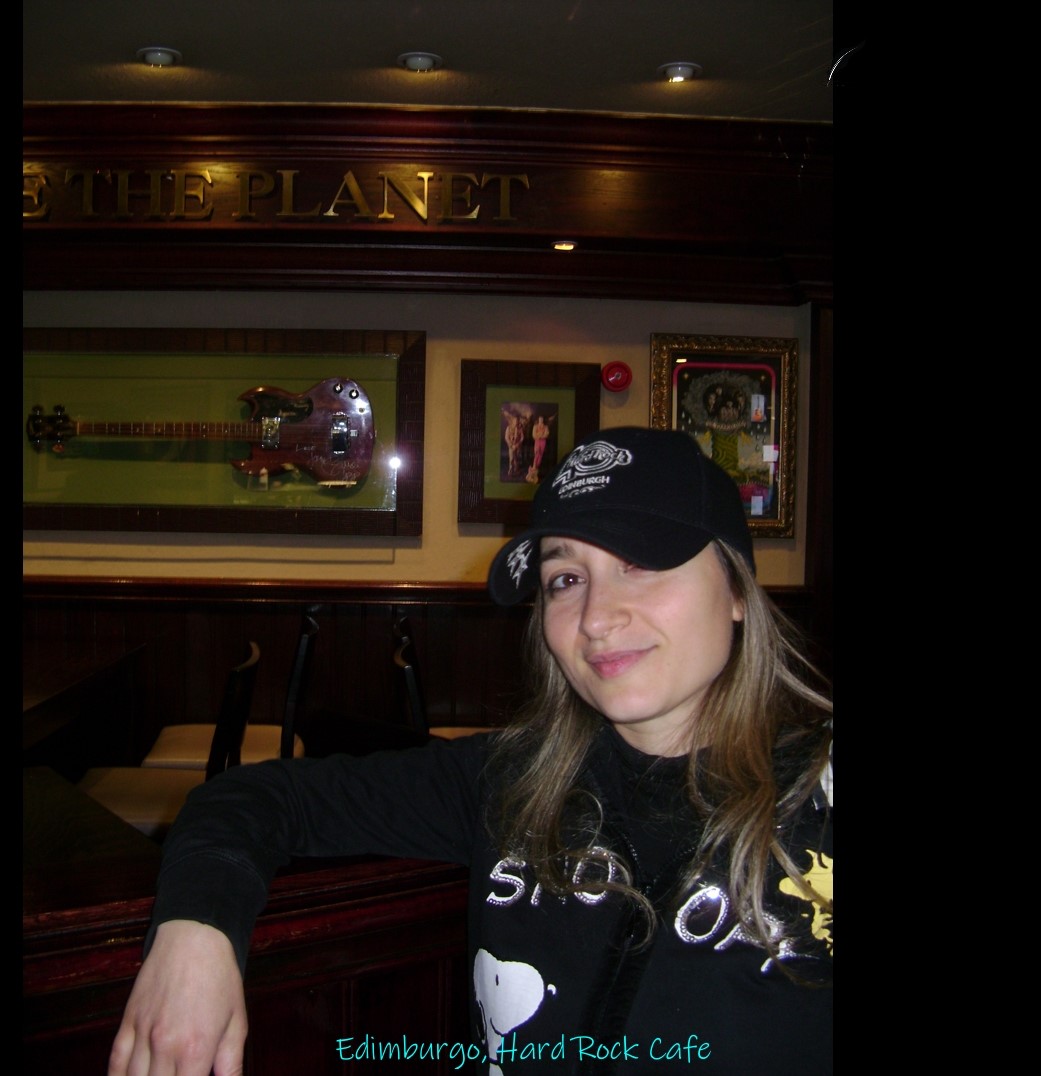
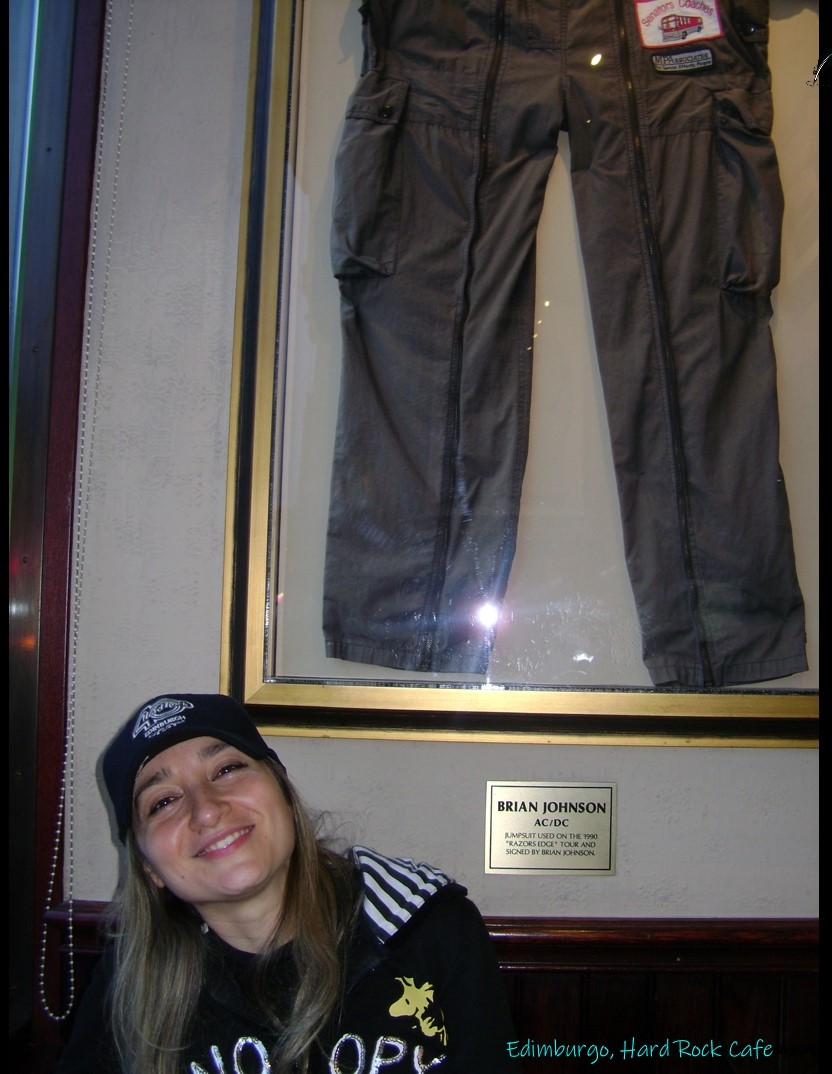
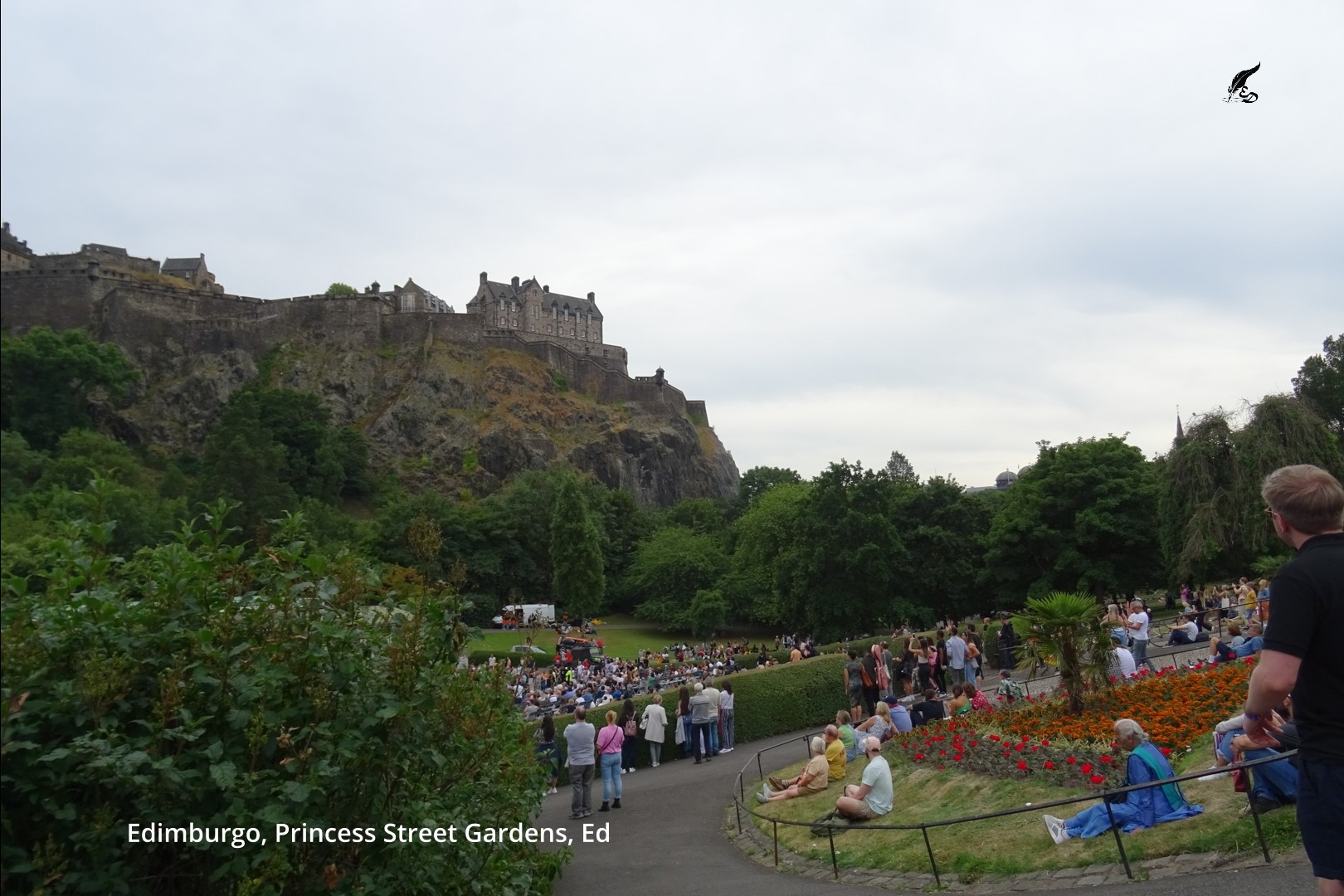
New Town. Princes Street, the gardens, the National Gallery, the Hard Rock Café, and Dean Village. Let’s start with Princes Street. Built in the 18th century, to talk about this “new” part of the city, let’s start with Charlotte Square. Characterized by Georgian and neoclassical styles, it is considered by many to be the first extension of the city beyond the Old Town, as well as the “home” of the International Book Festival, which takes place during the second half of August in its gardens. During this festival, you can attend seminars and meetings with authors or purchase books in the dedicated bookshops. I was personally pleased to note the truly remarkable influx of people. From this square extends George Street (parallel to P.S.), which, together with Queen Street and Rose Street, forms the heart of the New Town. Not far away, at 39 Castle Street, is the former home of Sir Walter Scott. While the northern end of Princes Street offers clothing, food, and souvenir shops, the gardens separating it from the Royal Mile become one of the venues for the Jazz and Blues Festival, which enlivens the capital for ten days and concludes with the Carnival parade. For music lovers, about a ten-minute walk from Charlotte Square along George Street, we find the Hard Rock Café, where you can spend a lively evening enjoying food, beer, and the many curiosities displayed on the walls. Less than ten minutes’ walk from Queen Street brings us to the unique gem known as Dean Village, whose houses overlook the river.
Invia commenti


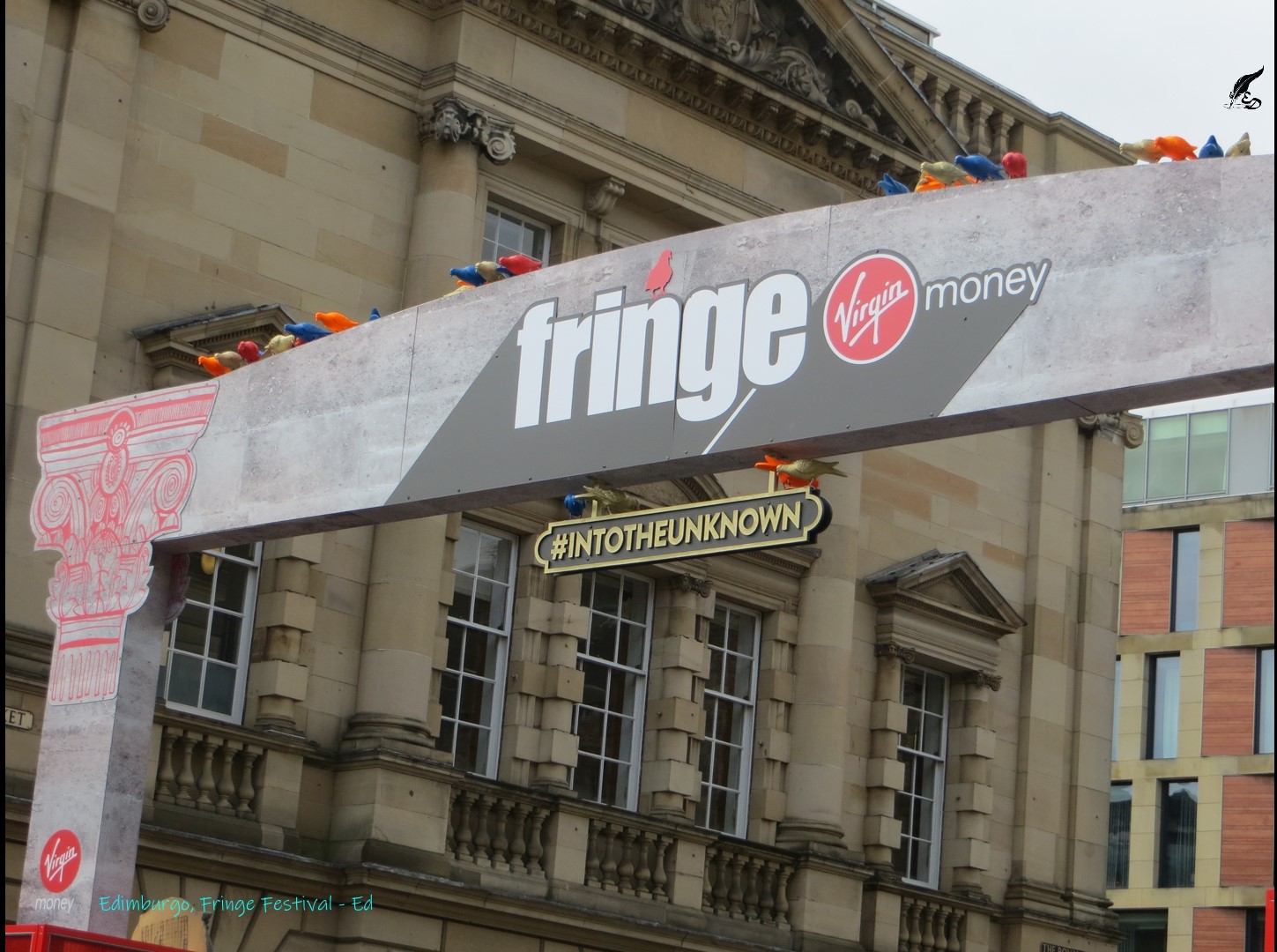
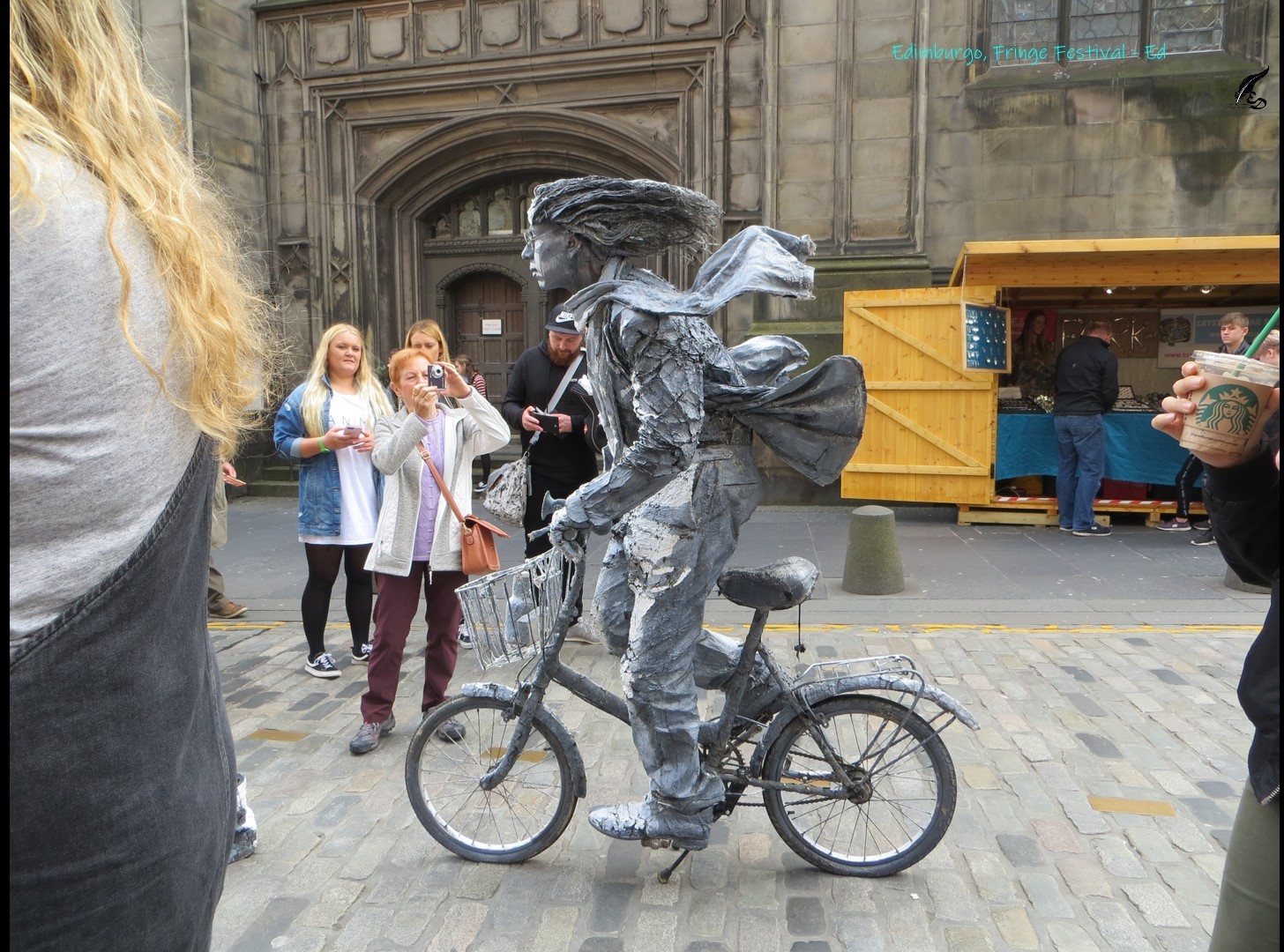
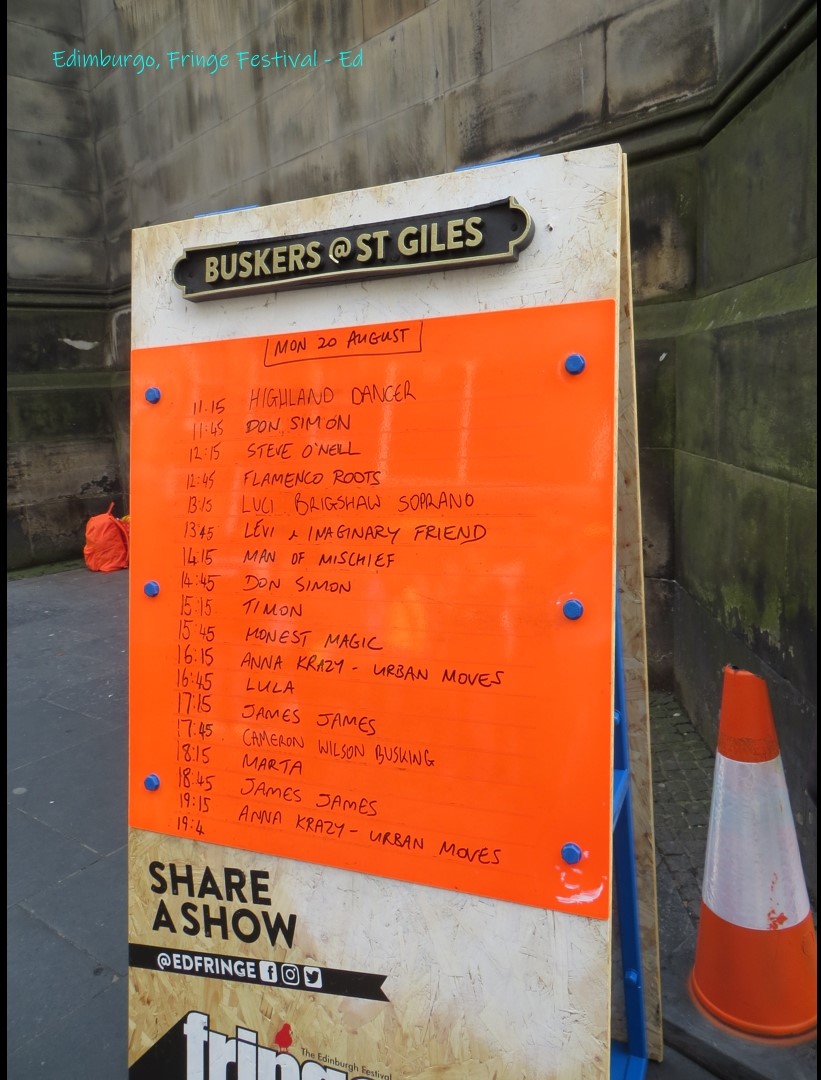
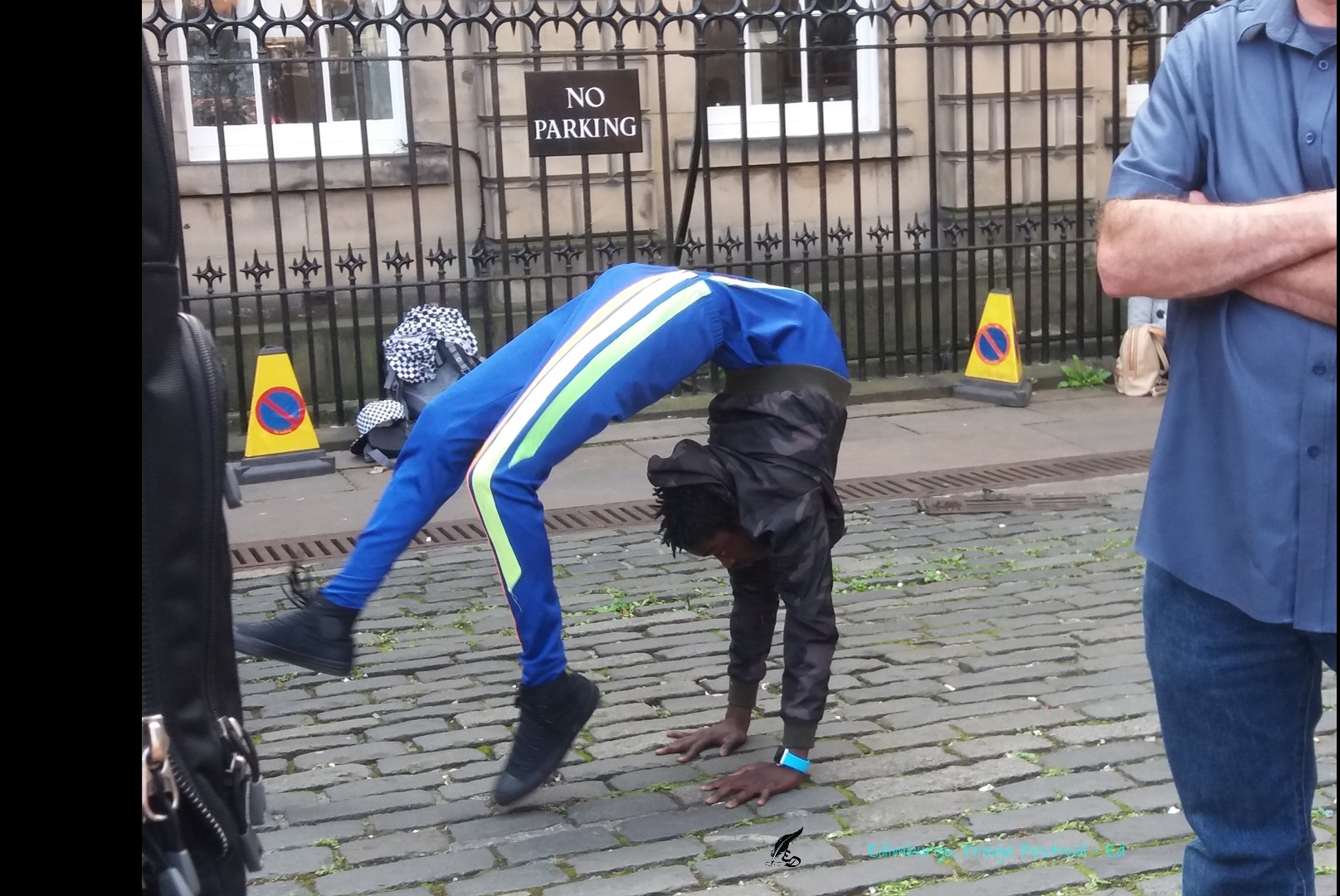
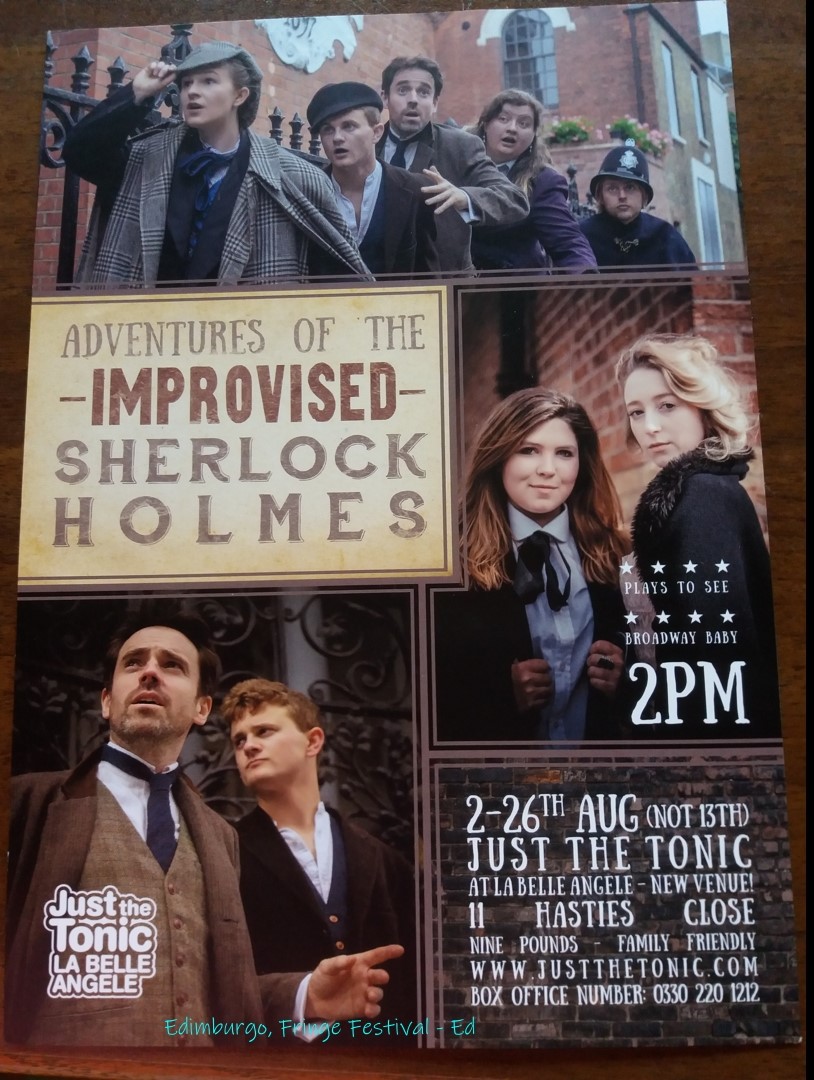
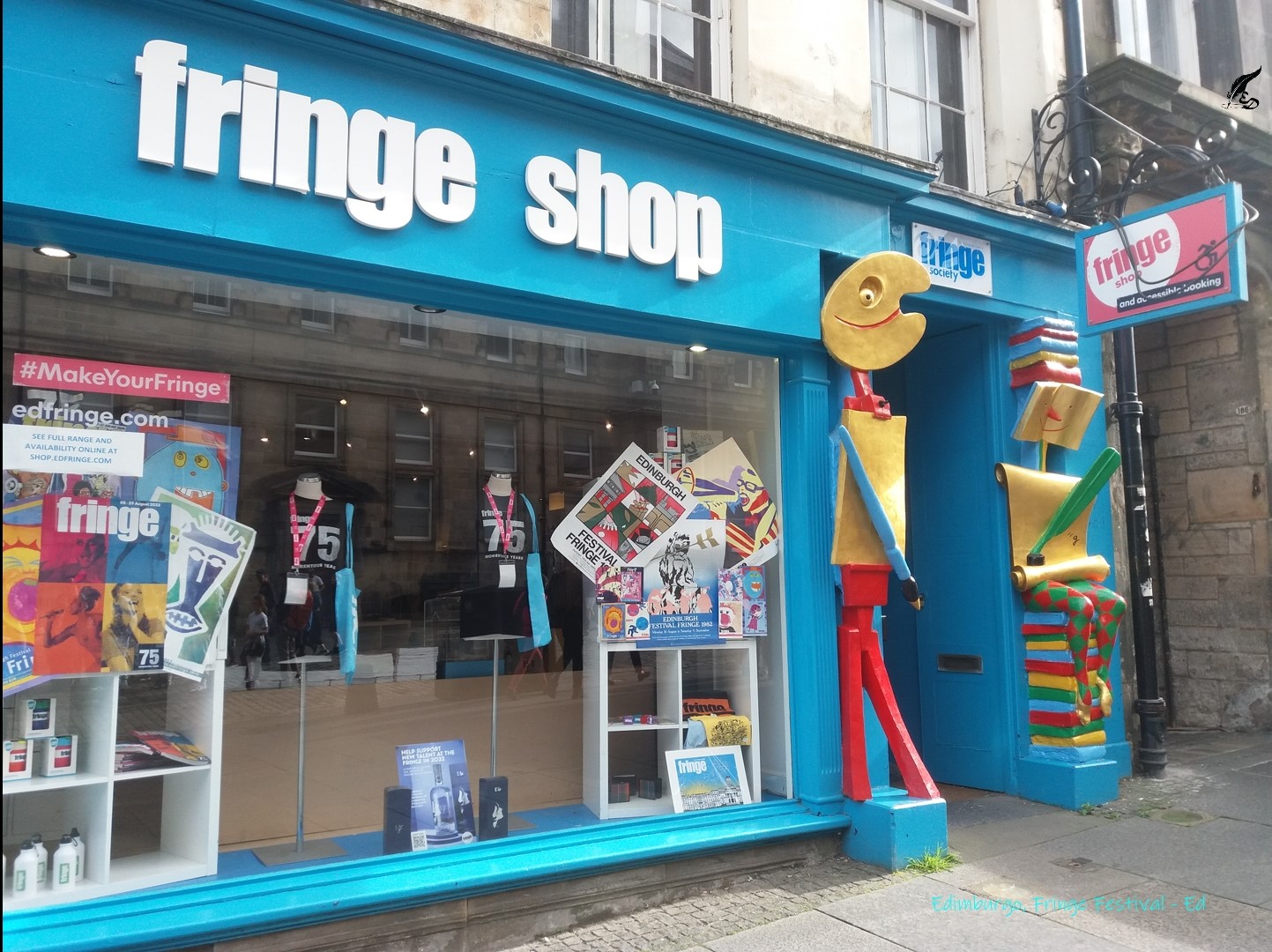
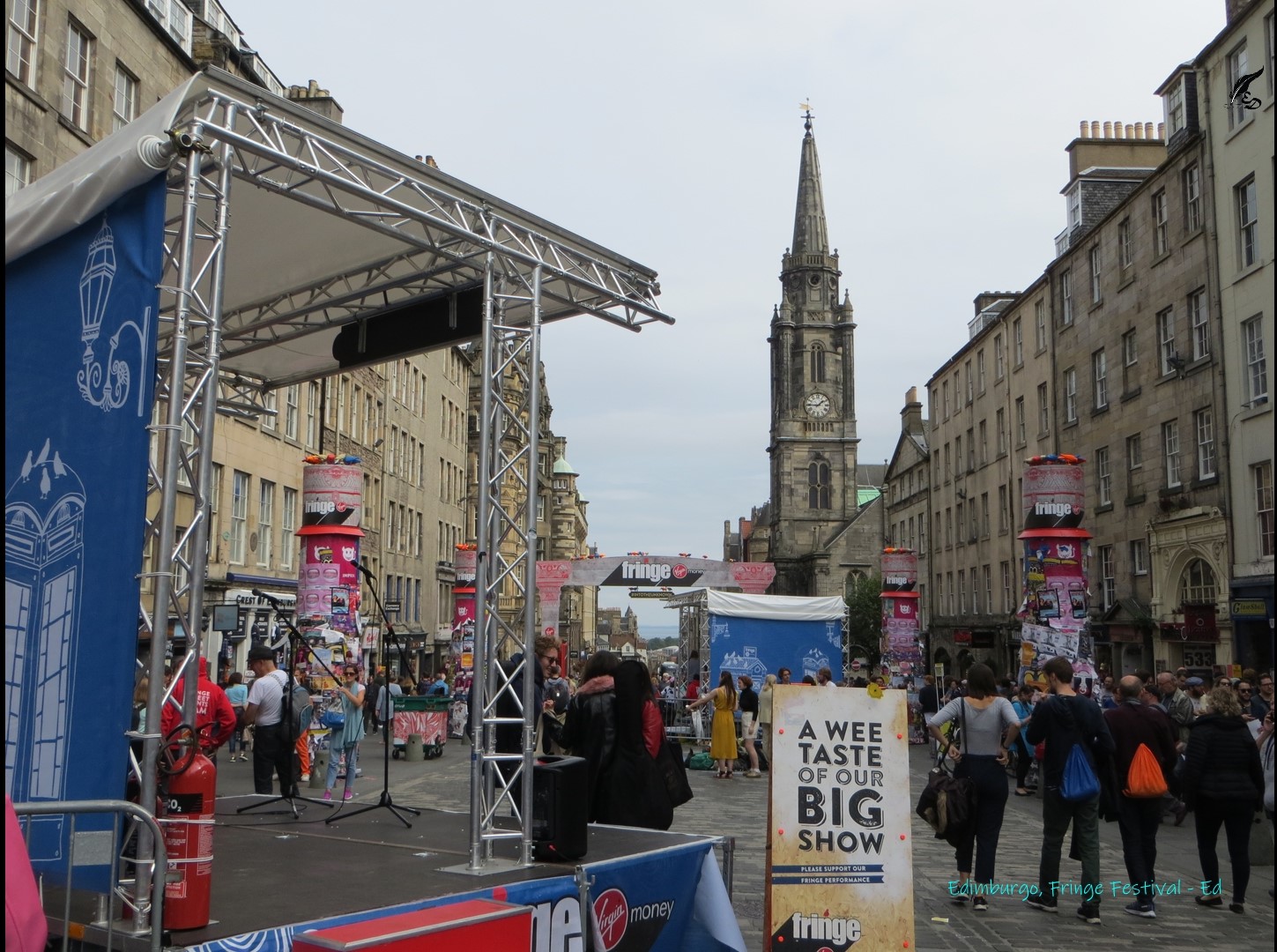
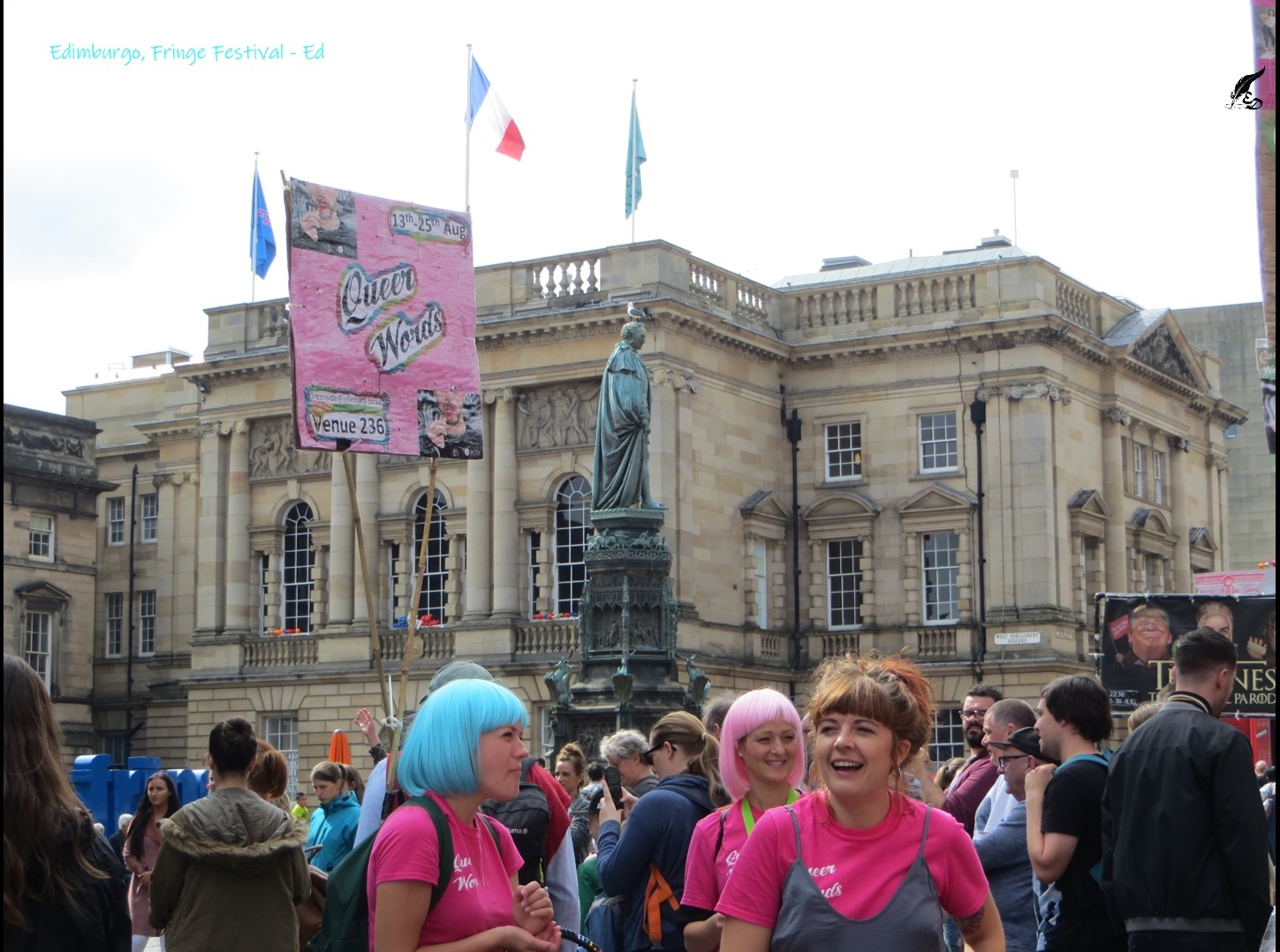
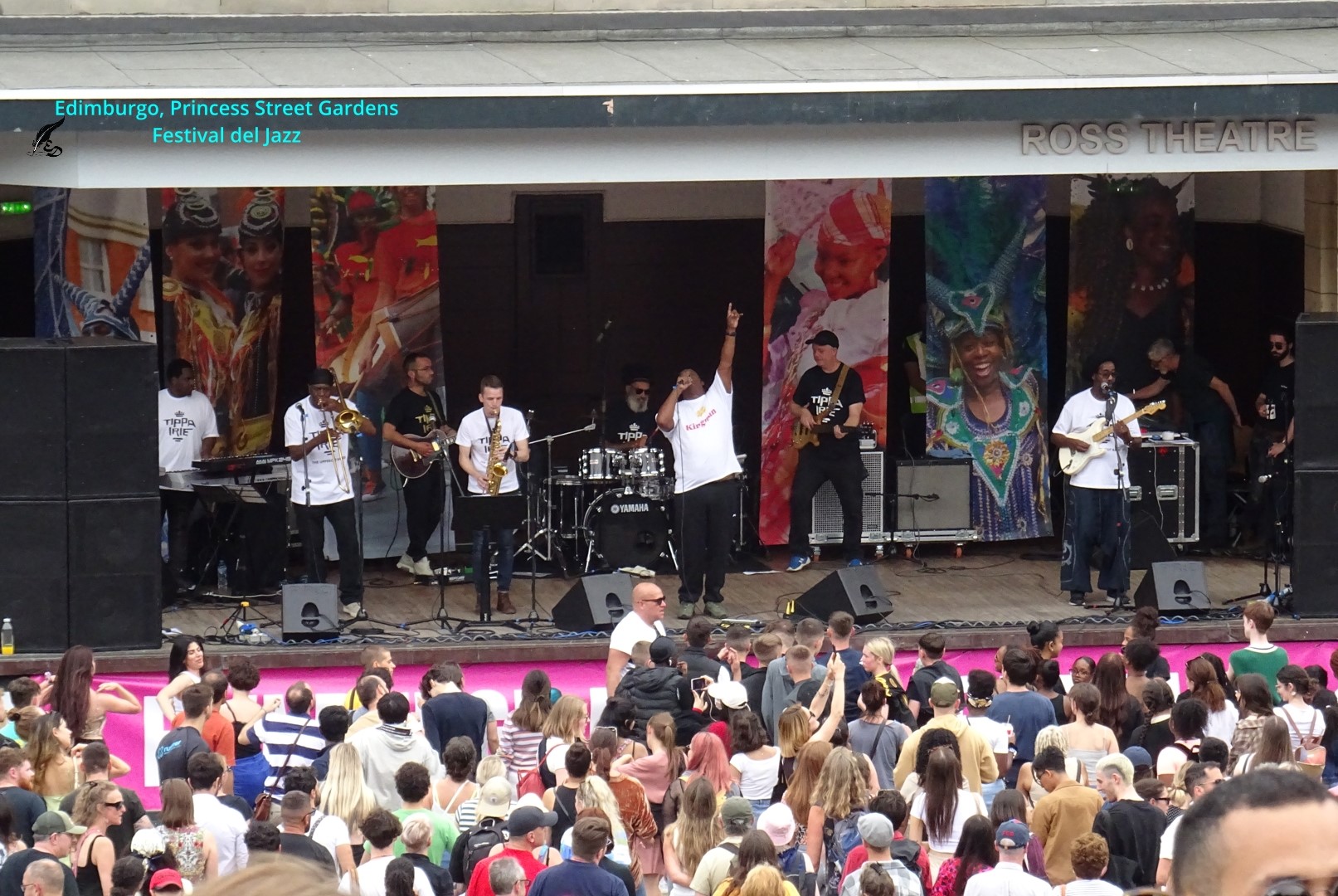
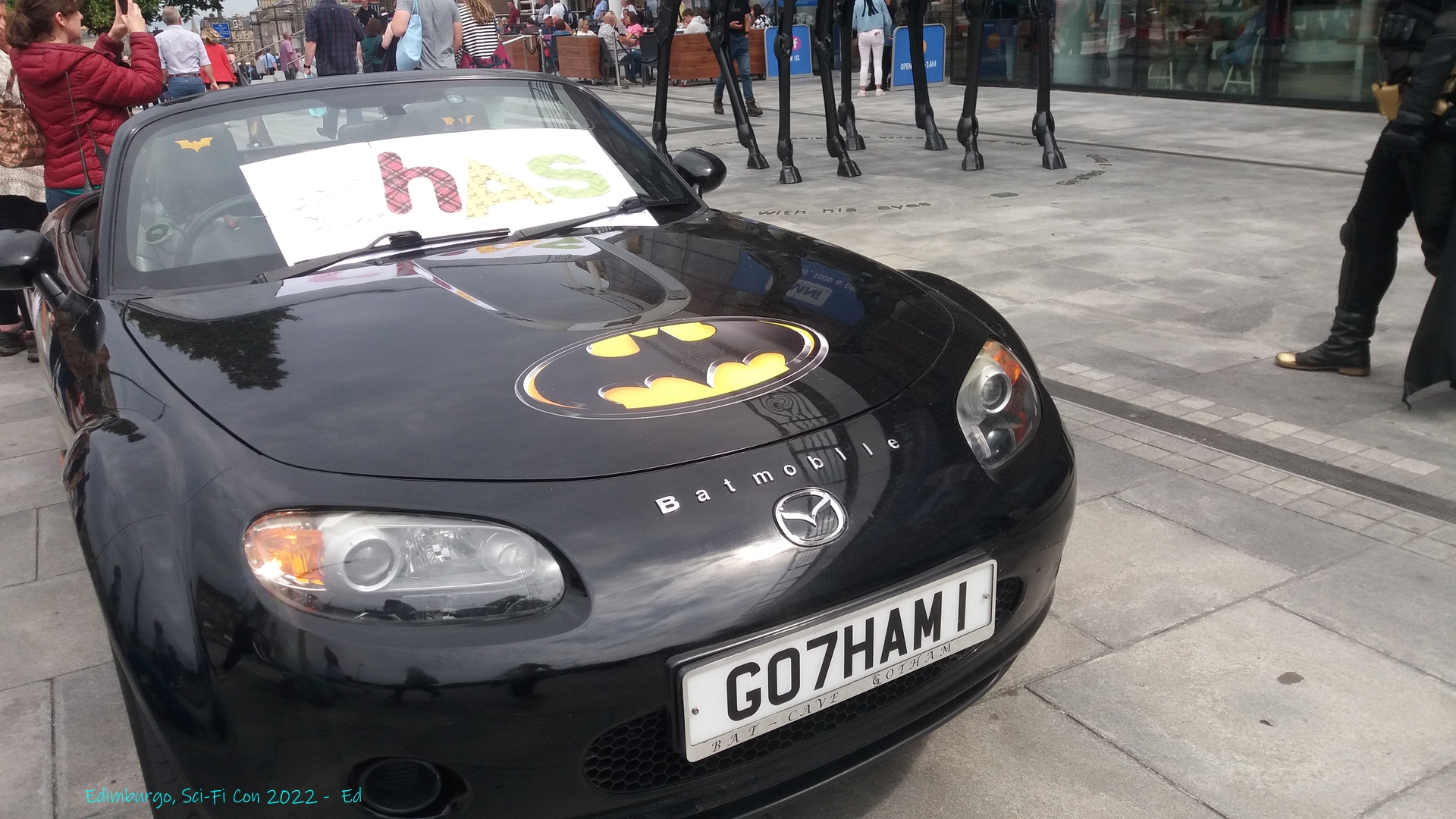
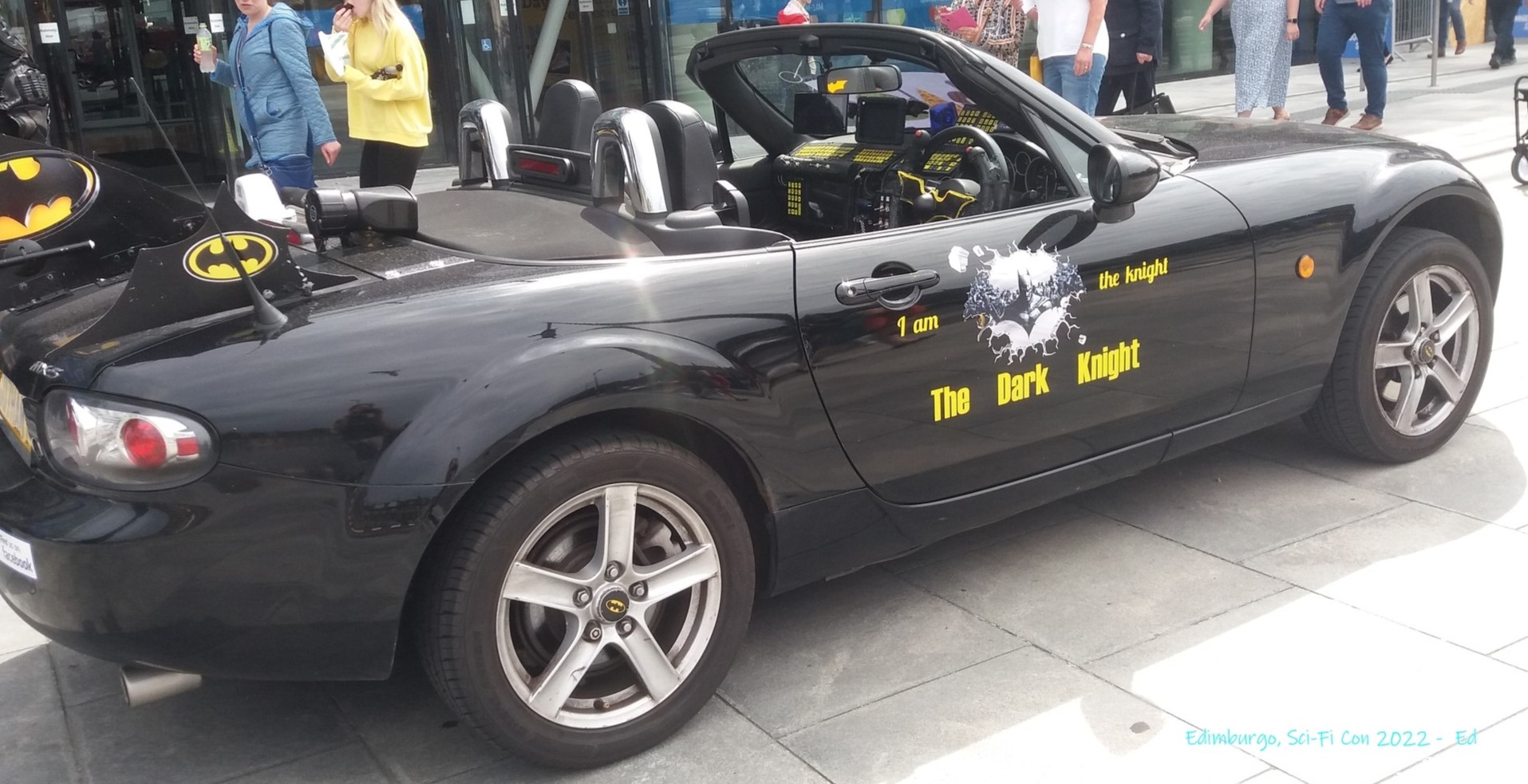
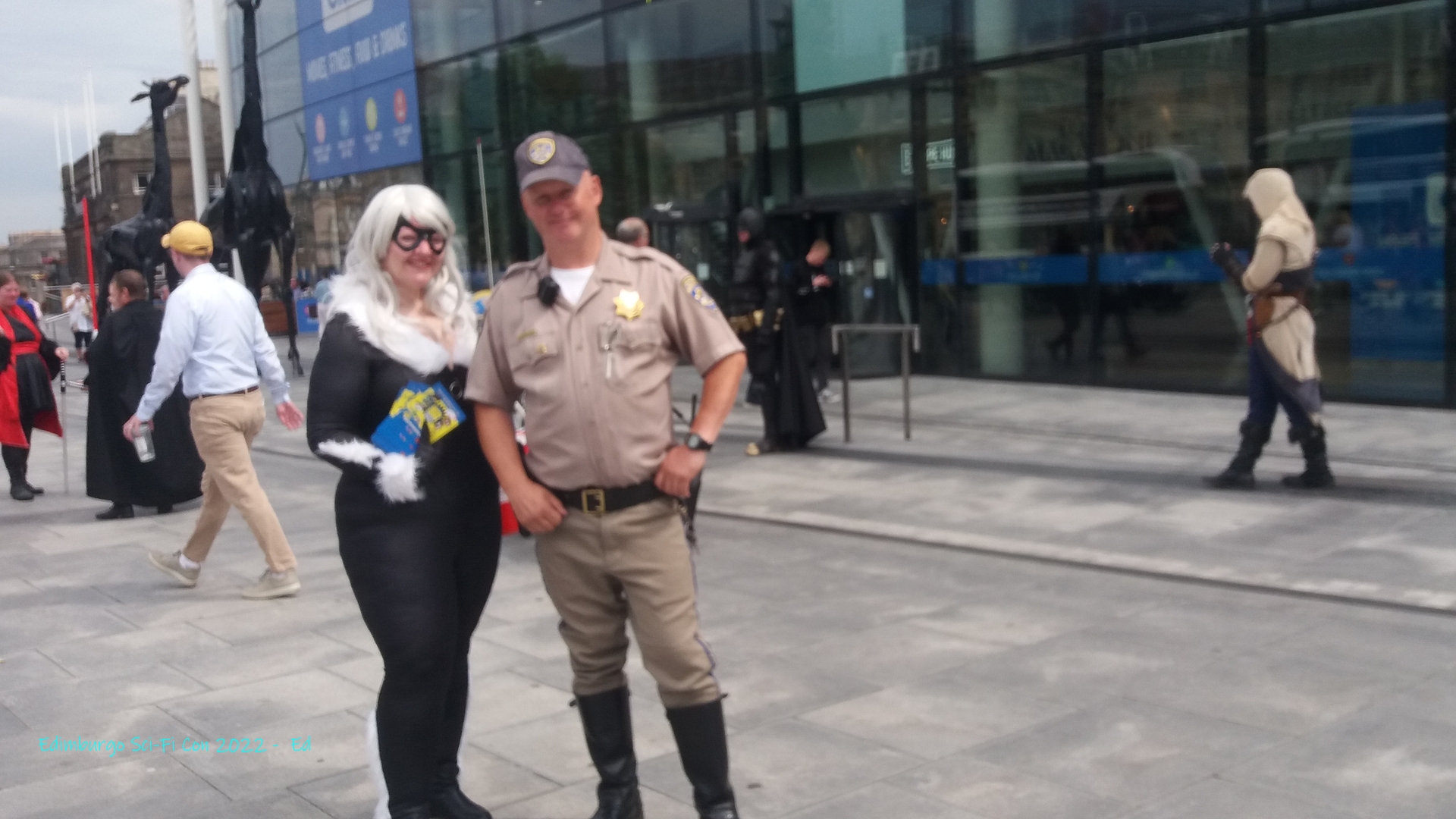
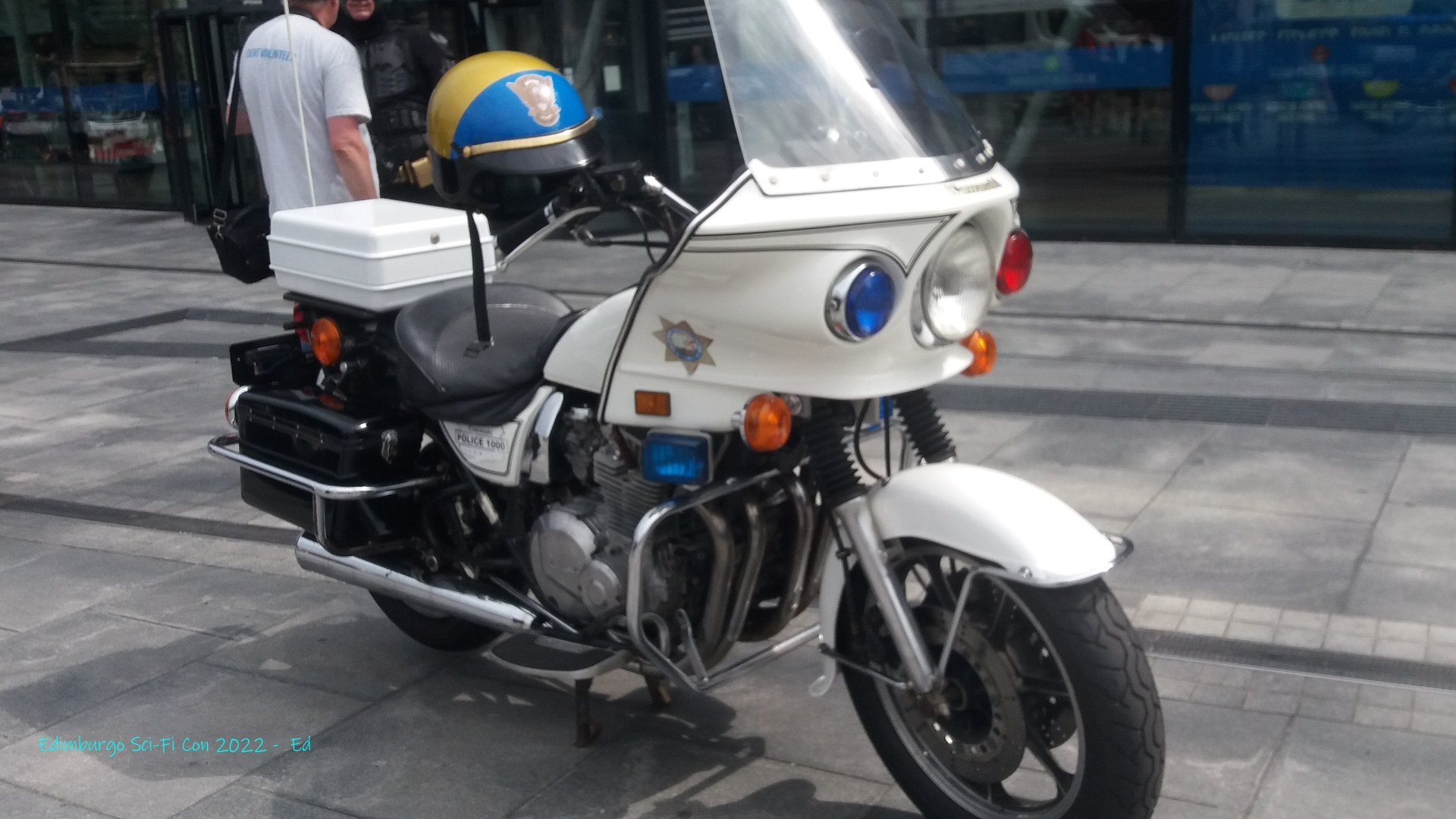
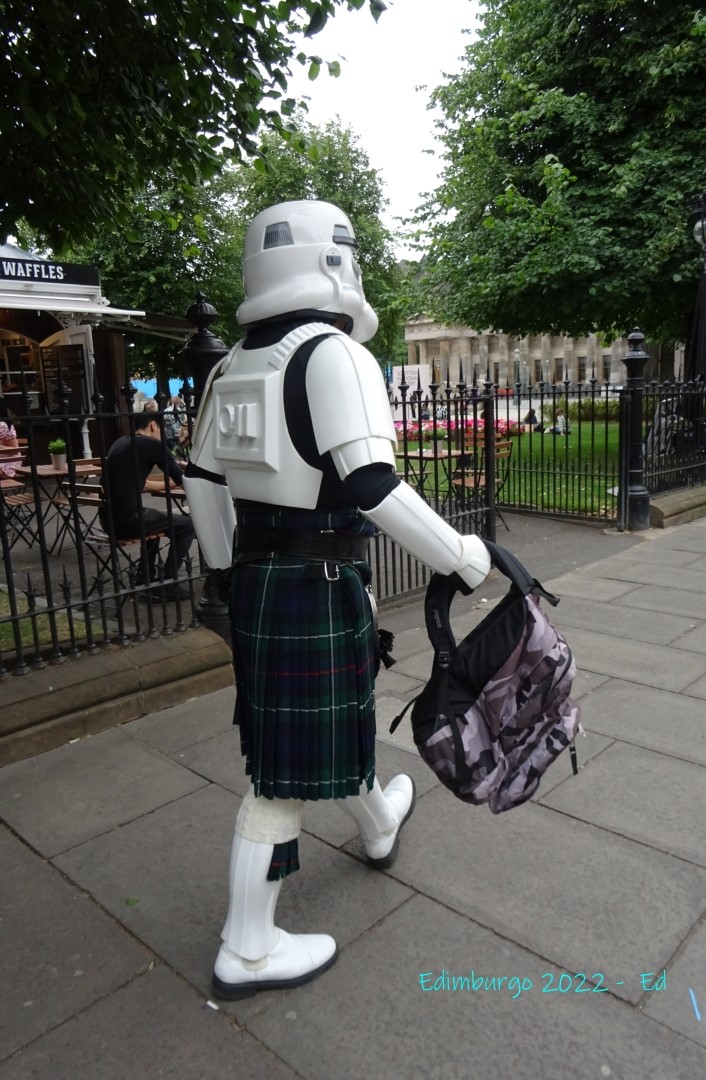
Festivals: Fringe, Jazz, Books and Comics. Fringe: generally from the first days of August until the end of the month. It is probably the largest and most varied festival in the world, for its duration – three weeks – but above all for the number of artists and shows that are present in all the theatres and stages of Edinburgh, and on the main streets Princes Street and the Royal Mile. The Edinburgh Jazz and Blues Festival, on the other hand, lasts about ten days and is usually held in July; it also takes place both in theatres and outdoors; the concert I photographed below is in Princes Street Gardens. To accompany it, a carnival parade that also passes through Grassmarket. The photos of the Bat Mobile and the Chips, on the other hand, were taken during the Sci-Fi-Con, while I told you about the Book Festival in the paragraph dedicated to the New Town. At each of these festivals I experienced an absolutely extraordinary atmosphere and the days are rich in culture and fun.
Harry Potter. A separate page at this link where, in one click, you can find everything you need to know about the sets, locations, museums, and Warner Bros. Studios in Scotland and England: find it here (under construction).
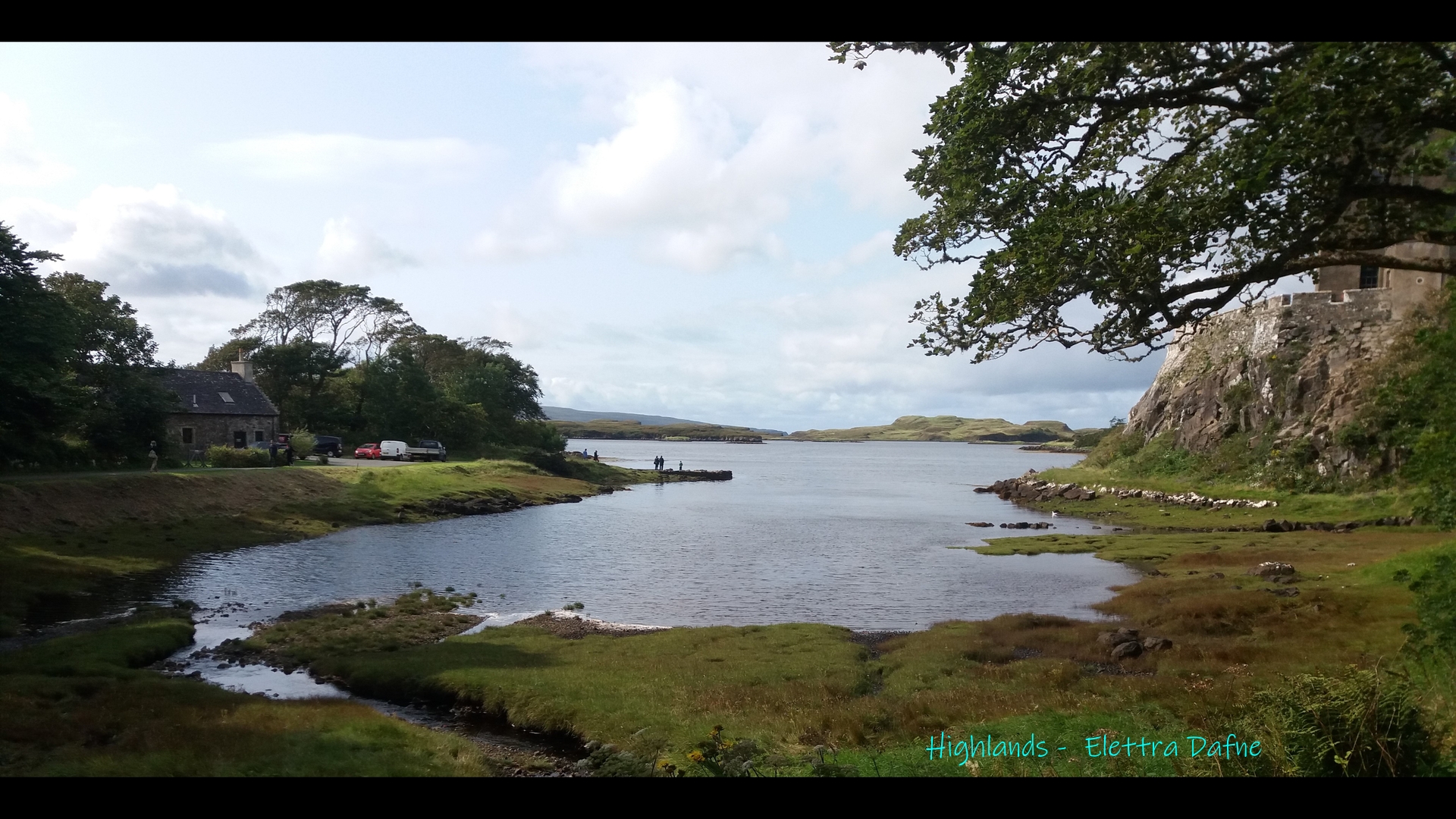
Castles, Highlands: from Edinburgh Castle to Lochness and Urquhart Castle, Inverness, Inveraray and the Castle of the Dukes of Argyll;Glamis, Alnwuick, Eilean Donan. The Lowlands: the Firth of Forth, Aberdeen, Dundee. You can find it here (page under construction.)