
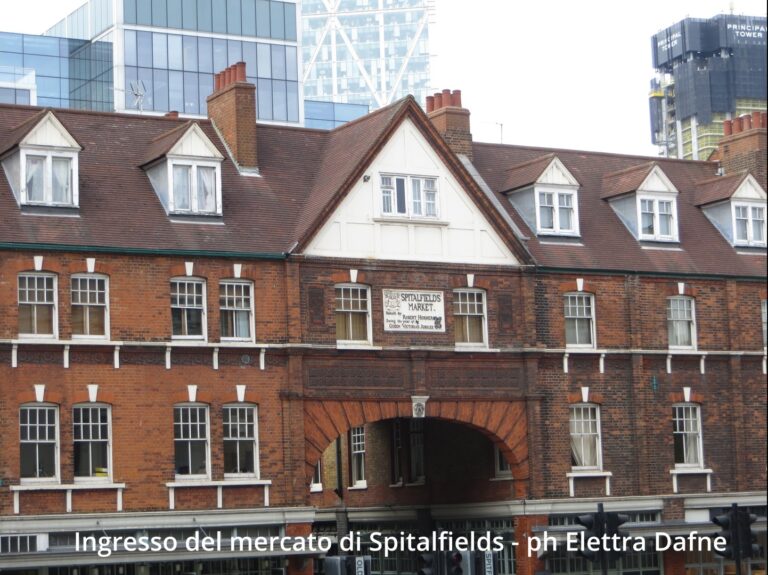
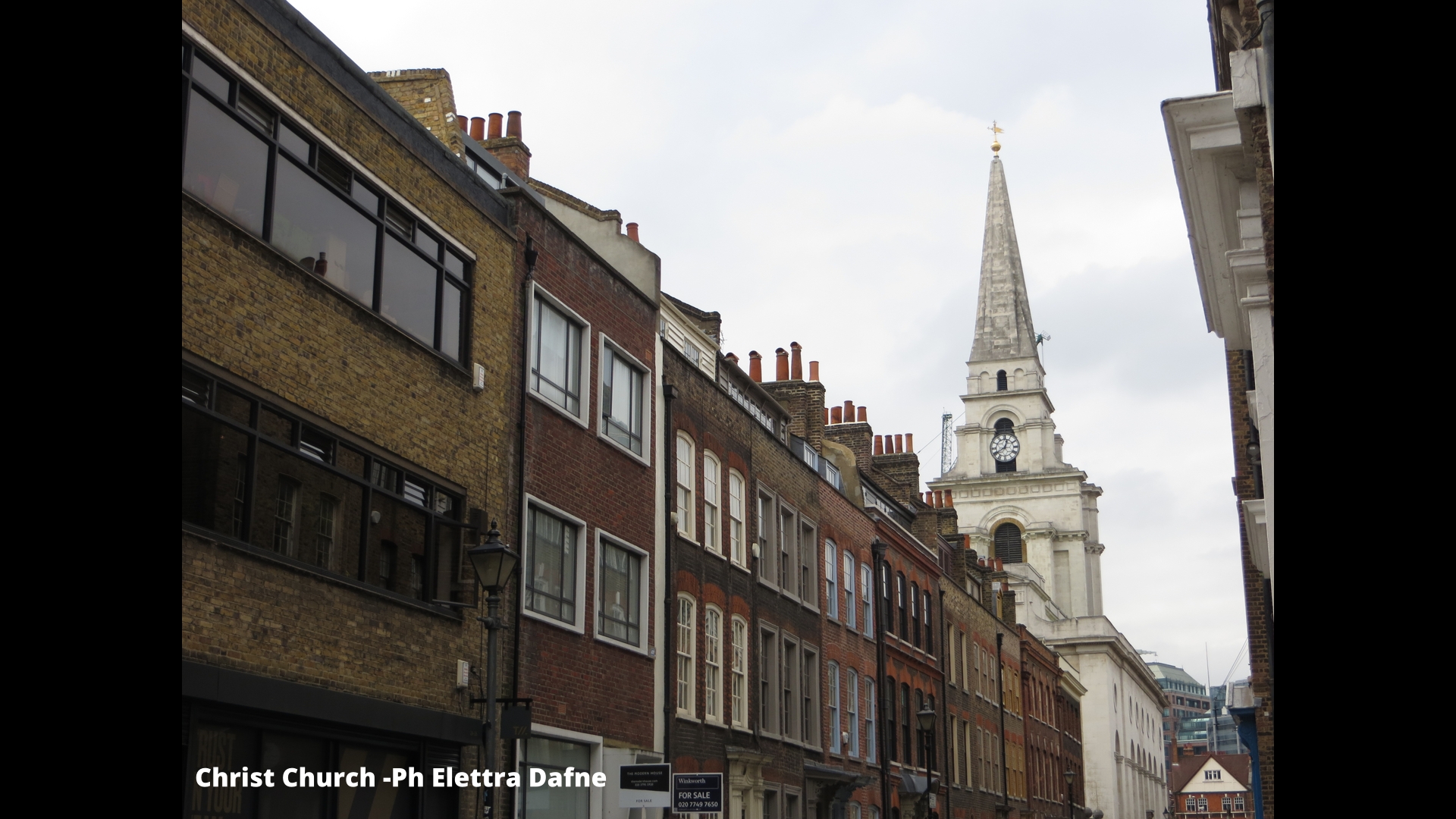
Brick lane, Princelet Street, Jack the Ripper and the Elephant Man; the Spitalfields market, Christ Church, the Art Gallery, the London Royal Hospital and the attached Museum: Welcome to Victorian London and the East End!

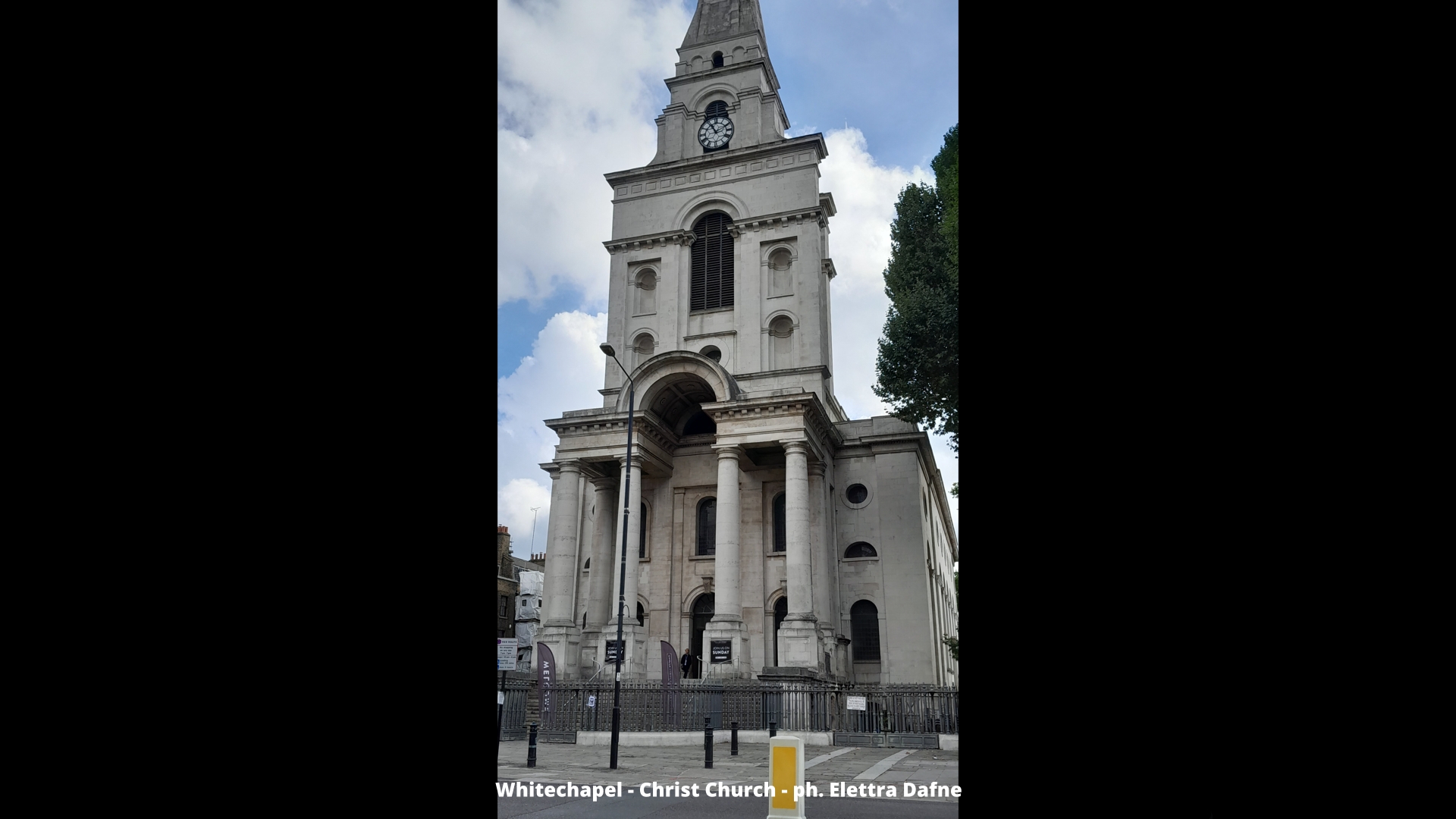
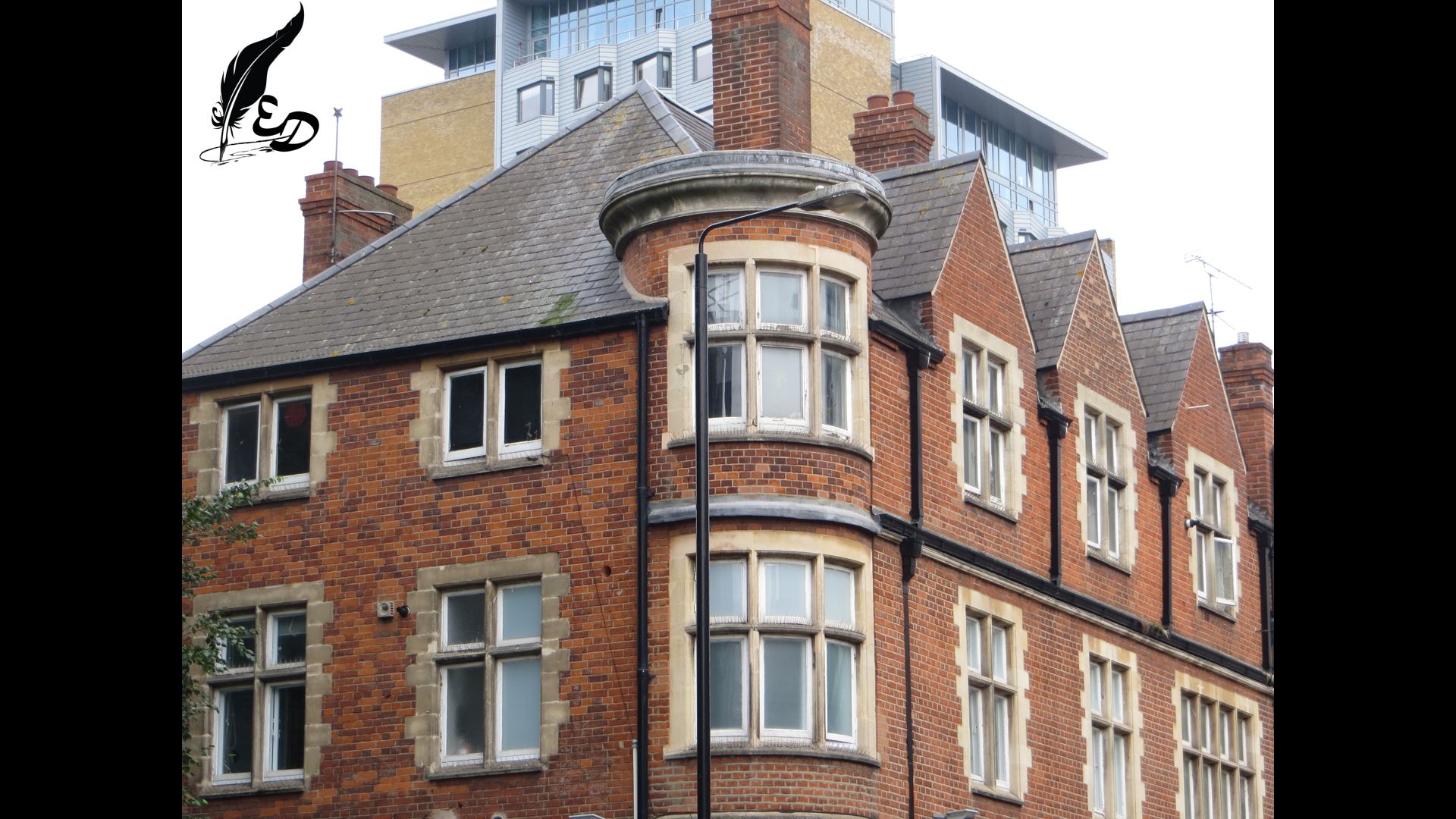
1800, East London, on the edge of the city. Once past the walls that delimit it, you can see a passage. It is a threshold that clearly separates the City – orderly and clean, with its laws and its security – from a series of avenues with long shadows where footsteps echo sinisterly between the abandoned walls, while the bars of a dungeon scratch the Moon, crossing it. A road that starts from that door and reveals hope only at the end when, in the distance, a light illuminates the Whitechapel church. Dark alleys and streets shrouded in steam where the crimes of Jack the Ripper and the investigations of Sherlock Holmes are born. A century full of charm but also contradictions, in which scientific progress challenges prejudices and fears in the pavilions of the first Universal Expositions and where, alongside technology and inventions, freak shows also parade. Above all, Joseph Carey Merrick, sadly known in the Victorian era as The Elephant Man. (Excerpt taken in part from my book Steampunk and the New Victorians – Nero Press Edizioni). Territory of Jews and French weavers for decades, of Huguenots and irregular immigrants – due to its proximity to the port – and even of political refugees such as Marx and Mazzini, Whitechapel is the heart and history of London. Often on the fringes even of tourist maps, it is a place full of meaning and charm that I always recommend everyone to see, but it is also a neighborhood full of vitality. Born from the intersection of all these cultures, breweries, foundries and markets have come to life here over time. And also a University.
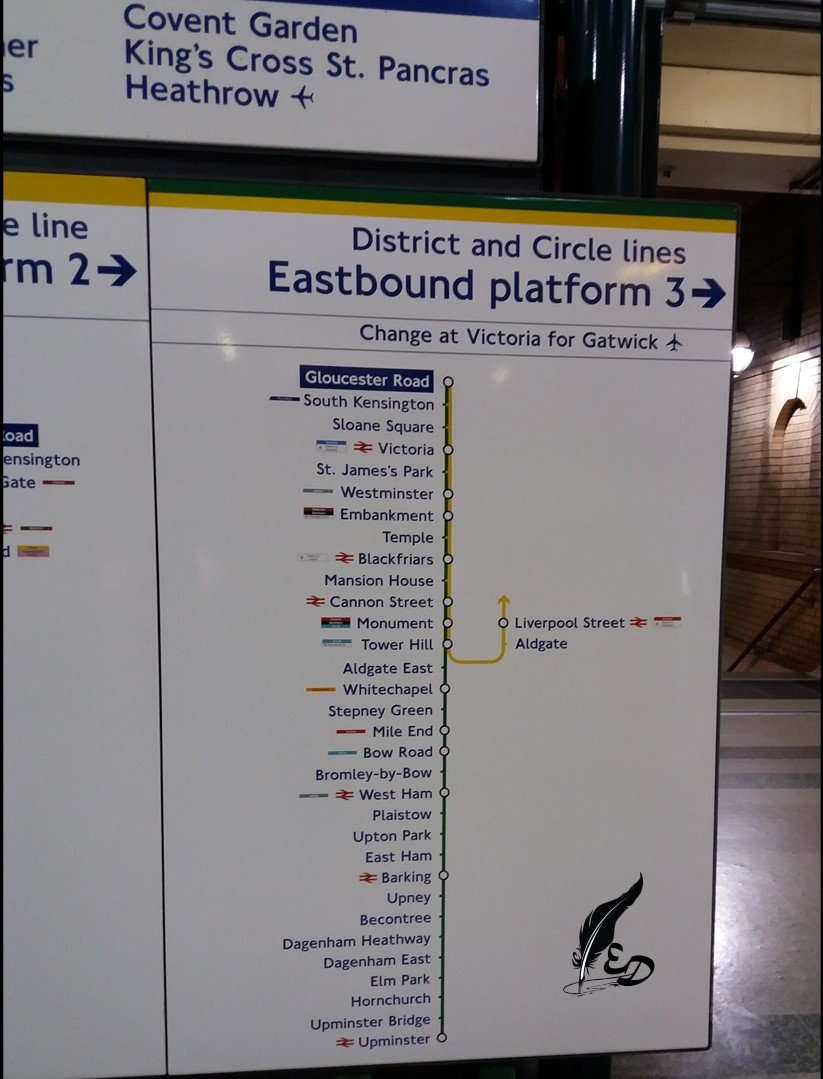
Let’s try to make a short itinerary and start by getting off at the Whitechapel metro; from there in a few minutes we arrive at the London Royal Hospital Museum to find out more about the person known to the whole world by the name of Elephant Man.
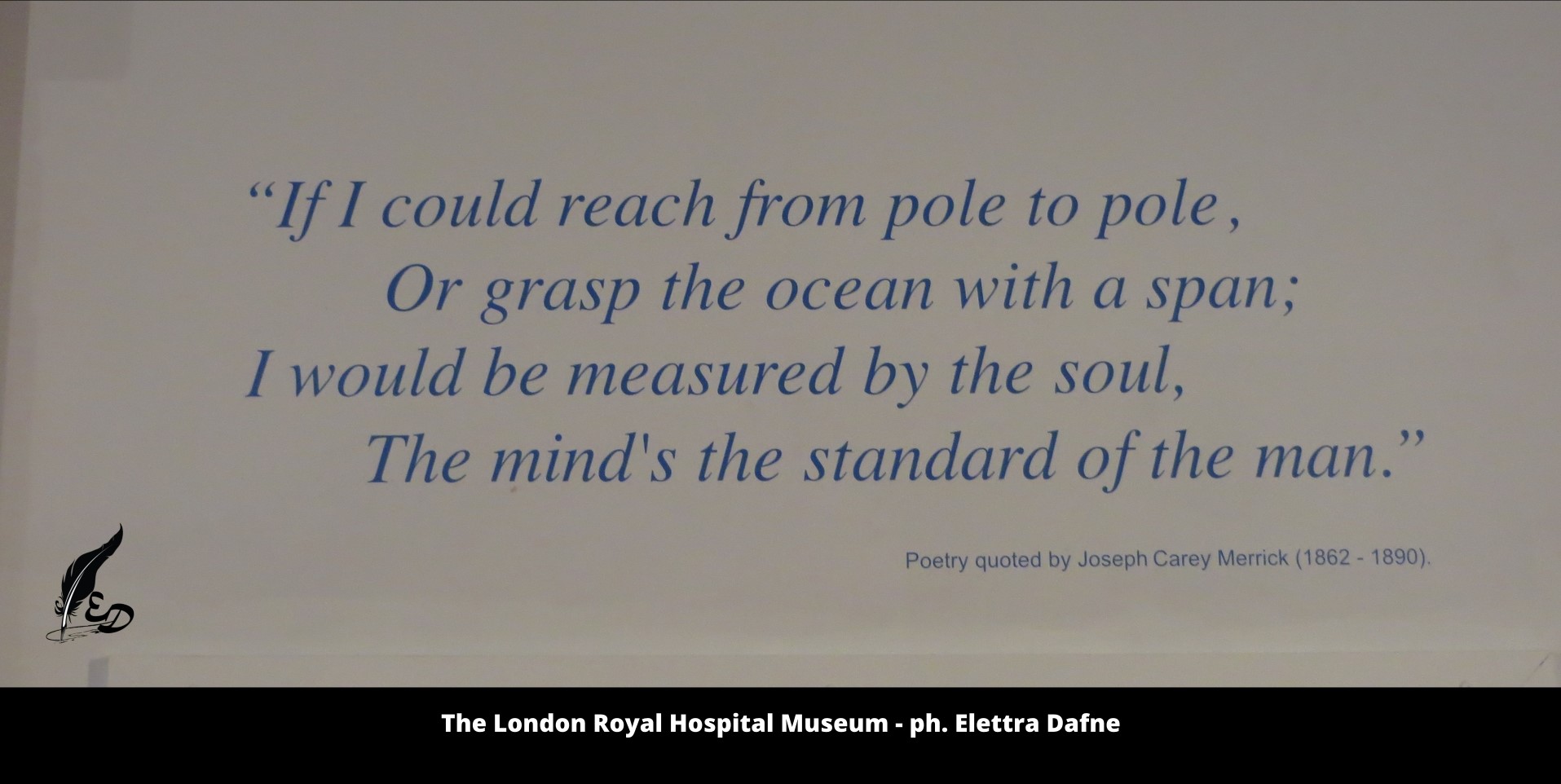
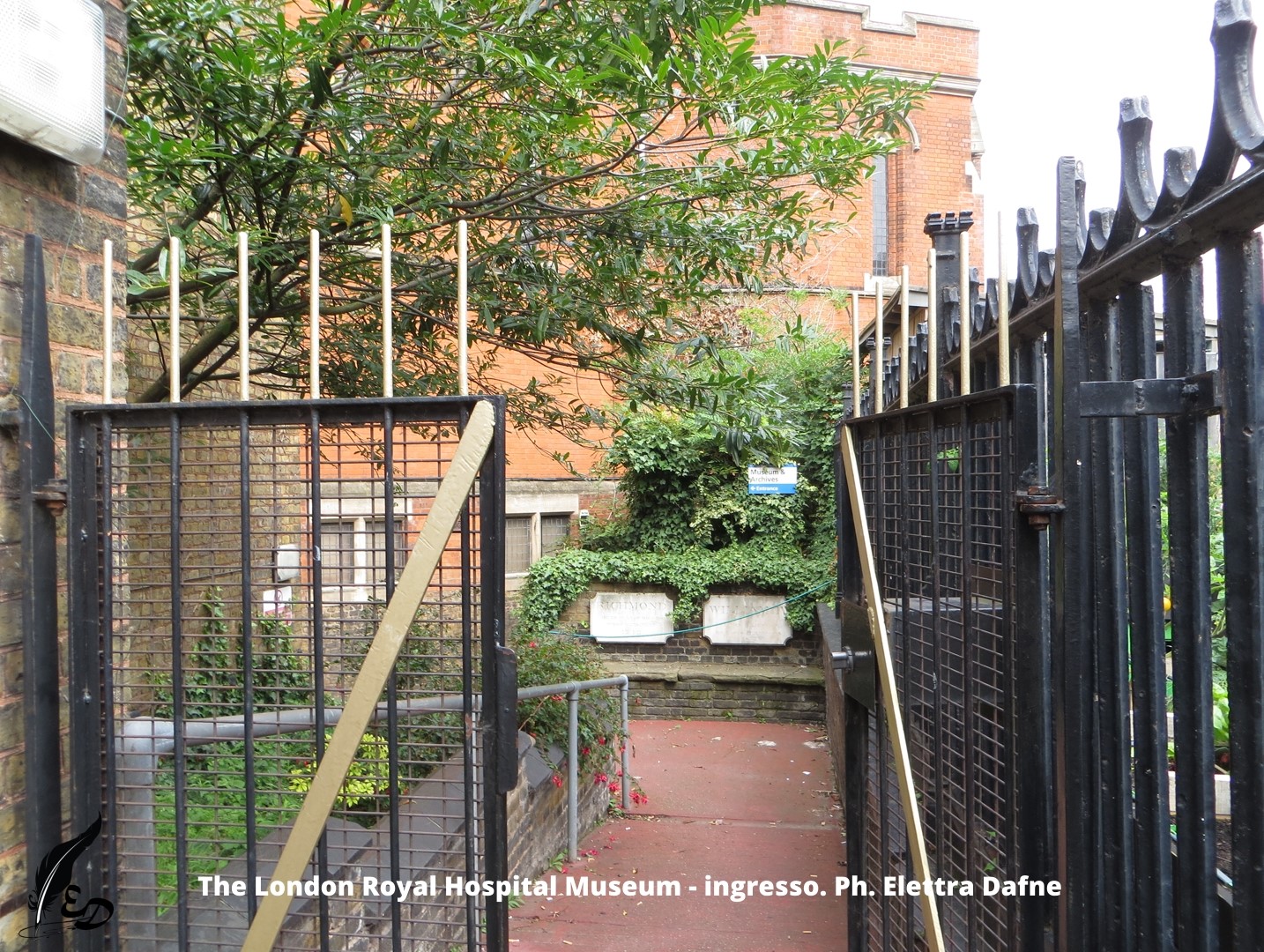
The Royal London Hospital Museum is a small museum on Newark Street located inside the crypt of the church near the hospital; from the slightly hidden entrance, but full of information and objects, it will transport you to the 18th century in an instant. Extremely detailed, thanks to a series of signs present inside the display cases and positioned near the medical instruments, books of the time and some photographs, it offers the possibility of knowing the history of Joseph Merrick in depth – at the bottom center we see the copy of his skeleton, the original is in hospital – also aided by the screening of a 20′ BBC documentary that tells the true story. Born in Leicester in 1862 and died in 1890, Merrick was born healthy and remained so until the age of five; following the deformation of his face and the protrusion of his lips, he was compared to an elephant due to his appearance, and kicked out of the house.
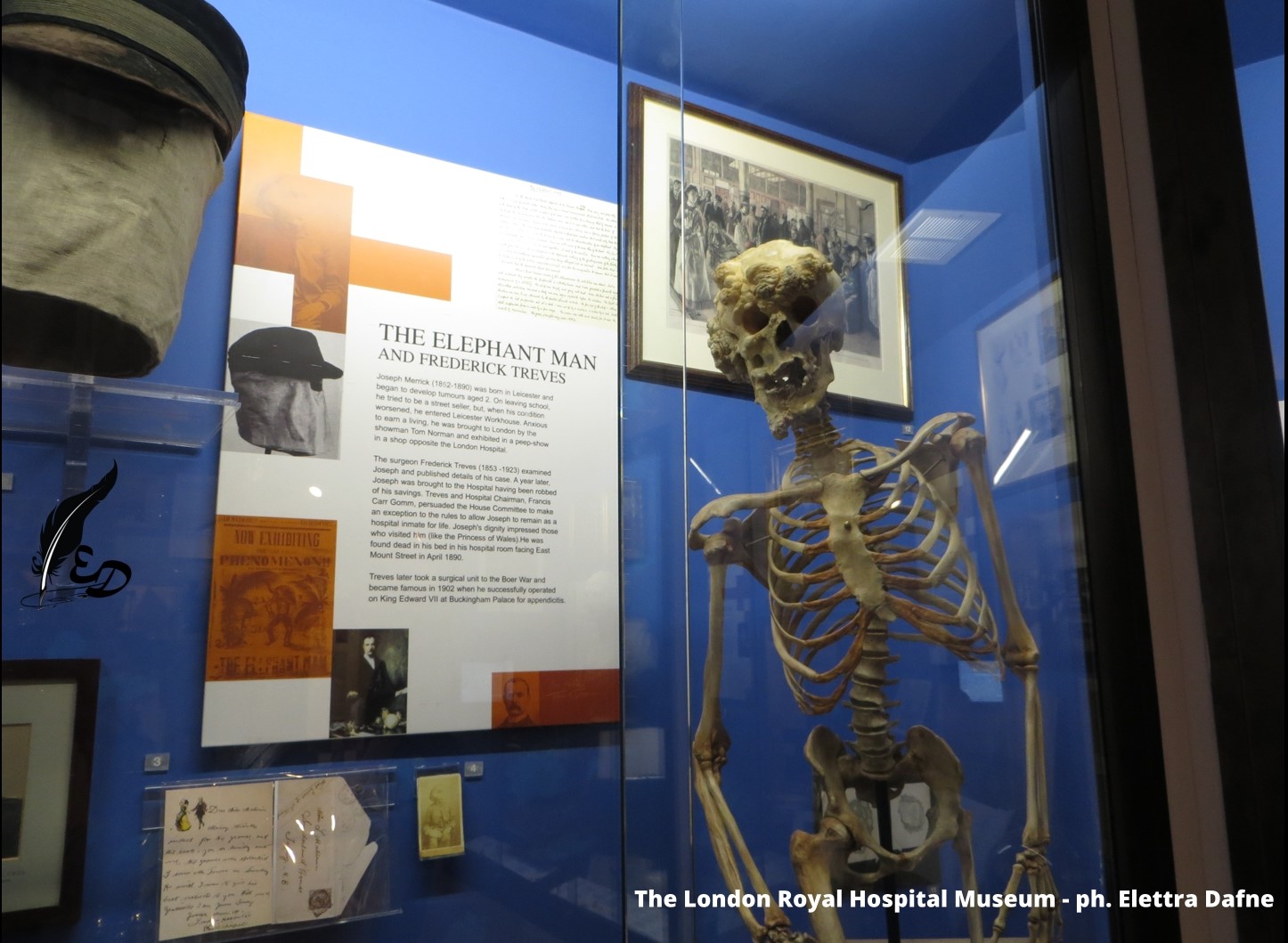
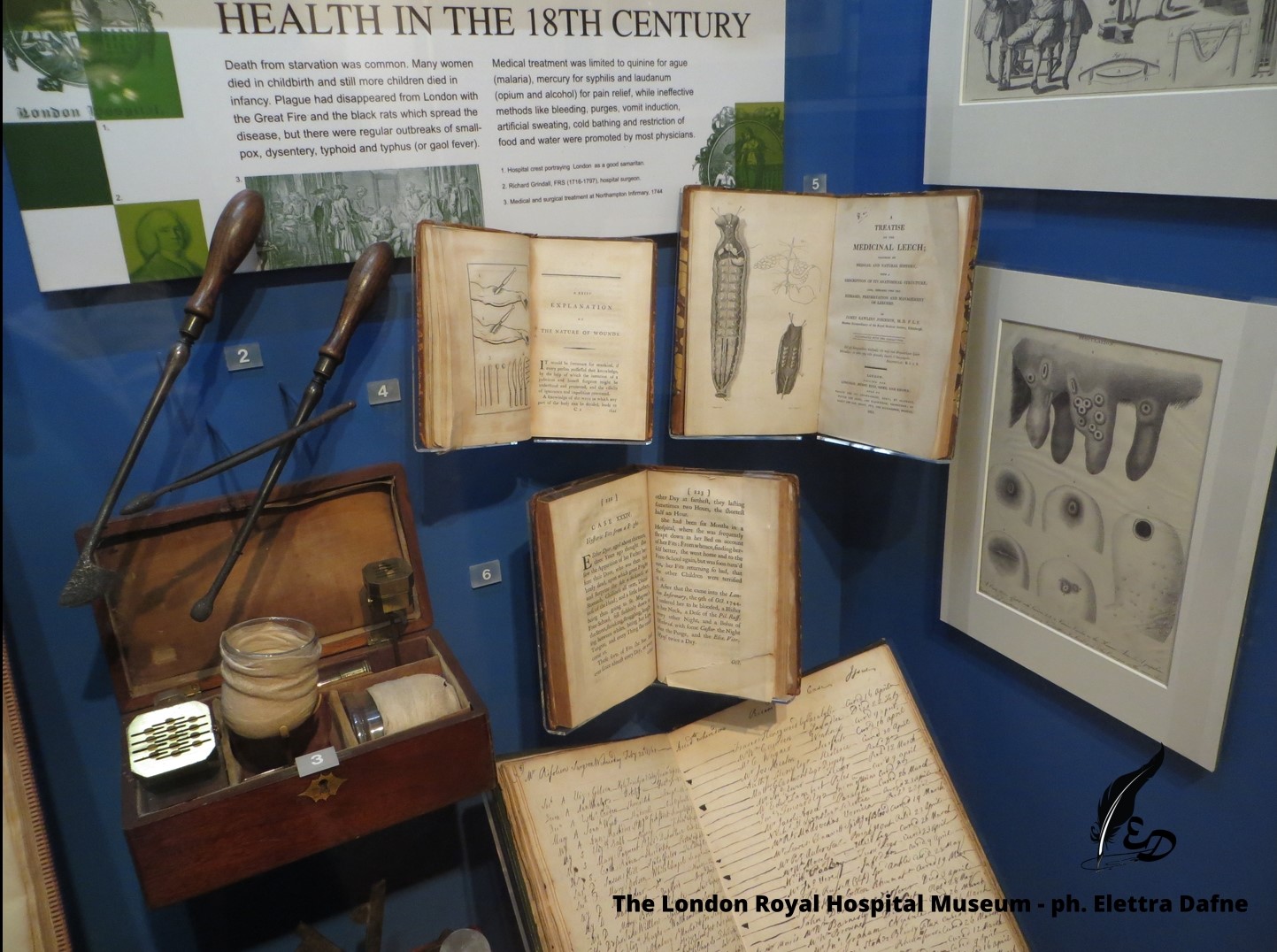
Gifted with great intelligence, he soon began to work but, between dismay and curiosity, he was always considered a freak to be exhibited at fairs. All this, of course, until a law made Freaks Shows illegal where, in exchange for a meal, unscrupulous impresarios began to exhibit it without hesitation. In the last part of his life he was welcomed by Dr. Frederick Treves who decided to take care of him by finding him accommodation within the hospital, becoming friends. David Lynch dedicated an extraordinary film to him: 🎬 The Elephant Man, while I also like to remember Freaks, Tod Browning’s superb 1932 film that explores this world from the inside. But that of the Elephant Man is not the only story to be illustrated here; thanks to another audiovisual document, it is also possible to learn about the evolution of the nursing school present within the hospital, the suggestions and intuitions of Florence Nightingale and the progress of medicine itself. Free admission. Important update: The Museum is currently closed (since 2020). A reopening is planned.
If we don’t mind walking, once we leave the museum, we could take Newark Street again towards Whitechapel Road and Old Montague Street. Going along it all, at a certain point this road becomes Wentworth Street, (at the intersection with Brick Lane) and in a few minutes it leads us to the Whitechapel Art Gallery, – Aldgate East metro -. Founded in 1901, this gallery hosts the works of both local and international artists, contemporary and avant-garde art. Inside there is also a library. Free admission.
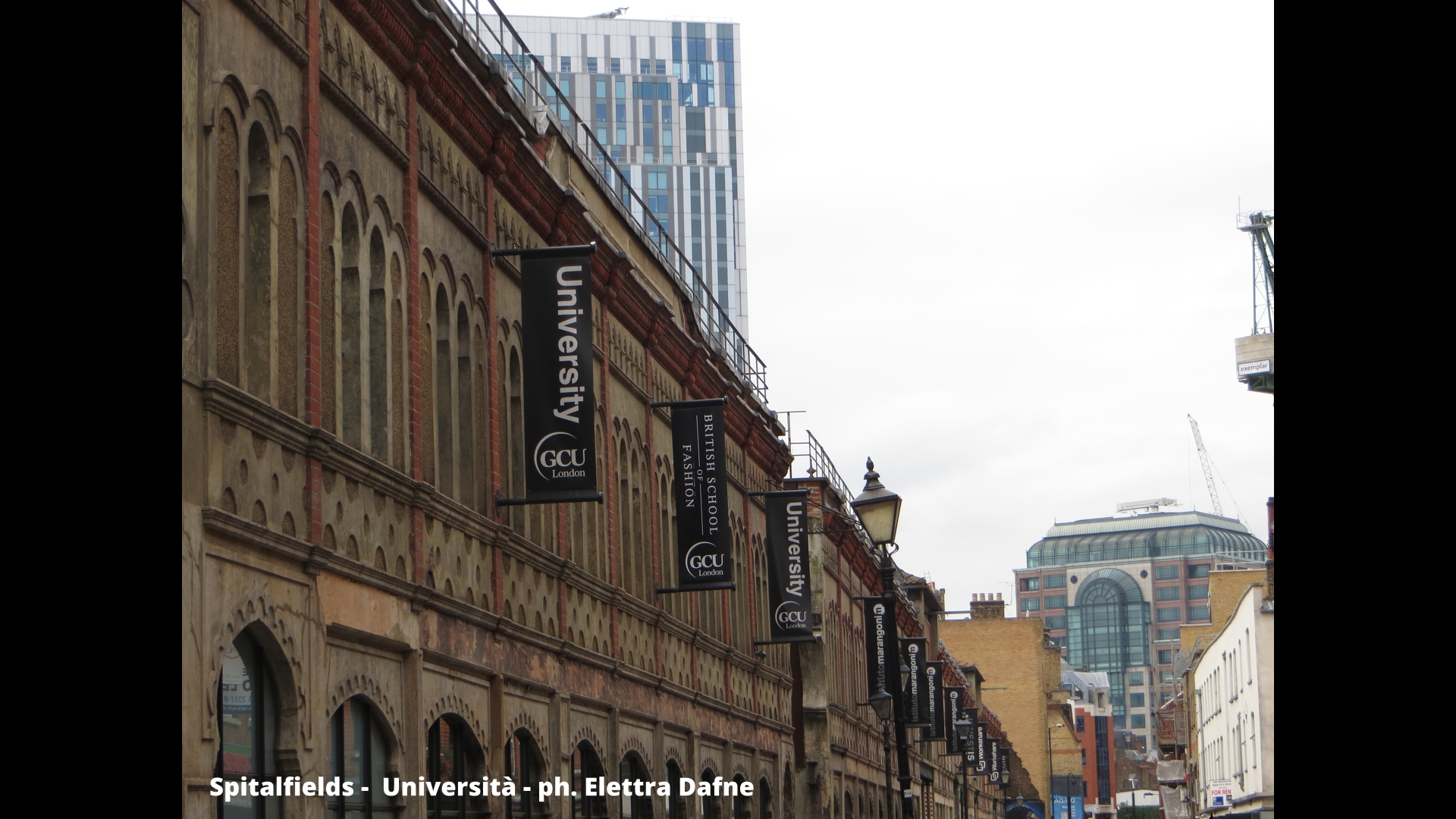
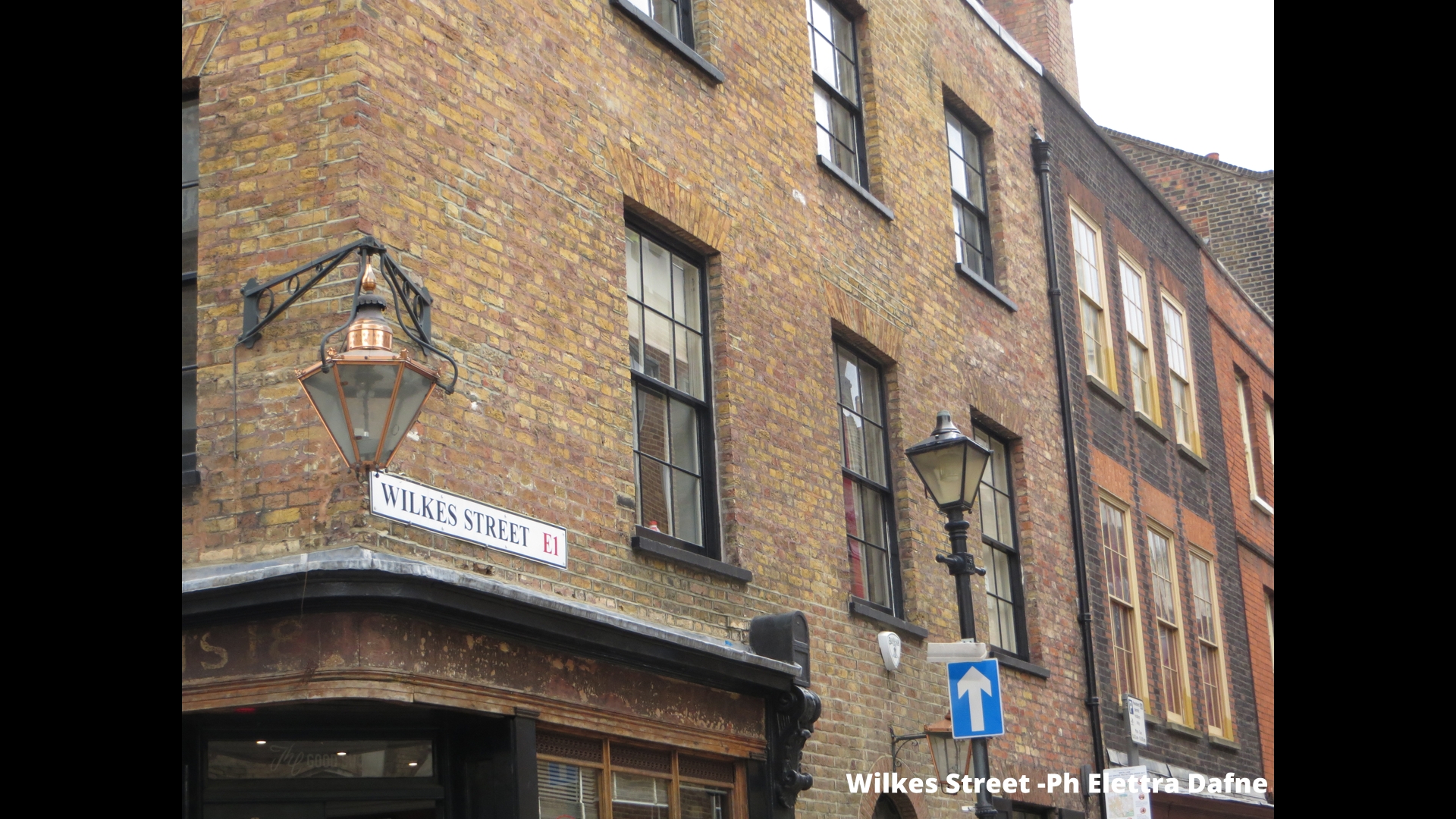
Returning back towards Brick Lane instead, (about 500 meters on foot) we arrive at the CGU London Fashion University, in Fashion Street, a prestigious British University for fashion and more. This area was once very famous for being best known as the location of Jack the Ripper’s crimes: Brick Lane, Hanbury Street, Wilkes and Princelet Streets and, of course, Commercial Road.
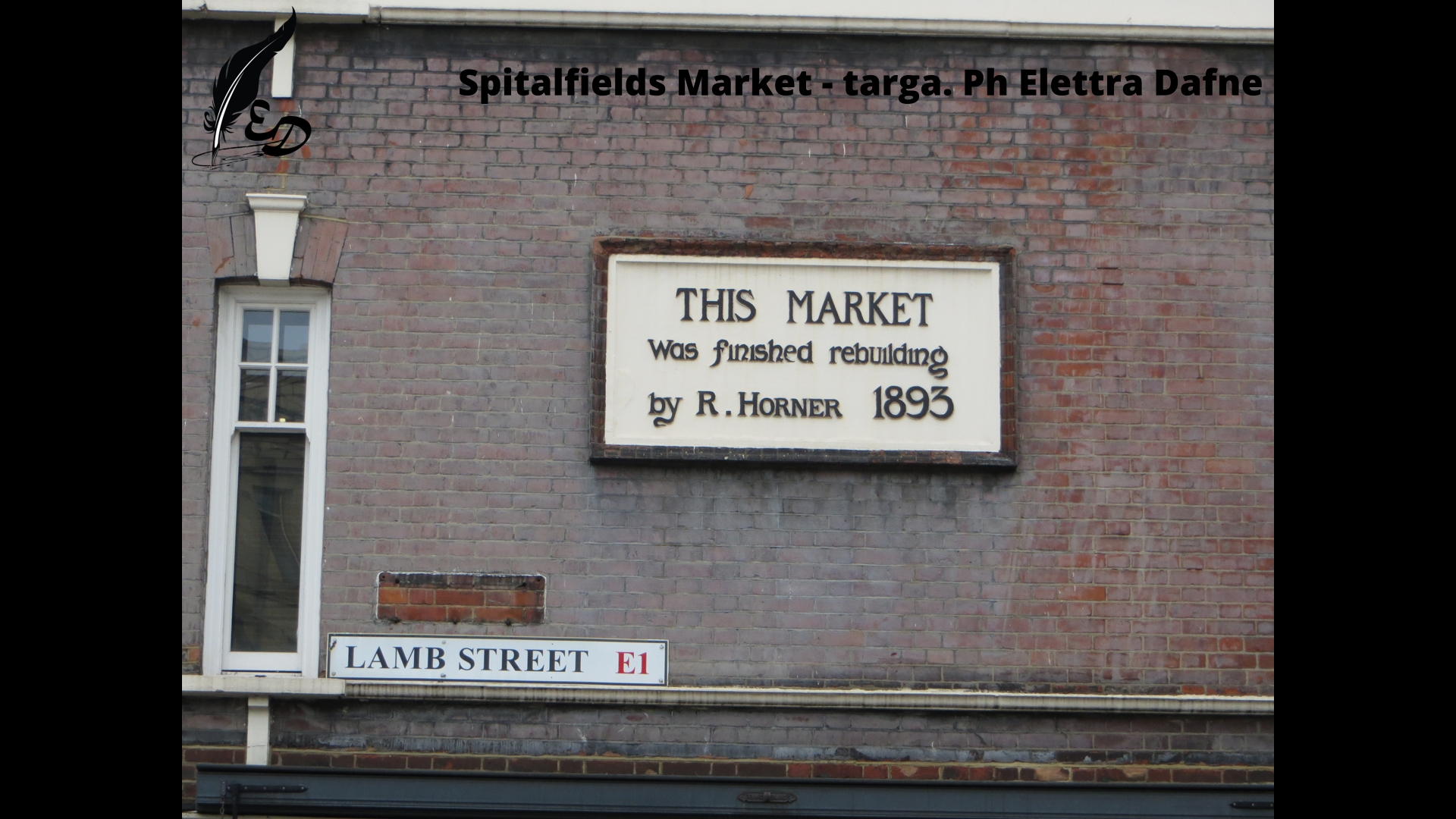
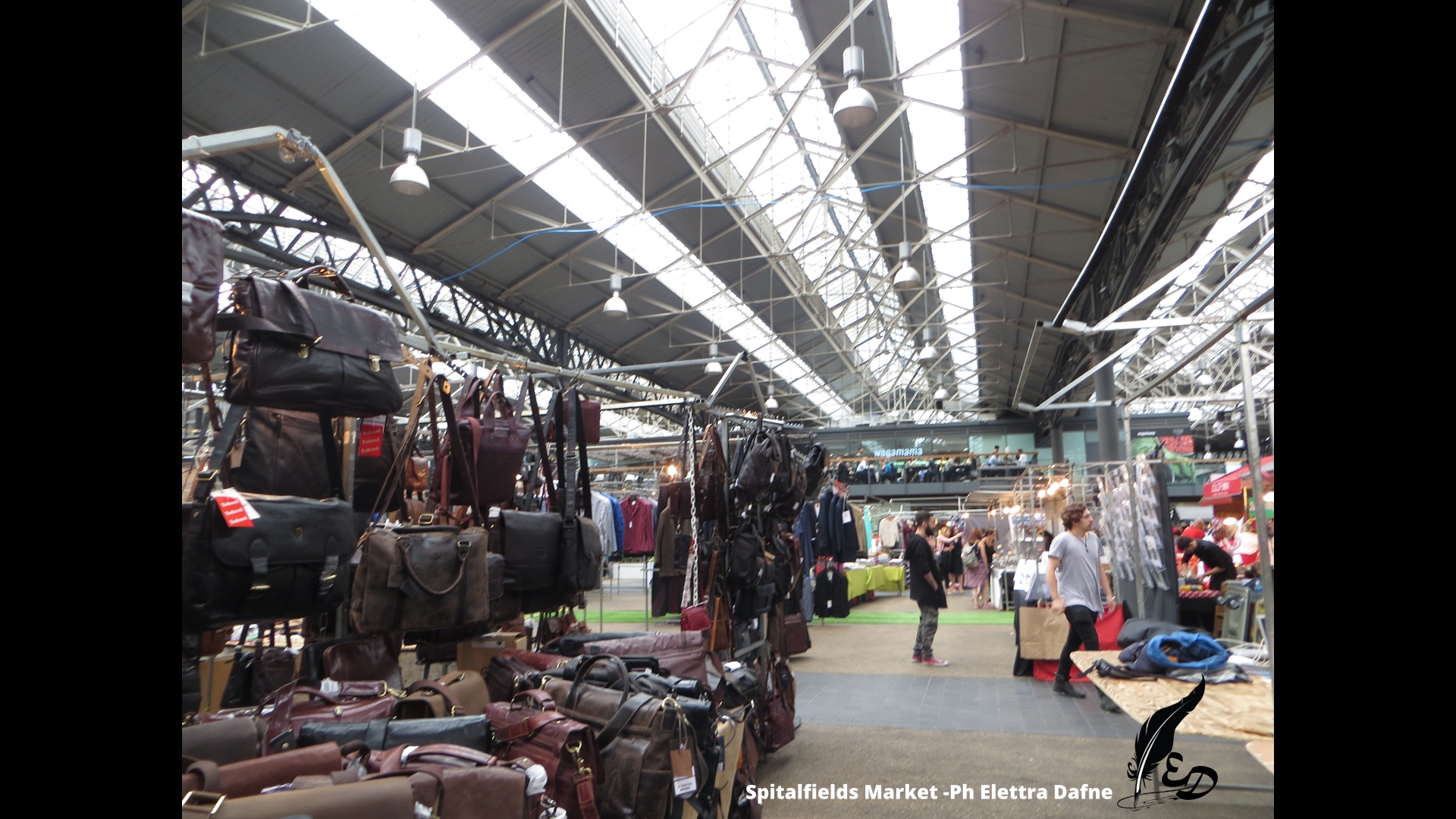
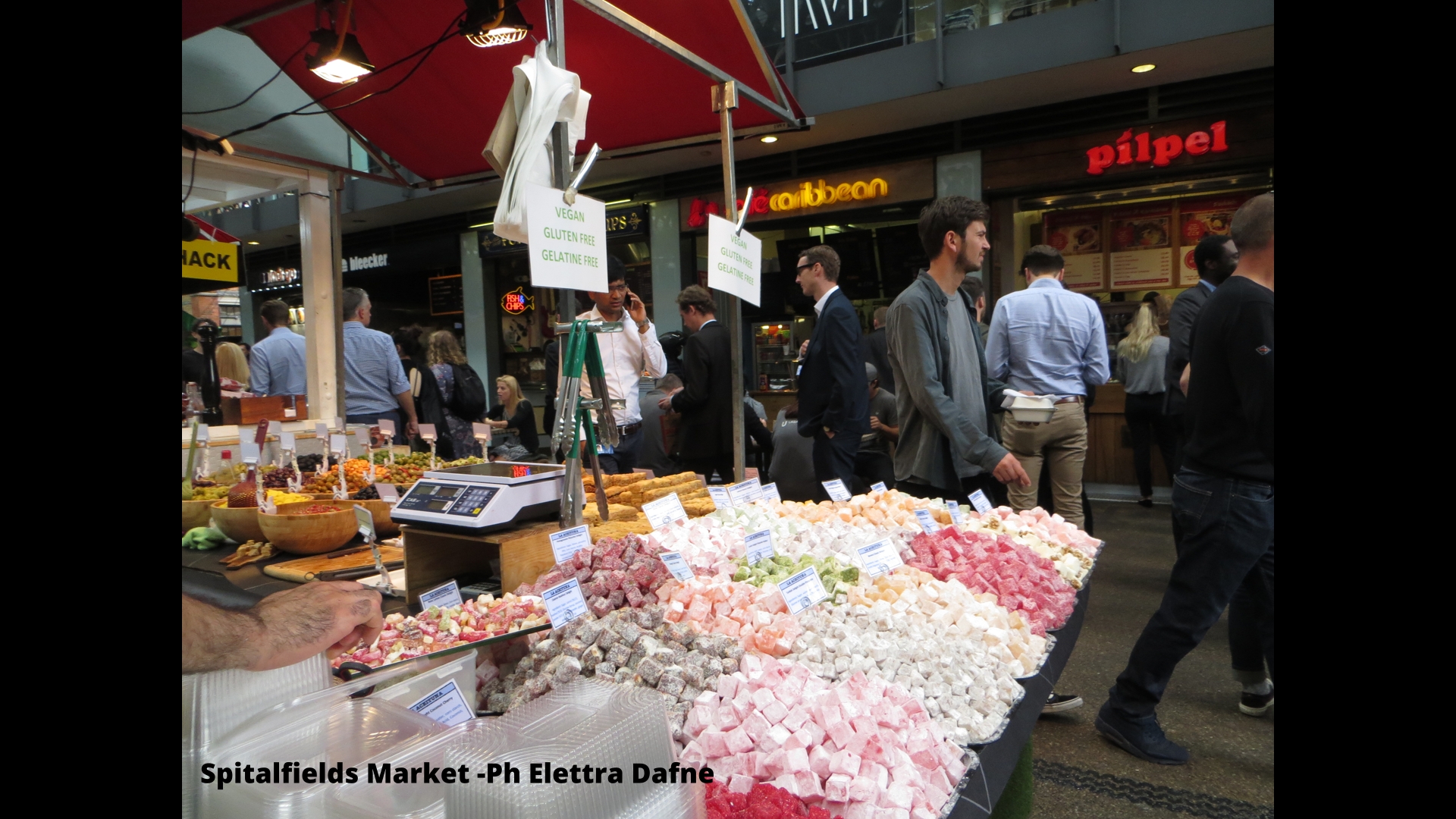
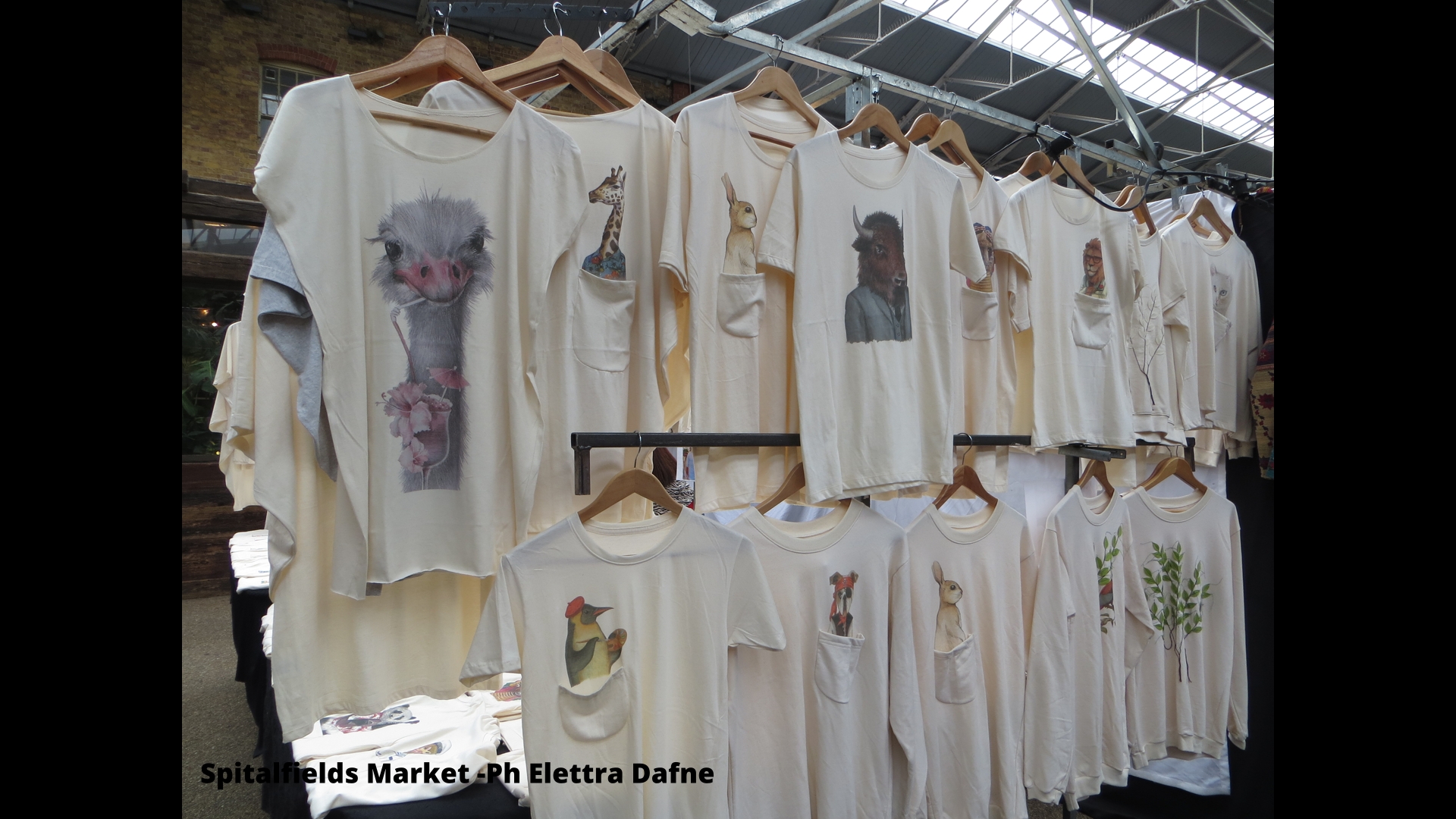
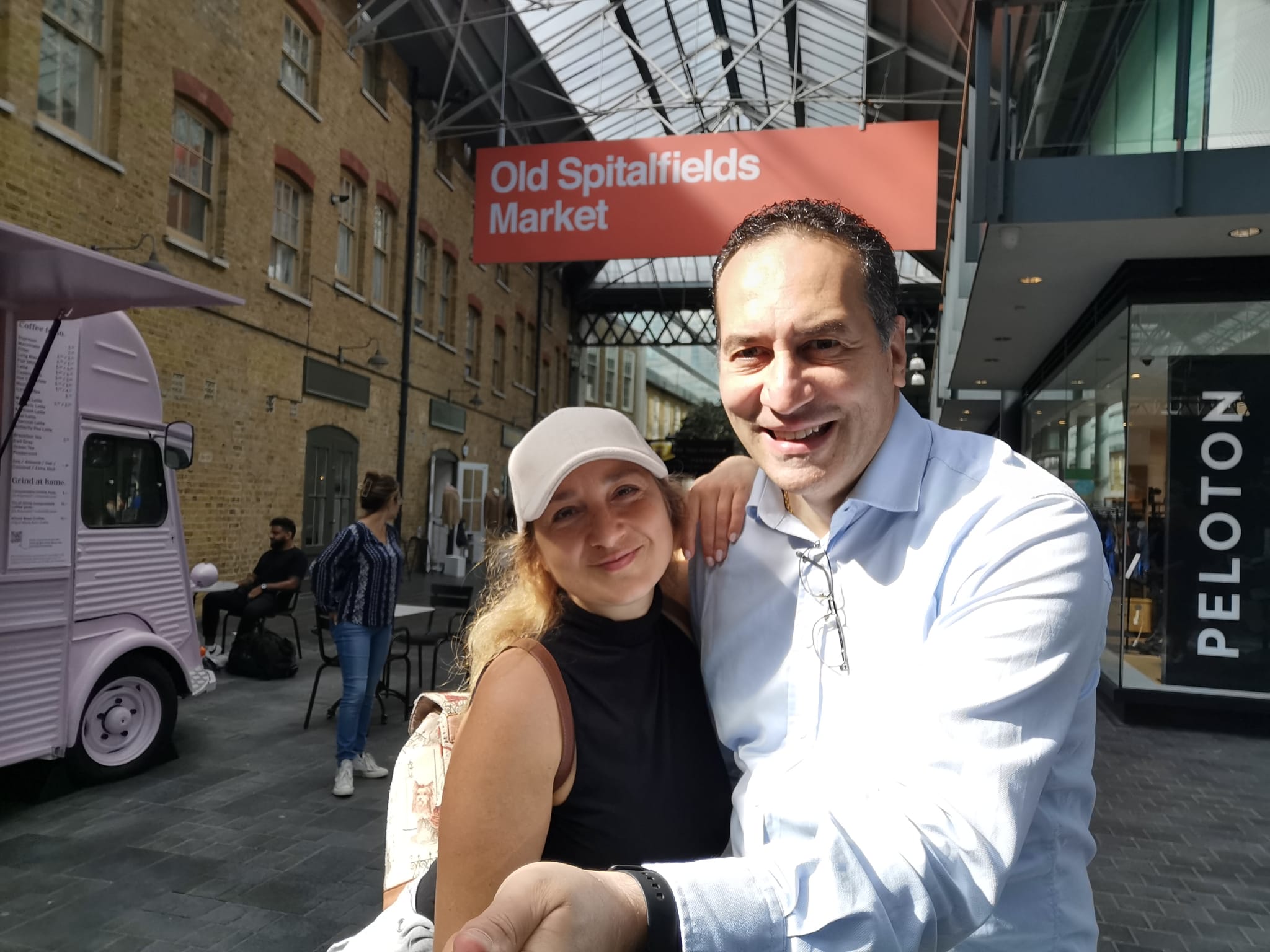
From Commercial Road (it’s a main road) to Spitalfields Market, it’s about 1.5 km walk. I was in this area for the first time at night, the market was closed of course, and at that time I was there to do a Jack the Ripper tour, needless to say. If we consider Spitalfields as our last stop (and we started in the morning), we are definitely in the right place to take a break, go to the toilet (they are clean, coin operated), eat and drink something and wander around the stalls and relax a bit’; from paintings to clothes, they really offer us everything. This market has a dual aspect, on the one hand it certainly maintains the spirit and charm of the neighborhood of origin but over the years I have seen it change and lately an Amazon hub has been added to the well-known food and spirits chains located on the sides of the main area; but don’t worry, the atmosphere inside has remained intact. Going between one stand and another there is the possibility of eating a bit of everything. When I arrived at lunch time I remember that for 5 pounds they gave me a cardboard container and, one on top of the other, they put lentils, rice and tomatoes, all together. The portion was decidedly generous and recalled the single meal of the poorest people (it is not the only place of course, you can eat what you want comfortably sitting at a table). Just outside the market there is a garden and several benches where you can enjoy whatever you choose to take, resting a bit before continuing with the last stop of this tour. In the photo on the right Fabio, one of my closest friends, who lives there 😊
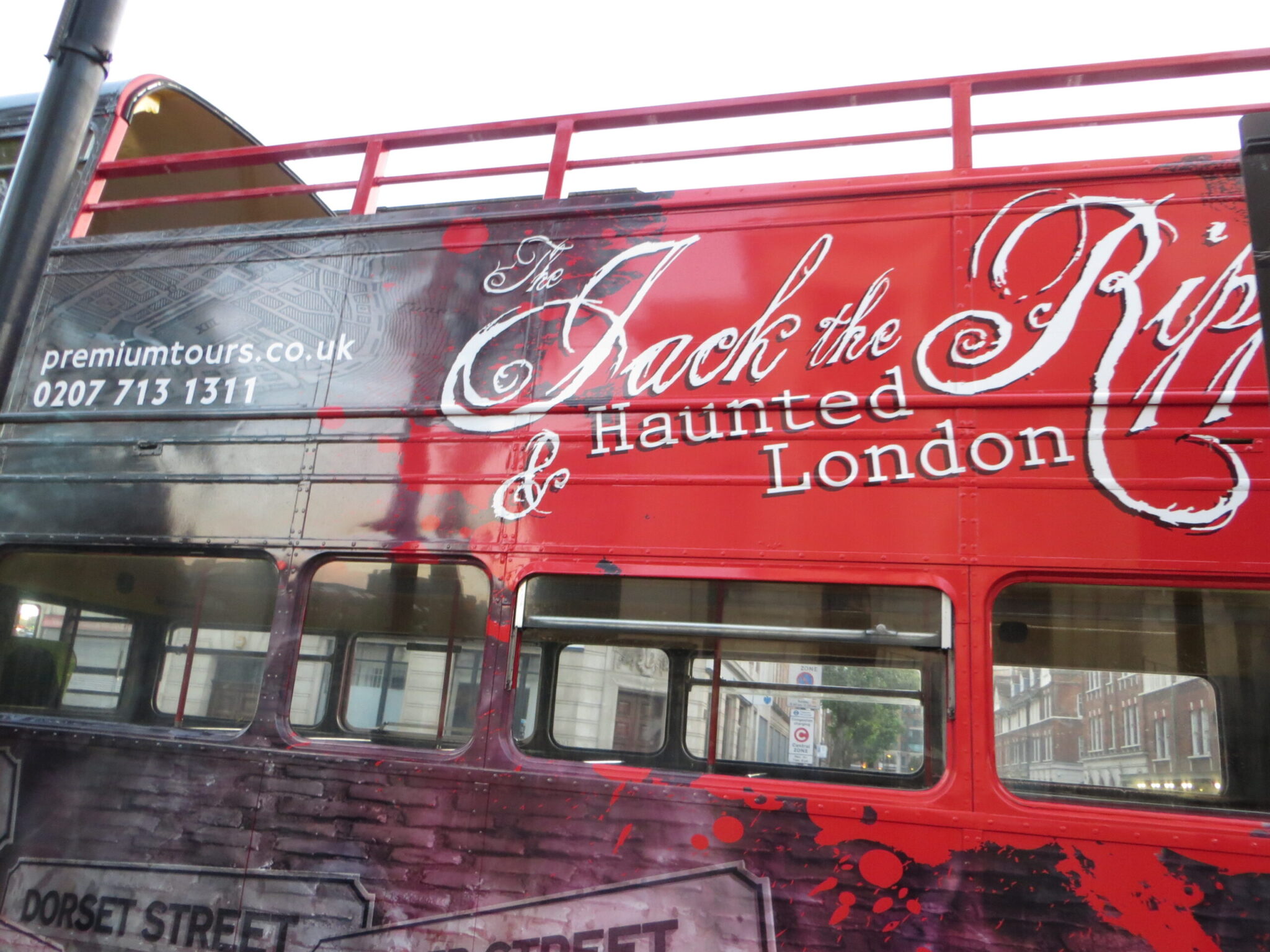
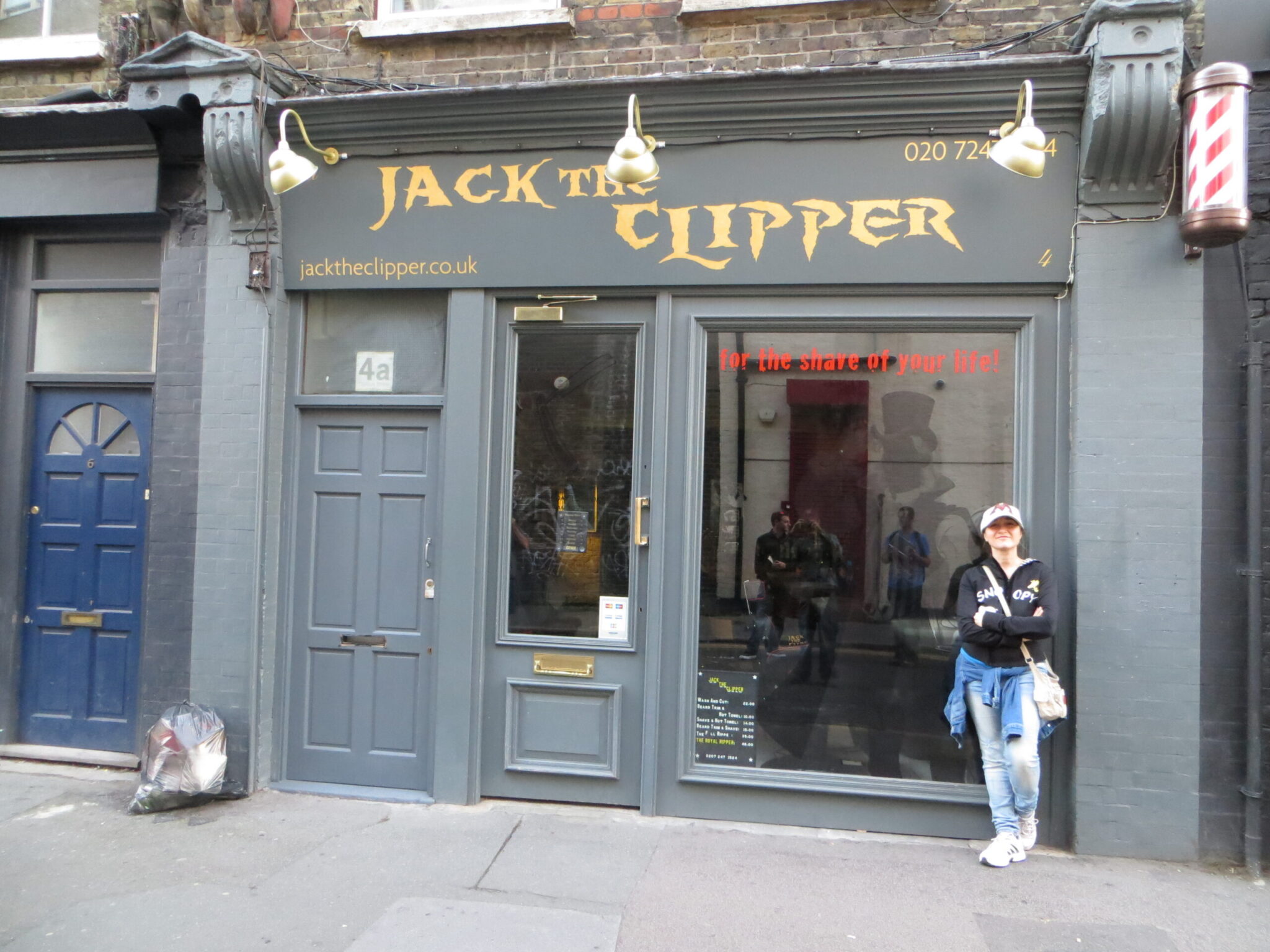
Considered the first serial killer in history, no one even today knows the Ripper’s true identity, at least, not according to official information. Active in 1888, he targeted Whitachapel prostitutes by brutally mutilating them and removing their organs. From supposition to supposition, many names were hypothesized, there was even talk of someone close to the Monarchy, but the truth is that even today, despite attempts to analyze DNA through modern technologies, no solution has been reached.
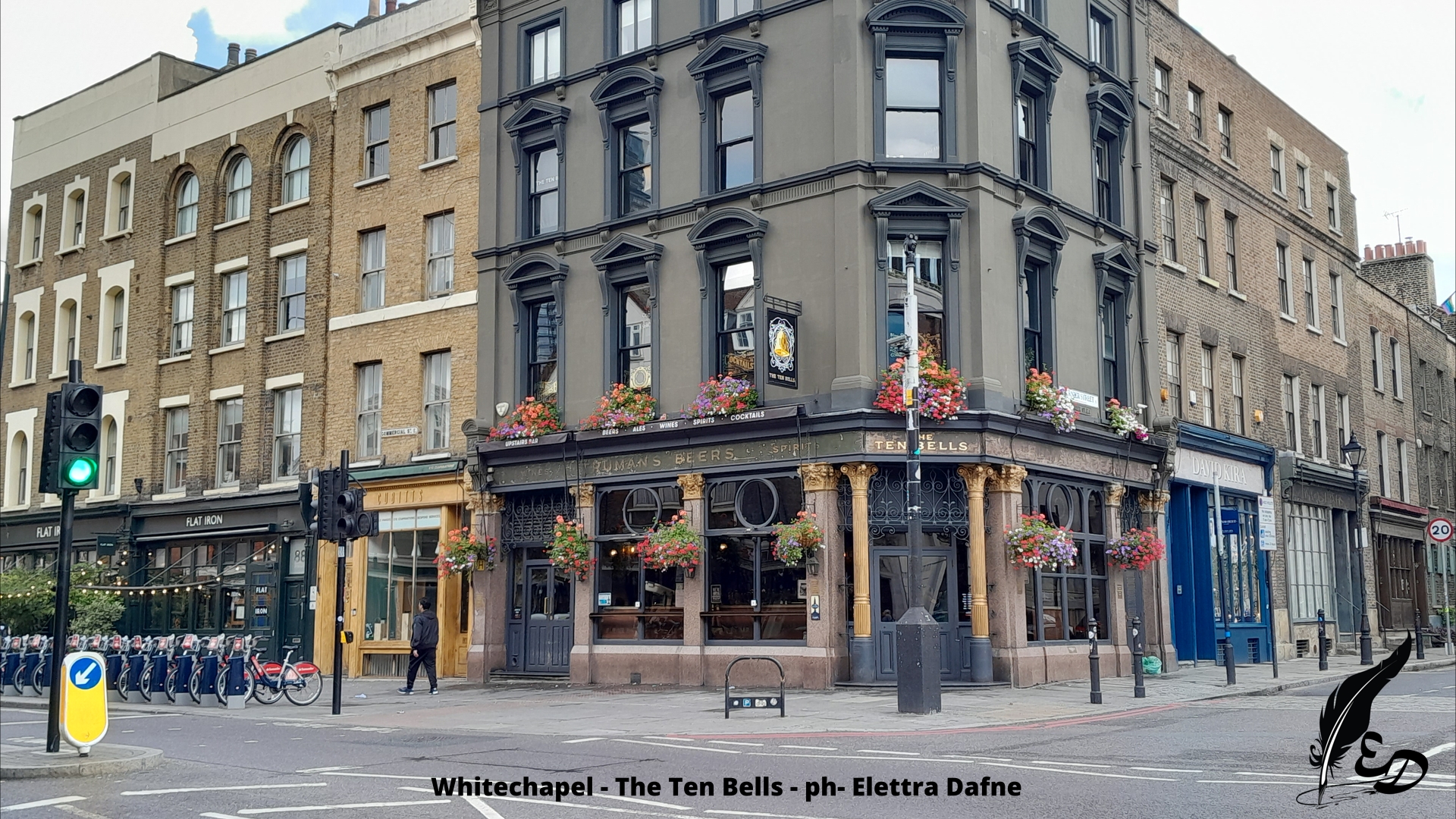
🎬🎞️🎥 There are many fictionalized reconstructions that cinema and television have created, above all I would like to point out the Whitechapel TV series, the first season consists of three episodes and is dedicated to the Ripper -. Produced by ITV in 2008 and filmed in London – with the exception of the reconstruction of the crime that took place in Miter Square – and set in the 2000s, the drama begins with a murder that introduces two of the main characters: detective Ray Miles and the new inspector Joseph Chandler. The latter, realizing that the Ripper’s crimes are being replicated and determined to follow his instincts, will ask for the collaboration of the official guide of the tour dedicated to him, Edward Buchan. A little personal advice: if you’re interested in the topic, watch the series, it’s really well done; the last story of the third season, among other things, also features references to the Bogeyman, to the 1927 film by Tod Browning – the extraordinary director of the aforementioned Freaks – and to Lon Channey. To return to the Ripper tours, however, there are several of them and something for all budgets. Some guides more some other less, as you proceed through the neighborhood they will tell you about the ghost of Cock Lane, about other legends, about the Ten Bells, the pub frequented, it seems, by two of the Ripper’s victims (it is located in Commercial Street on the corner of Fournier Street) and then he will take you to the pub dedicated to Sherlock Holmes located at number 10 Northumberland Street a stone’s throw from Trafalgar Square; a wonderful square where the National Gallery is located and where, speaking of another series, Sherlock, some scenes were filmed. But we will see it in the appropriate itinerary, walking through the pages of Fantastic Stories, Dickens, Melville, Doyle and the Strand.

Vi ricordo che quanto è descritto sopra e il relativo materiale fotografico è protetto da copyright; si tratta di contenuti e itinerari pubblicati all’interno dei miei libri o parte di programmi/puntate.